

Chicken Coop Ventilation: A Practical UK Guide
Short Answer
Chicken coops need continuous high-level ventilation to remove moisture, ammonia and heat without directing a cold draught across roosting birds. Use protected openings near the roof, keep them clear year-round and fix leaks or wet litter rather than sealing the coop tightly in winter.
Key Takeaways
- Prioritise dry shelter, ventilation, hygiene, security and enough usable space.
- UK rainfall, wind, drainage and predator pressure should shape the setup.
- Inspect the flock and housing daily for changes in health, behaviour or damage.
- Avoid dusty, damp, sharp, toxic or difficult-to-clean materials.
- Check current local rules and seek veterinary advice for illness or welfare concerns.
Quick Decision Checklist
| Check | What good looks like |
|---|---|
| Dryness | No persistent leaks, pooling water or damp bedding |
| Ventilation | Fresh air above bird level without a direct draught |
| Security | No gaps, weak latches or exposed digging edges |
| Hygiene | Surfaces and fittings can be inspected and cleaned |
| Flock behaviour | Birds can feed, drink, rest and move without crowding |
Why Ventilation Is So Important
Chickens produce a surprising amount of moisture. Every bird exhales water vapour with every breath, and droppings release both moisture and ammonia as they decompose. In a small, enclosed space with multiple birds, this adds up quickly.
Without adequate ventilation, that moisture has nowhere to go. It condenses on walls, bedding, and roosting bars. Damp bedding accelerates the production of ammonia gas, which irritates the mucous membranes of birds' airways and makes them far more susceptible to respiratory infections. Prolonged exposure to high ammonia levels can cause lasting damage to a bird's lungs and air sacs.
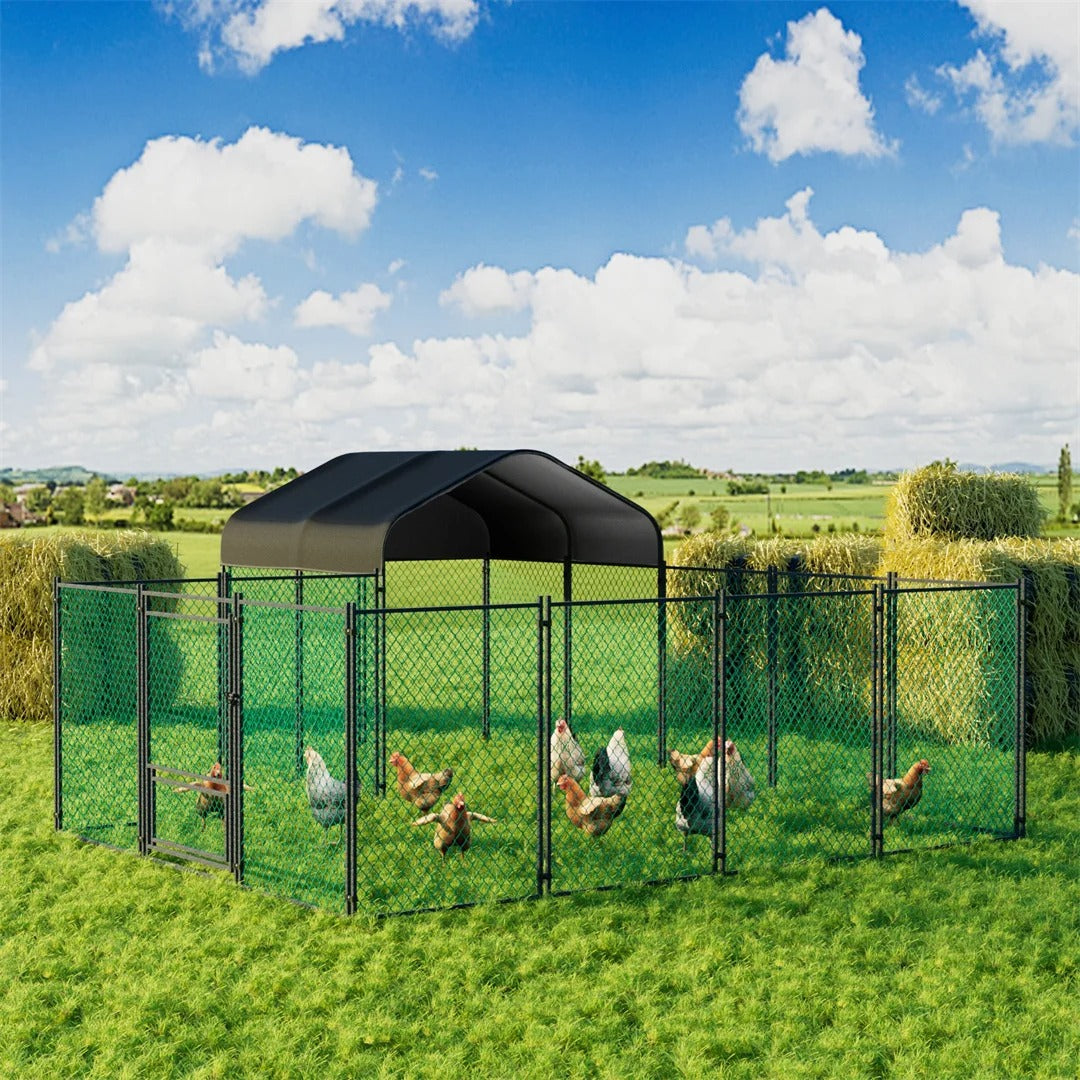
Moisture also creates ideal conditions for red mites, fungal growth, and the kind of persistent dampness that makes even a sturdy coop deteriorate quickly. In winter, when the temperature inside a poorly ventilated coop is warmer than outside, that moisture can actually cause frostbite on combs and wattles - not from the cold itself, but from the damp air.
Good ventilation removes this moisture-laden, ammonia-heavy air and replaces it with fresh air. It keeps the coop drier, reduces disease pressure, and makes the environment significantly more comfortable for your birds.
Ventilation vs. Drafts: Understanding the Difference
This is where a lot of keepers get confused, especially in winter. The instinct is to seal up the coop as tightly as possible to keep birds warm. But sealing a coop traps moisture and ammonia inside, which causes far more harm than cold air does.
The distinction to keep in mind is this: ventilation is air movement above the birds' head height, circulating through the upper part of the coop. A draft is cold air blowing directly onto roosting birds at their level. Ventilation is necessary all year round. Drafts at bird level should be avoided, particularly at night when birds are roosting.
Chickens are actually quite cold-hardy. Many common UK breeds - including Rhode Island Reds, Marans, and Wyandottes - handle cold temperatures well. What they struggle with is damp cold. A dry, well-ventilated coop at low temperatures is far healthier than a warm, damp, poorly ventilated one.
How Much Ventilation Does a Chicken Coop Need?
There is no single formula that works for every coop and every flock, but a commonly referenced starting point is at least 1 square foot of ventilation opening per 10 square feet of floor space. This is a minimum - many experienced keepers recommend more, particularly in humid climates or for larger, more densely stocked coops.
Factors that increase ventilation requirements include a larger flock in a given space, a location in a wet or low-lying area, breeds that are particularly susceptible to respiratory issues, and warmer summer months when heat stress becomes a risk alongside moisture build-up.
The key is not just the total area of openings, but where those openings are positioned. Ventilation openings should be placed high on the walls, ideally close to the roofline or in the roof itself. This positioning allows moisture-heavy warm air (which rises naturally) to escape, while preventing cold draughts from reaching birds roosting at a lower level.
Types of Ventilation Openings
Ridge vents and roof vents sit at the highest point of the coop and are among the most effective options. Hot, humid air rises and exits through these vents continuously, creating a natural convection effect. They are particularly useful in summer.
High wall vents are openings positioned near the top of the walls, often with adjustable covers or mesh. These are the most common form of ventilation in purpose-built UK coops. Positioning them on multiple walls rather than a single wall allows for cross-ventilation, which is more effective than a single vent.
Eaves vents are gaps built into the overhang of the roof. These are less common but work well when combined with other vent types, as they allow air to enter low without creating a direct draft on roosting birds below.
Pop holes and windows, while not their primary function, can supplement ventilation during warmer months when left partially open. They should not be relied on as the main ventilation source, particularly in winter when they will typically be closed overnight.
Seasonal Ventilation Management
Spring and Autumn
These transitional seasons are where the most active management is needed. Temperatures vary significantly, and damp weather is common across most of the UK. Keep upper vents open, and check bedding moisture levels more frequently. Spring in particular tends to bring the first red mite activity of the year - good ventilation and dry conditions make a meaningful difference to parasite pressure.
Summer
Heat stress is a real risk for chickens during warm UK summers, even with the relatively mild temperatures compared to other countries. Ensure all upper vents are fully open. If your coop has adjustable vents, open them to their maximum position. Shade and access to cool water are also important, but airflow through the coop is the foundation of keeping birds comfortable in summer. Our guide on what essential features a chicken coop should have covers summer coop setup in more detail.
Winter
Keep upper vents open even in cold weather - this is the point that surprises most new keepers. Closing vents in winter to retain warmth is a common mistake, and one that leads to damp, ammonia-heavy air and sick birds. The goal in winter is not a warm coop; it is a dry coop. As long as birds are out of direct draughts at roost height, they can handle significantly lower temperatures without issue.
If your current coop has limited ventilation, winter is a good time to assess whether modifications are needed before the following year.
Signs Your Coop Ventilation Is Inadequate
It helps to know what to look for. If you notice a strong ammonia smell when you open the coop door, that is a clear sign that airflow is insufficient. A persistent smell of damp or mould, condensation on the inside of the walls or roof, or wet bedding shortly after a fresh change are also indicators of a ventilation problem.
In terms of bird health, watch for persistent sneezing, rattling breathing sounds, watery eyes, or lethargy. These can have multiple causes, but inadequate ventilation is one of the more common contributing factors. If birds are regularly showing these signs, the coop environment is worth reviewing alongside any veterinary advice.
Red mite infestations can also indicate a damp, poorly ventilated environment. If you are dealing with recurring mite problems, check out our guide on dealing with red mites inside the coop for treatment and prevention advice.
Choosing a Coop with Good Ventilation Built In
One of the simplest ways to avoid ventilation problems is to start with a coop designed with adequate airflow from the outset. Retrofitting ventilation to a poorly designed coop is possible but more work than choosing a well-built structure in the first place.
When evaluating a coop, look for vents positioned high on the walls or in the roof, ideally with adjustable covers so you can manage airflow across seasons. A coop that is too small for your flock will always be harder to ventilate adequately, so it is worth sizing up if you are on the boundary between two sizes. You should also check that mesh on ventilation openings is secure enough to prevent predator access - ventilation and security need to work together.
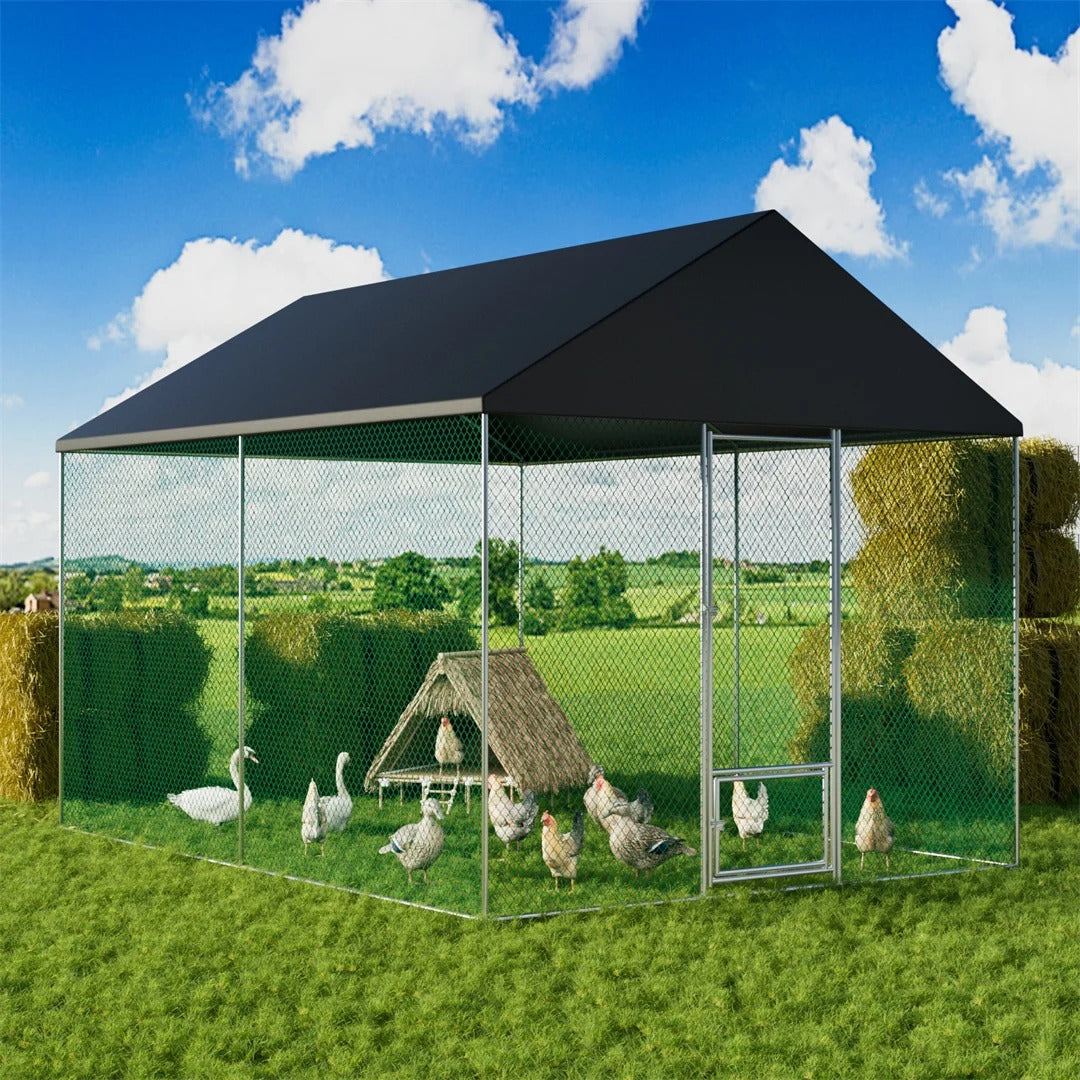
Our chicken coop range includes options designed with UK conditions in mind. The outdoor extra tall chicken coop pen for UK gardens and allotments offers good internal height and airflow, making it easier to maintain comfortable conditions year-round. For keepers with larger flocks, the large outdoor metal walk-in chicken coop with anti-UV cover provides a substantial, well-structured space for hens, ducks, or geese.
If you are still working out the setup that suits your garden and flock size, our guide on how to plan and build a chicken coop from scratch covers the planning considerations in detail.
Practical Tips for Improving Ventilation in an Existing Coop
If you already have a coop and suspect ventilation is not quite right, there are several practical steps worth trying before investing in a new structure.
Adding a simple mesh-covered vent near the roofline is often straightforward on wooden coops - a jigsaw and some hardware cloth can create an effective opening in an afternoon. Ensure the mesh is fine enough to exclude wild birds and insects as well as larger predators.
Adjustable vent covers are useful for managing airflow without having to physically block vents with rags or boards. They allow you to reduce airflow in particularly wet or windy conditions while maintaining some circulation.
Improving the run to keep it drier - by adding a roof or covering, improving drainage, or using sand as coop floor covering - also reduces the overall moisture load the coop has to deal with, which in turn reduces ventilation demand.
Final Thoughts
Chicken coop ventilation is one of those topics that seems technical at first but becomes second nature once you understand the basic principles. Fresh air above the birds, no direct draughts at roost height, and keeping the coop dry - those three things go a long way.
If you have questions about coop setup, ventilation, or which products would suit your space, the Paw Comfort team is happy to help. Get in touch with us here and we will do our best to point you in the right direction.
Final Verdict
Chicken coops need continuous high-level ventilation to remove moisture, ammonia and heat without directing a cold draught across roosting birds. Use protected openings near the roof, keep them clear year-round and fix leaks or wet litter rather than sealing the coop tightly in winter.
FAQ
Why Ventilation Is So Important?
Chickens produce a surprising amount of moisture. Every bird exhales water vapour with every breath, and droppings release both moisture and ammonia as they decompose. In a small, enclosed space with multiple birds, this adds up quickly.
What should you know about ventilation vs. drafts: understanding the difference?
This is where a lot of keepers get confused, especially in winter. The instinct is to seal up the coop as tightly as possible to keep birds warm. But sealing a coop traps moisture and ammonia inside, which causes far more harm than cold air does.
How Much Ventilation Does a Chicken Coop Need??
There is no single formula that works for every coop and every flock, but a commonly referenced starting point is at least 1 square foot of ventilation opening per 10 square feet of floor space. This is a minimum - many experienced keepers recommend more, particularly in humid climates or for larger, more densely stocked coops.
What should you know about types of ventilation openings?
Ridge vents and roof vents sit at the highest point of the coop and are among the most effective options. Hot, humid air rises and exits through these vents continuously, creating a natural convection effect. They are particularly useful in summer.
What should you know about practical tips for improving ventilation in an existing coop?
If you already have a coop and suspect ventilation is not quite right, there are several practical steps worth trying before investing in a new structure.
What should you know about final thoughts?
Chicken coop ventilation is one of those topics that seems technical at first but becomes second nature once you understand the basic principles. Fresh air above the birds, no direct draughts at roost height, and keeping the coop dry - those three things go a long way.