

Crate Training Mistakes First-Time Owners Make
Short Answer
First-time owners commonly progress too quickly, buy by breed label, use the crate only when leaving and mistake distress for disobedience. Better training is gradual, reward-based and built around the individual dog’s toilet, movement, rest and social needs.
Key Takeaways
- Use crates and kennels as welfare-led management tools, never as punishment.
- Fit, ventilation, temperature, mobility and the dog’s behaviour matter more than product labels.
- Reward voluntary use and reduce difficulty at the first sign of distress.
- Normal access to water, toileting, movement, exercise and social contact must continue.
- Panic, sudden behaviour change or physical discomfort warrants veterinary or qualified behaviour support.
Quick Decision Checklist
| Check | What to look for |
|---|---|
| Purpose | A clear welfare-led use rather than punishment or convenience |
| Fit and setup | Enough room, safe materials, ventilation and a stable location |
| Behaviour | Loose body language, voluntary approach and normal eating |
| Daily needs | Water, toileting, movement, rest and social contact remain available |
| Warning signs | Pain, panic, repeated escape attempts or sudden behaviour change |
Mistake 1: Skipping the Introduction Phase
This is where the majority of crate training difficulties begin. Many first-time owners set up the crate, put the puppy inside, close the door, and expect the dog to simply accept the situation. When the dog reacts with distress, the owner assumes the dog dislikes crates and either gives up or pushes through in a way that makes things worse.
The crate needs to be introduced as a gradual, positive experience before it is used as a containment tool. This means leaving the crate out with the door open, allowing the dog to investigate freely, placing treats and bedding inside, and rewarding any voluntary interaction with the crate. This phase might take a day, or it might take several days. The pace should be set by the dog's comfort level, not by the owner's timeline.
Closing the door for the first time should feel like a natural next step to the dog, not a sudden change. If a dog has been happily entering the crate to eat meals, find treats, or rest voluntarily, closing the door for a minute or two is a small extension of something already familiar. If the dog has never had positive voluntary experiences inside the crate, closing the door is a significant and frightening change.
The introduction phase cannot be compressed without cost. Time invested here pays back in a dog that settles quickly and confidently.
Mistake 2: Using the Crate as Punishment
This is one of the most damaging mistakes in crate training and one of the hardest to reverse once it has happened. When a dog chews something it should not, has an accident indoors, or engages in unwanted behaviour, sending it to the crate as a consequence directly links the crate to negative experiences in the dog's mind.
A crate should be a neutral to positive space at all times. If a dog associates the crate with being sent away after doing something wrong, they will resist it, feel anxious inside it, and the training process will stall or regress.
This does not mean dogs cannot be crated after misbehaviour. It means the crate should not be presented in that context. If you need to contain your dog after a difficult moment, do so calmly and without framing the crate as a consequence.
Mistake 3: Responding to Whining by Opening the Door
This is perhaps the most practically difficult mistake to avoid, because it feels unkind not to respond to a distressed dog. But opening the crate door in response to whining teaches the dog that making noise is what opens the door. Once a dog has learned this, breaking the pattern takes considerably more effort than establishing the right pattern from the beginning.
The appropriate response to whining depends on why the dog is whining. A young puppy that has been in the crate for long enough that a toilet trip is needed should be taken outside calmly and quietly, then returned to the crate. A dog whining because they want to be released and have recently been toileted is better waited out, with the door opened during a pause in the noise rather than at the peak of it.
This can feel uncomfortable in practice. It takes some judgement to distinguish genuine need from protest. But the principle is straightforward: the door should open because the owner chooses to open it, not because the dog has demanded it.
Our guide on managing a dog that cries persistently in the crate goes into this in more detail, including how to read the difference between distress and protest and what to do in each case.
Mistake 4: Using the Wrong Size Crate
Crate size is a practical matter that directly affects both toilet training and the dog's comfort, and it is more nuanced than many owners initially realise.
A crate that is too small means a dog cannot stand, turn around, or lie in a comfortable position. This causes physical discomfort and makes the dog unwilling to be in the crate at all.
A crate that is too large during the early stages of toilet training creates a different problem. Dogs have a natural instinct to avoid soiling the area they sleep in, and this instinct is what makes the crate useful for toilet training. However, if the crate is significantly larger than the dog needs, they may use one end as a sleeping area and the other as a toilet, bypassing this instinct entirely.
For puppies that will grow significantly, a crate with a divider panel is the practical solution. The divider allows the internal space to be set to the appropriate size for the puppy now, then expanded progressively as the dog grows. This avoids the cost of replacing crates as the puppy develops.
Mistake 5: Crating for Too Long
Puppies and dogs have physical and emotional limits to how long they can spend in a crate, and exceeding those limits reliably produces negative outcomes. Puppies in particular have limited bladder control and cannot be expected to hold for the same duration as adult dogs.
As a general reference point, very young puppies should not be crated for more than an hour or so at a time during the day, excluding overnight sleep periods. This increases gradually as the puppy matures and bladder capacity develops, but even adult dogs should not spend the majority of their waking hours confined to a crate.
Crating for excessive periods leads to dogs eliminating inside the crate out of necessity rather than choice. Once this happens repeatedly, the toilet training benefit of the crate is compromised because the dog has learned that soiling the crate is acceptable. Re-establishing the instinct against soiling their sleeping area becomes considerably harder once this pattern is set.
If your schedule means a dog would need to be crated for long periods during the day, it is worth considering whether a dog walker, doggy daycare, or a combination of crate and playpen might provide a more appropriate arrangement. A playpen attached to a crate allows a dog to move out of the sleeping area to eliminate on a pad if needed, which is a more humane solution than extended crating for dogs whose needs cannot be met in other ways.
Mistake 6: Making the Crate Uncomfortable
A dog that is physically uncomfortable in their crate will resist being in it. This seems obvious, but it is surprisingly common for owners to underinvest in the inside of the crate while focusing on the training process itself.
A bare wire floor is not comfortable for most dogs. Appropriate, washable bedding suited to the dog's size and chewing tendencies makes a significant difference to how willingly a dog settles. For puppies that chew, a flat mat-style bed that cannot easily be torn apart is a more practical starting choice than a plush bed, which may be destroyed quickly and could present an ingestion risk if shredded.
As the dog matures and destructive chewing reduces, more comfortable bedding options become appropriate. Our all-season dog bed with calming mat design and removable Oxford cover is a practical option for use inside a crate or as a standalone sleeping surface. The removable, washable cover makes cleaning after accidents straightforward, which is particularly important during the toilet training phase.
Beyond bedding, placing an item of clothing with the owner's scent inside the crate can help puppies feel less alone. Some dogs settle more easily with a safe chew or stuffed food toy to occupy them when the door is first closed. These small additions to the crate environment contribute meaningfully to how quickly a dog accepts and relaxes in the space.
Mistake 7: Inconsistency Across the Household
Crate training depends on consistent responses from everyone who interacts with the dog. If one person holds firm on the rule of not opening the crate in response to whining, but another person opens it every time the dog makes noise, the dog receives mixed messages that significantly slow progress.
This is one of the most commonly overlooked causes of prolonged crate training difficulty. It does not require deliberate inconsistency to cause problems. A single household member who feels too guilty to listen to a puppy cry, or who lets the dog out of the crate for an extra cuddle when the house is quiet, can undermine days of careful training.
Having an explicit household conversation about the approach before training begins is worth the time. Everyone who interacts with the dog should understand the same rules: when the crate is opened, how to respond to whining, and how long sessions should last at each stage of the process.
Mistake 8: Abandoning the Process Too Early
Crate training is genuinely difficult in the first week or two, and many owners reach a point where they consider giving up. The dog is whining, no one is sleeping well, and it feels like the crate is making things worse rather than better.
In most cases, this moment comes just before progress begins. The first week of crate training is typically the hardest, and dogs that seem to be making no progress often settle into a much more positive relationship with the crate within the following week if the approach remains consistent.
The answer when crate training is not going well is almost always to go back a step rather than to abandon the process. If a dog is distressed when the door is closed, return to open-door practice and build up more slowly. If a dog is eliminating in the crate, the crate may be too large or sessions may be too long. These are fixable problems, and most dogs that seem resistant to crate training respond well to a more gradual approach.
For dogs that have had genuinely difficult or traumatic experiences with crates before, or for older dogs being introduced to a crate for the first time, the process simply takes longer. Our guide on introducing an older dog to a crate with care and patience covers the specific considerations that apply when working with adult dogs rather than puppies.
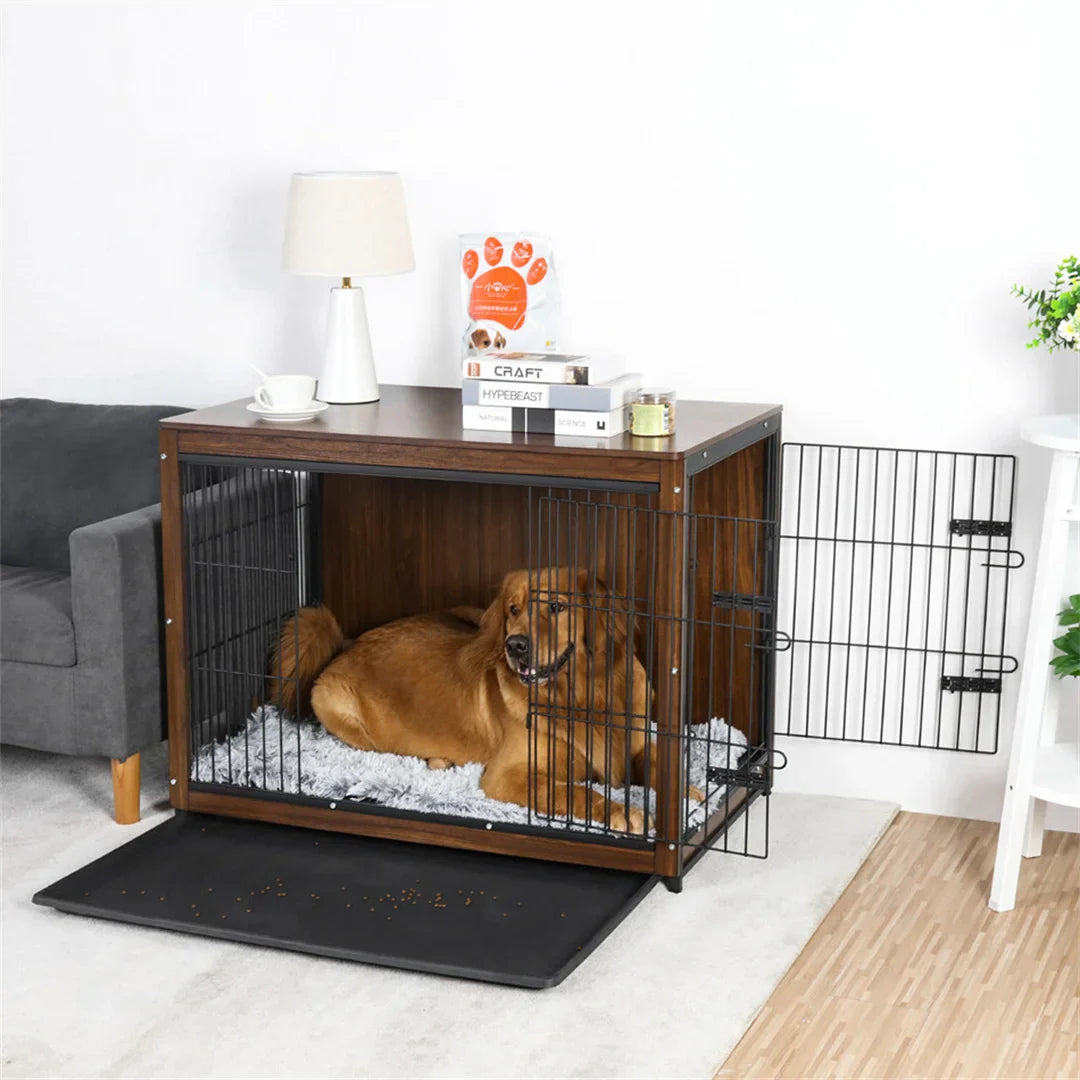
Mistake 9: Neglecting to Make the Crate a Positive Long-Term Space
Crate training is not a phase to get through and then forget about. A dog that has been successfully crate trained has a resource they can use throughout their life - a safe, settled space that is reliably available to them during travel, veterinary stays, or simply when the household is busy and they want to rest undisturbed.
Maintaining positive associations with the crate after training is complete means continuing to leave it accessible, occasionally rewarding voluntary use, and never allowing it to become associated with punishment or isolation.
For owners building a crate training setup, pairing a quality crate with appropriate accessories - from comfortable bedding to suitable chews - makes the process more manageable. Our article on accessories that make crate time more comfortable and effective covers the practical additions worth considering alongside the crate itself.
Final Verdict
First-time owners commonly progress too quickly, buy by breed label, use the crate only when leaving and mistake distress for disobedience. Better training is gradual, reward-based and built around the individual dog’s toilet, movement, rest and social needs.
FAQ
What should you know about mistake 1: skipping the introduction phase?
This is where the majority of crate training difficulties begin. Many first-time owners set up the crate, put the puppy inside, close the door, and expect the dog to simply accept the situation. When the dog reacts with distress, the owner assumes the dog dislikes crates and either gives up or pushes through in a way that makes things worse.
What should you know about mistake 2: using the crate as punishment?
This is one of the most damaging mistakes in crate training and one of the hardest to reverse once it has happened. When a dog chews something it should not, has an accident indoors, or engages in unwanted behaviour, sending it to the crate as a consequence directly links the crate to negative experiences in the dog's mind.
What should you know about mistake 3: responding to whining by opening the door?
This is perhaps the most practically difficult mistake to avoid, because it feels unkind not to respond to a distressed dog. But opening the crate door in response to whining teaches the dog that making noise is what opens the door. Once a dog has learned this, breaking the pattern takes considerably more effort than establishing the right pattern from the…
What should you know about mistake 4: using the wrong size crate?
Crate size is a practical matter that directly affects both toilet training and the dog's comfort, and it is more nuanced than many owners initially realise.
What should you know about mistake 5: crating for too long?
Puppies and dogs have physical and emotional limits to how long they can spend in a crate, and exceeding those limits reliably produces negative outcomes. Puppies in particular have limited bladder control and cannot be expected to hold for the same duration as adult dogs.
What should you know about mistake 6: making the crate uncomfortable?
A dog that is physically uncomfortable in their crate will resist being in it. This seems obvious, but it is surprisingly common for owners to underinvest in the inside of the crate while focusing on the training process itself.