

UK Dog Car Safety Laws: Highway Code Rule 57
Short Answer
UK Highway Code Rule 57 says dogs and other animals should be suitably restrained in vehicles so they cannot distract the driver or injure themselves or others during sudden stopping. A seat-belt harness, carrier, dog cage or dog guard may be used, but suitability and correct installation matter.
Key Takeaways
- Highway Code Rule 57 says dogs should be suitably restrained in vehicles.
- Check product, vehicle, dog-size and installation compatibility before travel.
- Introduce equipment and vehicle movement gradually using reward-based training.
- Plan ventilation, water, toilet breaks and safe entry and exit.
- Never leave a dog unattended in a vehicle.
Quick Decision Checklist
| Check | Before travel |
|---|---|
| Restraint | Correctly fitted and installed according to its instructions |
| Fit | Suitable for the dog’s current measurements and weight |
| Driver safety | The dog cannot reach or distract the driver |
| Comfort | Ventilation, temperature, water and breaks are planned |
| Training | The dog has been introduced gradually and remains relaxed |
The Law: What the Highway Code Says
According to Rule 57 of the Highway Code, drivers must “make sure dogs or other animals are suitably restrained so they cannot distract you while you are driving or injure you, or themselves, if you stop quickly.” This means that dogs should not roam freely in the car. While the Highway Code itself is not a law, ignoring it can still result in legal consequences. If a police officer sees your dog climbing around or sitting on your lap, you could be charged with driving without proper control, which comes with fines up to £1,000 and three penalty points. In more serious cases, it could even lead to dangerous driving charges.
Why Proper Restraint is Essential
The laws are in place for good reason. An unrestrained dog is not just a distraction—it’s a serious hazard. In a collision, even at low speeds, your dog could be thrown forward with enough force to injure themselves and passengers. Beyond accidents, dogs that are allowed to move freely can block your view, interfere with controls, or cause sudden distractions that put everyone at risk.
Acceptable Restraint Options in the UK
The Highway Code does not specify one single method, but it does mention a few accepted solutions:
-
Seat belts or harnesses: Specially designed dog seat belts attach to your car’s seat belt system, keeping your pet secure.
-
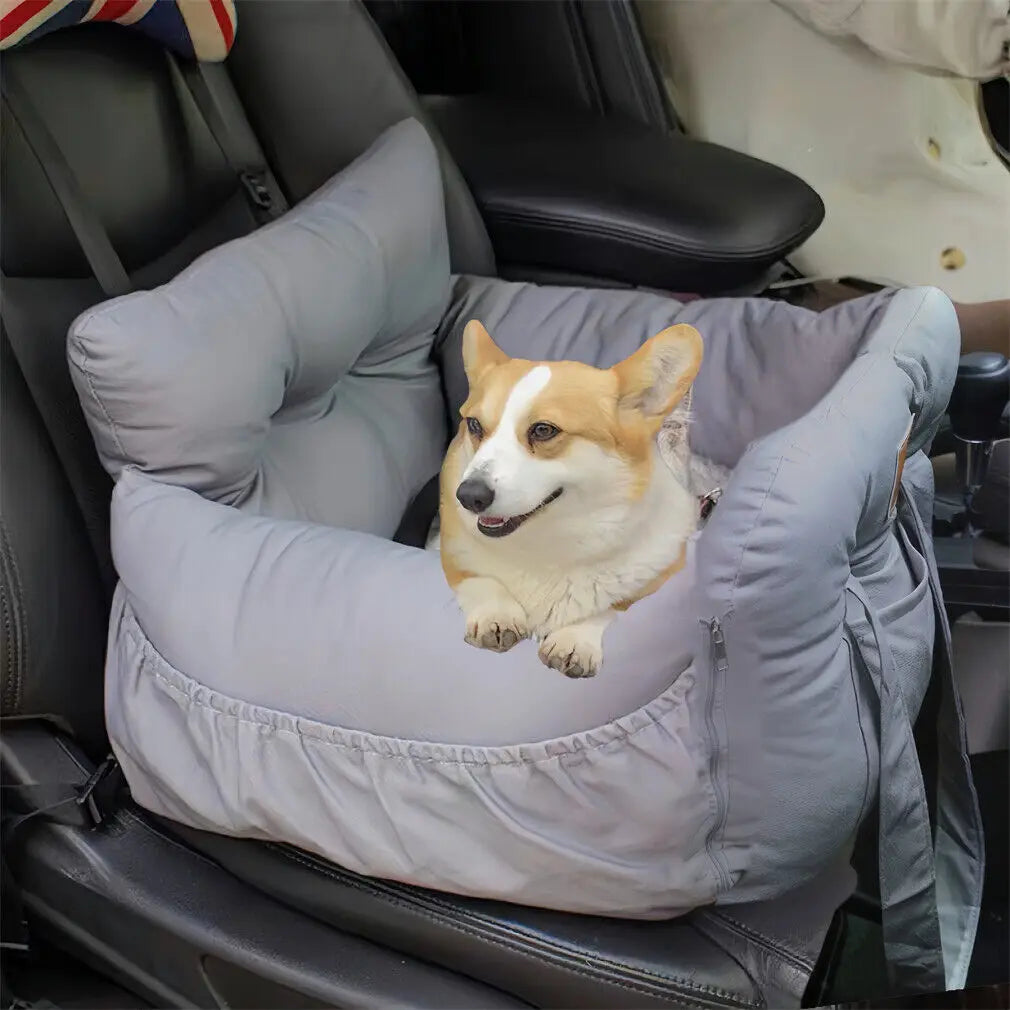
Dog car seats: These act like cushioned boosters, often with built-in harnesses, so your dog can sit comfortably while restrained.
-
Crates: A sturdy travel crate in the boot or back seat is one of the safest ways to travel, especially for larger dogs.
-
Dog guards: These prevent dogs from moving from the boot into the passenger area, but must still be paired with proper bedding or restraint.
For most UK owners, car seats and crates strike the right balance between safety and comfort.
Insurance and Legal Implications
Many pet owners don’t realise that failing to restrain your dog properly could invalidate your insurance. If you have an accident and your insurer finds that your dog was not safely secured, they could refuse to pay out. Additionally, if your unrestrained dog causes an accident, you may be held liable for damages. In short: it’s not just about avoiding fines—it’s about protecting yourself financially as well as keeping your dog safe.
Practical Tips for UK Dog Owners

-
Start Early: Get your puppy used to travelling in a car seat or crate from a young age. This reduces anxiety later on.
-
Check Fit and Size: A poorly fitted seat or harness is almost as bad as none at all. Make sure it suits your dog’s size and weight.
-
Never Let Dogs Ride in the Front Seat: Airbags can cause serious injuries to dogs, even in minor accidents.
-
Take Breaks: On long journeys, stop regularly for toilet breaks, water, and a stretch.
-
Avoid Leaving Dogs in Cars: Even in mild weather, UK cars can heat up quickly. Always take your dog with you.
-
Make It Comfortable: A stressed or uncomfortable dog is more likely to move around. Cushioned seats or beds make journeys easier for everyone.
Popular Dog Car Seat Options
-
The view this 2-in-1 convertible pet stroller, dog car seat option in more detail is perfect for owners who love versatility. It works as a secure car seat and converts into a stroller, making it brilliant for trips where you’ll be walking around once you arrive. It’s especially useful in urban UK areas where you might combine driving and strolling.
-
The Waterproof Car Seat Bed for Dogs combines restraint with comfort. It has a built-in safety belt, removable cover, and waterproof design—ideal for muddy UK walks or beach trips. Available in multiple sizes, it’s a great choice for both small and medium breeds.
For a wider range of options, check out our dog car seat collection.
UK-Specific Considerations
-
City Driving: In places like London or Manchester, sudden stops are common due to heavy traffic. A well-fitted car seat prevents your dog from being thrown forward in these situations.
-
Countryside Roads: In rural areas, winding lanes and uneven terrain can be challenging. A sturdy car crate or cushioned bed keeps your dog stable.
-
Weather: With the UK’s wet climate, waterproof materials are a must. Look for seats and beds with removable covers that can be washed easily after muddy adventures.
-
Multi-Dog Households: If you have more than one dog, consider separate restraints or larger crates. Dogs sharing a space without dividers can jostle each other, which is unsafe.
Mistakes to Avoid
-
Letting Dogs Stick Their Head Out of the Window: While it looks fun, it’s dangerous. Flying debris can injure their eyes or face.
-
Using Regular Collars for Restraint: Always use harnesses designed for car travel—collars can cause neck injuries in sudden stops.
-
Placing Dogs in the Front Seat: As mentioned earlier, airbags can be fatal for pets. Always keep them in the back.
-
Ignoring Training: Don’t wait for a long journey to test out a car seat. Start with short drives to get your dog comfortable.
Final Thoughts
Dog car safety isn’t just about following the rules—it’s about protecting your best friend. In the UK, laws require that dogs are suitably restrained, but beyond legality, it’s common sense. A secure dog is a safe dog, and it also keeps everyone else in the car safer too. The good news is, there are plenty of practical, comfortable solutions available, from car seats and beds to multi-functional travel products.
Final Verdict
UK Highway Code Rule 57 says dogs and other animals should be suitably restrained in vehicles so they cannot distract the driver or injure themselves or others during sudden stopping. A seat-belt harness, carrier, dog cage or dog guard may be used, but suitability and correct installation matter.
FAQ
What should you know about the law: what the highway code says?
According to Rule 57 of the Highway Code , drivers must “make sure dogs or other animals are suitably restrained so they cannot distract you while you are driving or injure you, or themselves, if you stop quickly.” This means that dogs should not roam freely in the car. While the Highway Code itself is not a law, ignoring it can still result in legal…
Why Proper Restraint is Essential?
The laws are in place for good reason. An unrestrained dog is not just a distraction—it’s a serious hazard. In a collision, even at low speeds, your dog could be thrown forward with enough force to injure themselves and passengers. Beyond accidents, dogs that are allowed to move freely can block your view, interfere with controls, or cause sudden…
What should you know about acceptable restraint options in the uk?
The Highway Code does not specify one single method, but it does mention a few accepted solutions:
What should you know about insurance and legal implications?
Many pet owners don’t realise that failing to restrain your dog properly could invalidate your insurance . If you have an accident and your insurer finds that your dog was not safely secured, they could refuse to pay out. Additionally, if your unrestrained dog causes an accident, you may be held liable for damages. In short: it’s not just about avoiding…
What should you know about mistakes to avoid letting dogs stick their head out of the window : while it looks fun, it’s dangerous. flying debris can injure their eyes or face. using regular collars for restraint : always use harnesses designed for car travel—collars can cause neck injuries in sudden stops. placing dogs in the front seat : as mentioned earlier, airbags can be fatal for pets. always keep them in the back. ignoring training : don’t wait for a long journey to test out a car seat. start with short drives to get your dog comfortable. final thoughts?
Dog car safety isn’t just about following the rules—it’s about protecting your best friend. In the UK, laws require that dogs are suitably restrained, but beyond legality, it’s common sense. A secure dog is a safe dog, and it also keeps everyone else in the car safer too. The good news is, there are plenty of practical, comfortable solutions available,…
How should a dog be restrained in a car?
Use a correctly fitted and installed restraint suitable for the dog, the vehicle and the manufacturer’s instructions.