

Practical Indoor Uses for Pet Strollers
Short Answer
Indoors, a pet stroller can provide controlled transport through large venues, temporary mobility support or a familiar resting platform where permitted. It should not be used to isolate an animal or replace accessible flooring, suitable beds and normal movement.
Key Takeaways
- Choose from the dog’s measurements, weight, mobility and the routes you use.
- A pram should supplement appropriate walking, sniffing and activity unless a vet advises otherwise.
- Check brakes, stability, ventilation, harness attachment points and heat.
- Introduce the pram gradually while stationary before moving.
- Unexplained pain, fatigue or mobility loss needs veterinary assessment.
Quick Decision Checklist
| Check | What to look for |
|---|---|
| Purpose | A clear welfare-led use rather than punishment or convenience |
| Fit and setup | Enough room, safe materials, ventilation and a stable location |
| Behaviour | Loose body language, voluntary approach and normal eating |
| Daily needs | Water, toileting, movement, rest and social contact remain available |
| Warning signs | Pain, panic, repeated escape attempts or sudden behaviour change |
1. Indoor Training and Gradual Introduction
Perhaps the most important indoor use for a pet stroller is the initial training period. Before your dog or cat ever sets a paw outside in their new wheels, they need to become comfortable with the stroller itself - and your home is the perfect training ground.
Think about it from your pet's perspective. A stroller is large, unfamiliar, and makes strange noises when it moves. Rushing straight to outdoor use can overwhelm even confident pets, leading to stress, resistance, or outright refusal to use the stroller when you genuinely need it.
The indoor training approach works because your home offers a controlled, low-distraction environment. Start by simply placing the stroller in your living room with the wheels locked. Let your pet investigate at their own pace. Scatter a few treats near it, then inside it. No pressure, no forcing - just curiosity and positive associations.
Once your pet seems comfortable with the stationary stroller, you can begin short indoor "journeys" around your home. Roll them from the living room to the kitchen. Take a slow lap around the dining table. These brief trips help your pet adjust to the movement and sensation without the added stimulation of outdoor sights, sounds, and smells.
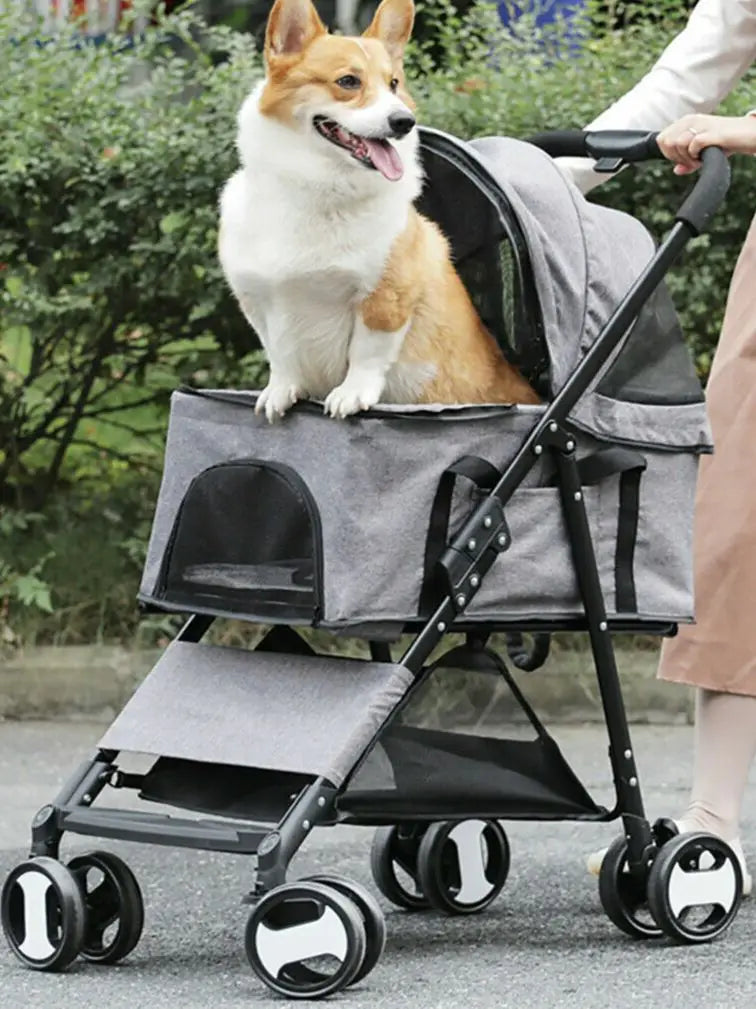
For cats especially, this gradual introduction is essential. Many felines are naturally wary of confinement, and a patient indoor training process can mean the difference between a cat who happily rides in their stroller and one who views it as a mobile prison. Our large 4-wheel pet carrier provides excellent visibility through mesh windows, which helps reduce anxiety during indoor training sessions.
The same patient approach applies when you're teaching your dog positive associations with their crate - both require building trust and comfort gradually, never through force.
2. Post-Surgery Recovery and Medical Needs
When your pet is recovering from surgery or managing a medical condition, indoor mobility becomes a genuine concern. They need to move between rooms to stay connected with family activities, but they also need to limit physical exertion. This is where a pet stroller becomes an invaluable recovery tool.
Veterinarians often recommend strict rest periods following procedures like orthopaedic surgery, spinal operations, or even certain dental work. The challenge? Dogs and cats don't understand why they suddenly can't follow you around the house. They'll try to jump, run, or navigate stairs - actions that could compromise their healing.
A pet stroller solves this dilemma beautifully. You can wheel your recovering pet from bedroom to kitchen to living room, allowing them to remain part of household activities without putting strain on surgical sites or injured areas. This isn't just about physical recovery - it's about mental wellbeing too. Isolated pets often become depressed or anxious during recovery periods, which can actually slow the healing process.
The indoor stroller setup works particularly well because you can position your pet at optimal heights for interaction. Roll them up to the sofa so they're at eye level with the family. Park them near a window so they can watch birds and enjoy natural light. Move them to the kitchen during meal preparation so they don't feel excluded.
For pets with back or disc issues, the smooth floors of your home are ideal for gentle stroller movement. Unlike outdoor terrain with bumps and uneven surfaces, indoor floors provide the controlled, smooth transport that's often recommended during critical healing phases.
Consider our double pet stroller with zipper divider, which is particularly useful if you have two pets recovering simultaneously or want to keep a healthy pet company with a recuperating one.
3. Multi-Room Accessibility for Senior Pets
Older pets face their own set of mobility challenges, even without surgery or injury. Arthritis, hip dysplasia, general weakness, and fatigue make it difficult for senior dogs and cats to navigate multi-level homes or even move between rooms on a single floor.
Yet these are often the pets who most want to stay close to their humans. They've spent years as your shadow, and suddenly being unable to follow you around the house can be genuinely distressing for them. An indoor pet stroller provides the perfect solution - your senior companion can remain your constant presence without pain or exhaustion.
Morning coffee in the conservatory? Roll your elderly dog along. Working from your home office for a few hours? Park your senior cat's stroller beside your desk. Cooking dinner in the kitchen? Your ageing pet can supervise from the comfort of their wheeled bed.
The beauty of using a stroller indoors for senior pets is that it preserves their quality of life without forcing you to physically carry them multiple times daily. Lifting a large, older dog repeatedly can strain your back, and many senior pets become uncomfortable being carried due to joint pain. A stroller eliminates these issues entirely.
Many of our customers report that their senior pets actually seek out their strollers, treating them as a combination of bed and transport. The enclosed, cushioned space provides security and comfort, whilst the mobility keeps them engaged with household life. Some pets even choose to nap in their strollers during the day, appreciating the cosy den-like atmosphere.
4. Creating a Safe Space During Household Activities
Have you ever tried to vacuum, mop, or do DIY work whilst worrying about your small pet getting underfoot? Indoor pet strollers provide a practical solution for keeping your companion safe during household activities that could pose risks.
Small dogs and cats can easily be stepped on or startled by vacuum cleaners, which can lead to unnecessary injuries. When you're moving furniture, painting a room, or having tradespeople in your home, a pet stroller becomes a mobile safe haven. Your pet remains part of the household activity - they can see what's happening and feel included - but they're protected from potential hazards.
This application extends to hosting situations as well. If you're having guests over and your pet becomes overwhelmed by the commotion, you can wheel them to a quieter room where they feel secure but not completely isolated. The stroller's mesh panels allow them to observe without being directly in the thick of things, which many anxious pets find reassuring.
The portability factor is key here. Unlike abrowse dog crate options for everyday UK use that stays in one location, a stroller moves with you as you transition between tasks or rooms. Your pet doesn't have to choose between safety and your company - they get both.
5. Introducing New Pets to Your Household
Introducing a new pet to an existing household can be stressful for all animals involved. Indoor pet strollers can facilitate this process by allowing controlled, visual introductions without direct physical contact.
Place your new arrival in the stroller and slowly wheel them through your home, allowing resident pets to observe and sniff through the mesh panels. This creates a barrier that prevents aggressive interactions whilst still permitting the vital scent exchange and visual familiarisation that pets need to accept each other.
You can gradually decrease the distance between the stroller and your existing pets over several days or weeks, monitoring body language and stress levels. This controlled approach often leads to smoother, less confrontational introductions than simply letting animals meet face-to-face immediately.
The technique works particularly well for cats, who typically require longer adjustment periods to new feline housemates. A cat in a stroller can be moved through the house at different times of day, establishing their presence without triggering territorial responses.
6. Temperature-Controlled Practice for Weather-Sensitive Breeds
Certain dog breeds - brachycephalic types like Bulldogs, Pugs, and French Bulldogs - are extremely sensitive to temperature fluctuations. They can overheat quickly in warm conditions and suffer in very cold weather. If you're planning to use an outdoor stroller with these breeds, indoor practice in your climate-controlled home is essential preparation.
Your indoor environment allows these sensitive breeds to adjust to the stroller experience without the added stress of temperature management. You can work on building their comfort and confidence knowing that they're not simultaneously struggling with breathing difficulties caused by heat or cold.
This indoor practice period also helps you identify any issues with the stroller setup - perhaps the bedding needs adjustment, the harness attachment requires modification, or your pet needs a different entry angle - all discoveries better made at home than on a hot pavement or during a chilly winter walk.
7. Mobility Solution for Multi-Storey Homes
Stairs present a significant challenge for injured, recovering, or elderly pets. If your home has multiple levels, indoor stroller use can be a practical mobility solution - though you'll need to evaluate your specific situation carefully.
For homes with lifts or space to store a stroller on each floor, you can use separate strollers for different levels, transferring your pet between them. Alternatively, if you have sufficient space, some pet owners find they can navigate wide, gentle staircases with lightweight strollers, though this requires good balance and upper body strength. We generally recommend keeping pets on a single floor during recovery periods when possible, with the stroller providing mobility within that level.
The more practical indoor stair application involves keeping your pet in their stroller on the main living floor whilst they recover or age, preventing them from attempting stairs they're no longer capable of safely navigating. This containment protects them from falls and injuries.
8. Window Watching and Environmental Enrichment
Don't underestimate the value of simply parking your pet's stroller near windows. Dogs and cats are naturally curious, and watching outdoor activity provides valuable mental stimulation - especially for pets with limited physical mobility.
Position the stroller where your pet can observe birds at feeders, watch neighbours walking past, or simply enjoy changing light and weather patterns. This passive enrichment helps prevent boredom and depression, common issues for pets with restricted movement. The elevated height of many strollers actually provides a better viewing angle than floor level, which pets particularly appreciate.
You can move the stroller throughout the day to follow sunlight patches or prime viewing locations, creating a changing environment that keeps your pet engaged. Some customers report their pets have developed daily "window watching routines" in their strollers, eagerly anticipating their favourite times and views.

Choosing the Right Stroller for Indoor Use
Not all pet strollers are equally suited for indoor use. When selecting a stroller you'll primarily use indoors, consider these factors:
Manoeuvrability: Look for models with swivel wheels that can navigate tight corners and doorways. Our one-click folding stroller with shock absorbers offers excellent indoor manoeuvrability.
Size: Measure your doorways and hallways. The stroller needs to move freely through your home without constant repositioning. This is similar to choosing the right size dog crate - proper sizing makes all the difference in usability and comfort.
Noise Level: Hard plastic wheels can be noisy on indoor flooring. Rubber or foam wheels provide quieter operation, which is less likely to disturb household activities or startle nervous pets.
Storage: If you'll be folding and storing the stroller frequently, quick-fold mechanisms are essential. Look for compact folded dimensions that fit in your storage spaces.
Cleanability: Indoor use means the stroller stays cleaner longer, but you'll still want washable fabrics and easily wipeable frames for those inevitable accidents or muddy paw incidents.
Practical Indoor Stroller Tips
To get the most from your pet stroller's indoor applications, keep these practical tips in mind:
Create Dedicated Parking Spots: Establish specific locations where the stroller "lives" in different rooms. This helps pets know where to find their mobile haven and prevents the stroller from becoming a household obstacle.
Maintain the Wheels: Indoor use is easier on stroller wheels than outdoor terrain, but you should still periodically check for debris, hair buildup, and proper wheel function. Clean wheels also protect your floors from scratches.
Add Comfort Layers: Since indoor stroller time may be extended, ensure your pet has adequate cushioning. Consider using one of our orthopedic dog beds trimmed to fit the stroller base for maximum comfort during long indoor sessions.
Keep Safety Tethers Accessible: Even indoors, use the internal safety tether to prevent your pet from jumping out unexpectedly. Pets can be startled by doorbells, dropped items, or sudden noises.
Position Thoughtfully: When parking the stroller indoors, consider traffic patterns. Avoid blocking doorways or positioning the stroller where someone might trip over it. Remember that pets in strollers are at an awkward height - not quite floor level, not quite table level - so be mindful of their position relative to swinging doors or moving furniture.
Managing Indoor Transport Alongside Vehicle Travel
Once your pet becomes comfortable with indoor stroller use, you may find yourself wanting to extend their mobility to vehicle transport as well. Many pet parents discover that combining indoor stroller training with proper vehicle safety creates a seamless mobility solution for pets who need consistent support.
The transition from indoor stroller use to vehicle transport requires planning, particularly if you also need to accommodate other items. Understanding how to fit both your dog and their mobility aids in your car can make the difference between stressful journeys and smooth transitions from home to vet visits or outdoor adventures.
When Indoor Stroller Use Becomes Routine
After several weeks of indoor stroller use, you may notice your pet has developed their own relationship with their wheeled companion. Some pets voluntarily climb into their strollers when they want to move rooms or simply fancy a change of scenery. Others learn to "request" stroller time by positioning themselves near it and making expectant eye contact.
This normalisation of the stroller is precisely the goal. When a pet views their stroller as a comfortable, positive space rather than a restraint, you've succeeded in creating a genuine quality-of-life tool rather than just transport equipment.
As your pet becomes comfortable with indoor stroller use, you might consider exploring how dog car seats and strollers can work together for seamless transitions from home to vehicle, particularly helpful for pets who need consistent support across different environments.
Final Thoughts: More Than Just Wheels
Pet strollers are often purchased for specific outdoor purposes - park visits, travel, or vet appointments. But their indoor applications can prove equally valuable, particularly for pets facing mobility challenges, recovery periods, or simply advancing age.
By thinking creatively about indoor stroller use, you're giving your pet the gift of continued participation in household life regardless of physical limitations. That elderly dog who can no longer climb stairs can still join you upstairs for evening telly. That post-surgery cat can maintain social contact without compromising their healing. That anxious small breed can observe household activities from a safe, elevated perch.
The indoor applications we've discussed aren't just creative uses - they're practical solutions to real challenges that UK pet parents face daily. And in many cases, these indoor uses become just as important as the outdoor adventures that originally prompted the stroller purchase.
Whether you're already a pet stroller owner looking to maximise its utility or considering a purchase and wanting to justify the investment, remember that a quality pet stroller from Paw Comfort serves your companion both outdoors and in - wherever life (and their paws) may take them.
Final Verdict
Indoors, a pet stroller can provide controlled transport through large venues, temporary mobility support or a familiar resting platform where permitted. It should not be used to isolate an animal or replace accessible flooring, suitable beds and normal movement.
FAQ
What should you know about 1. indoor training and gradual introduction?
Perhaps the most important indoor use for a pet stroller is the initial training period. Before your dog or cat ever sets a paw outside in their new wheels, they need to become comfortable with the stroller itself - and your home is the perfect training ground.
What should you know about 2. post-surgery recovery and medical needs?
When your pet is recovering from surgery or managing a medical condition, indoor mobility becomes a genuine concern. They need to move between rooms to stay connected with family activities, but they also need to limit physical exertion. This is where a pet stroller becomes an invaluable recovery tool.
What should you know about 3. multi-room accessibility for senior pets?
Older pets face their own set of mobility challenges, even without surgery or injury. Arthritis, hip dysplasia, general weakness, and fatigue make it difficult for senior dogs and cats to navigate multi-level homes or even move between rooms on a single floor.
What should you know about 4. creating a safe space during household activities?
Have you ever tried to vacuum, mop, or do DIY work whilst worrying about your small pet getting underfoot? Indoor pet strollers provide a practical solution for keeping your companion safe during household activities that could pose risks.
What should you know about 5. introducing new pets to your household?
Introducing a new pet to an existing household can be stressful for all animals involved. Indoor pet strollers can facilitate this process by allowing controlled, visual introductions without direct physical contact.
What should you know about 6. temperature-controlled practice for weather-sensitive breeds?
Certain dog breeds - brachycephalic types like Bulldogs, Pugs, and French Bulldogs - are extremely sensitive to temperature fluctuations. They can overheat quickly in warm conditions and suffer in very cold weather. If you're planning to use an outdoor stroller with these breeds, indoor practice in your climate-controlled home is essential preparation.