

Night-Time Crate Training: A Calm UK Guide
Short Answer
For calmer night-time crate training, meet toilet and comfort needs, keep the crate near enough to monitor a new puppy, reward voluntary settling and increase distance gradually. Do not ignore prolonged distress or expect a young puppy to sleep through without toilet breaks.
Key Takeaways
- Use crates and kennels as welfare-led management tools, never as punishment.
- Fit, ventilation, temperature, mobility and the dog’s behaviour matter more than product labels.
- Reward voluntary use and reduce difficulty at the first sign of distress.
- Normal access to water, toileting, movement, exercise and social contact must continue.
- Panic, sudden behaviour change or physical discomfort warrants veterinary or qualified behaviour support.
Quick Decision Checklist
| Check | What to look for |
|---|---|
| Purpose | A clear welfare-led use rather than punishment or convenience |
| Fit and setup | Enough room, safe materials, ventilation and a stable location |
| Behaviour | Loose body language, voluntary approach and normal eating |
| Daily needs | Water, toileting, movement, rest and social contact remain available |
| Warning signs | Pain, panic, repeated escape attempts or sudden behaviour change |

Bringing a new puppy home or crate training your dog can be exciting — but nighttime can often be the hardest part. Many UK pet owners find that their dog sleeps soundly during the day but becomes restless, whiny, or anxious as soon as the lights go out. Don’t worry — this is completely normal! With the right approach, you can help your dog feel safe, comfortable, and calm through the night. In this guide, we’ll walk you through practical, dog-friendly tips for successful nighttime crate training, ensuring peaceful sleep for both you and your furry companion.
Why Nighttime Crate Training Matters
Nighttime crate training helps build structure, encourages good sleeping habits, and reduces nighttime accidents. When done correctly, the crate becomes your dog’s “bedroom” — a private, cosy space they associate with rest and relaxation. For puppies, it also helps with toilet training, since dogs instinctively avoid soiling the area where they sleep.
But if done the wrong way — like crating for too long, ignoring their needs, or placing the crate in an uncomfortable spot — it can lead to whining, barking, and sleepless nights. The key is to make the crate feel safe, secure, and familiar, not like a punishment.
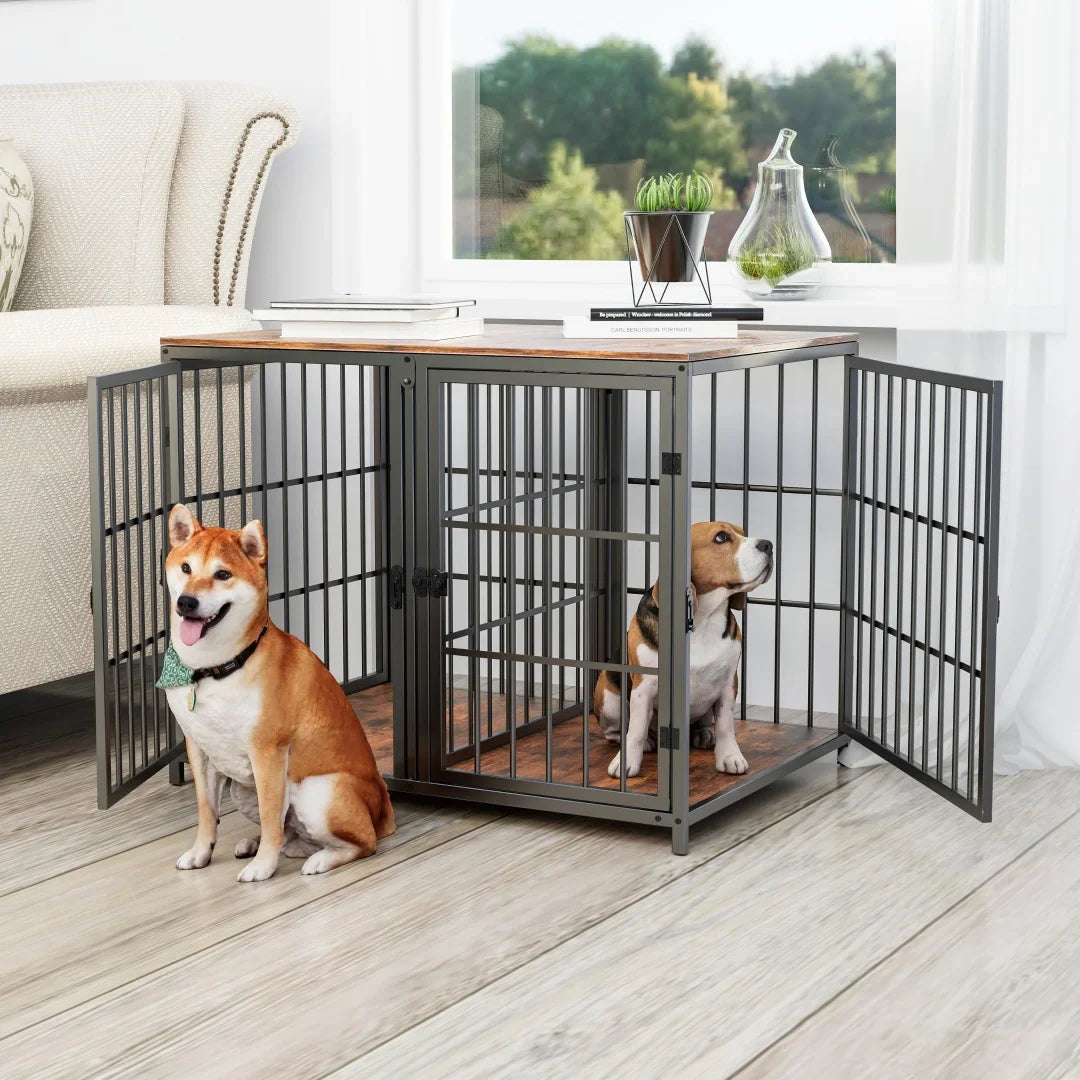
Tip 1: Pick the Right Crate Size
The foundation of peaceful sleep starts with choosing the right crate. A crate that’s too small will make your dog uncomfortable, while one that’s too big can make them restless. The rule of thumb is simple: your dog should be able to stand up, turn around, and lie down comfortably.
Tip 2: Create the Perfect Nighttime Setup
Location matters. You want your dog to feel close enough to you to feel secure, especially in the early weeks of training. Place the crate somewhere quiet but not isolated — near your bed, in the living room corner, or in a spot where your dog can see and hear you.
Add a soft bed, a breathable blanket, and a familiar toy. Avoid anything with loose parts or stuffing that can be chewed or swallowed. If you live in a colder part of the UK, such as Scotland or Northern England, make sure the crate is away from draughts. In summer, keep it in a well-ventilated area to prevent overheating.
For stylish and functional designs, the Spacious Dog Cage End Table Pet Kennel Crate Indoor Wooden Furniture is a great choice. It doubles as an end table, making it perfect for modern UK homes where space is precious.
Tip 3: Establish a Consistent Bedtime Routine
Dogs thrive on routine. Before bedtime, set up a calming ritual so your dog knows it’s time to wind down. This might include a short walk, a toilet break, a little playtime, and then settling down in their crate. Avoid high-energy activities just before bed — instead, keep things quiet and predictable.
A consistent schedule helps your dog’s body clock adjust. Over time, they’ll naturally begin to feel sleepy at bedtime, just like you do.
Tip 4: Make the First Nights Easier
The first few nights are always the hardest — your puppy might cry or whine, and that’s completely normal. They’re not being naughty; they’re just adjusting to a new environment. You can make this transition easier by:
-
Keeping the crate near you so they can hear your voice and feel reassured.
-
Placing a piece of clothing with your scent inside the crate for comfort.
-
Using a soft night light or white noise to create a calm atmosphere.
If your dog whines, avoid rushing to let them out immediately — unless it’s a toilet break. Otherwise, they might learn that crying gets attention. Stay calm, speak softly, and wait for a quiet moment before responding.
Tip 5: Limit Late Meals and Water
To avoid midnight toilet breaks, feed your dog dinner and water at least a few hours before bedtime. Puppies, in particular, have small bladders, so they’ll need one last toilet trip right before settling in. For adult dogs, consistent feeding and walking schedules will help reduce nighttime restlessness.
Tip 6: Use the Crate for Calm, Not Confinement
Your dog’s crate should always feel like a safe haven — never a punishment. Encourage positive associations during the day by leaving the crate door open and letting your dog go in voluntarily. You can place treats, toys, or a chew inside so they start to see it as a rewarding space.
Over time, your dog will begin to settle in the crate even when you’re not prompting them — that’s a sign they truly feel secure. For dogs who prefer a more open environment or multi-pet households, the 64.9” Heavy Duty Dog Kennel - Welded Metal Playpen is a great alternative. It provides plenty of space for stretching and comfort while maintaining safety.
Tip 7: Watch Temperature and Comfort Levels
The UK’s weather can be unpredictable — warm one day, cold the next. Always check your dog’s crate environment before bedtime. If it’s chilly, add a thicker bed or insulating mat. In warmer months, ensure airflow with breathable fabric and don’t cover the crate fully.
Avoid electric heating pads unless specifically designed for pets, as they can overheat or pose safety risks. For larger breeds or homes with multiple dogs, the 2-in-1 Large Heavy Duty Metal Dog Cage with Removable Divider and Cover is ideal. Its durable structure and optional cover make it suitable for both cooler and warmer nights.
Tip 8: Gradually Build Independence
As your dog becomes more comfortable, you can slowly move the crate farther from your bed or to their designated sleeping area. This gradual transition helps prevent separation anxiety and teaches independence. Each step should take a few nights — don’t rush the process.
Tip 9: Keep the Crate Clean and Inviting
A clean crate is a happy crate. Wash bedding weekly, disinfect trays or floors regularly, and ensure there are no sharp edges or rust — especially for metal crates in humid UK homes. A clean, fresh-smelling crate encourages your dog to rest peacefully without discomfort.
Tip 10: Be Patient — Every Dog Learns Differently
Just like humans, every dog has their own personality. Some will adjust to nighttime crate training within a few days, while others may take weeks. The most important thing is consistency and patience. Never scold your dog for whining — instead, reward calm behaviour and provide gentle reassurance. Over time, your dog will associate their crate with rest and safety, and bedtime will become something they look forward to.
UK Lifestyle Tips for Better Sleep
-
Flats & City Homes: Use furniture-style crates to save space and maintain design harmony.
-
Countryside Homes: For dogs that spend more time outdoors, ensure crates are weather-resistant and raised off cold floors.
-
Cold Weather: Add fleece bedding and position the crate away from doors and windows.
-
Multi-Dog Homes: Use crates with dividers so each dog has their own space but still feels part of the group.
Final Thoughts
Nighttime crate training takes patience, consistency, and care — but once your dog adjusts, it becomes a peaceful part of your routine. A well-rested dog is happier, healthier, and more well-behaved. The key is to make the crate feel like home: warm, safe, and predictable.
Final Verdict
For calmer night-time crate training, meet toilet and comfort needs, keep the crate near enough to monitor a new puppy, reward voluntary settling and increase distance gradually. Do not ignore prolonged distress or expect a young puppy to sleep through without toilet breaks.
FAQ
Why Nighttime Crate Training Matters?
Nighttime crate training helps build structure, encourages good sleeping habits, and reduces nighttime accidents. When done correctly, the crate becomes your dog’s “bedroom” — a private, cosy space they associate with rest and relaxation. For puppies, it also helps with toilet training , since dogs instinctively avoid soiling the area where they sleep.
What should you know about tip 1: pick the right crate size?
The foundation of peaceful sleep starts with choosing the right crate. A crate that’s too small will make your dog uncomfortable, while one that’s too big can make them restless. The rule of thumb is simple: your dog should be able to stand up, turn around, and lie down comfortably.
What should you know about tip 2: create the perfect nighttime setup?
Location matters. You want your dog to feel close enough to you to feel secure, especially in the early weeks of training. Place the crate somewhere quiet but not isolated — near your bed, in the living room corner, or in a spot where your dog can see and hear you.
What should you know about tip 3: establish a consistent bedtime routine?
Dogs thrive on routine. Before bedtime, set up a calming ritual so your dog knows it’s time to wind down. This might include a short walk, a toilet break, a little playtime, and then settling down in their crate. Avoid high-energy activities just before bed — instead, keep things quiet and predictable.
What should you know about tip 4: make the first nights easier?
The first few nights are always the hardest — your puppy might cry or whine, and that’s completely normal. They’re not being naughty; they’re just adjusting to a new environment. You can make this transition easier by:
What should you know about tip 5: limit late meals and water?
To avoid midnight toilet breaks, feed your dog dinner and water at least a few hours before bedtime. Puppies, in particular, have small bladders, so they’ll need one last toilet trip right before settling in. For adult dogs, consistent feeding and walking schedules will help reduce nighttime restlessness.