

How to Introduce a Cat to a Pet Stroller
Short Answer
A cat stroller should have a fully enclosed, escape-resistant and ventilated cabin. Introduce it indoors with the wheels locked, reward voluntary exploration and move only when the cat remains relaxed. Many cats will not enjoy stroller travel, and forcing them can increase fear.
Key Takeaways
- Choose from the dog’s measurements, weight, mobility and the routes you use.
- A pram should supplement appropriate walking, sniffing and activity unless a vet advises otherwise.
- Check brakes, stability, ventilation, harness attachment points and heat.
- Introduce the pram gradually while stationary before moving.
- Unexplained pain, fatigue or mobility loss needs veterinary assessment.
Quick Decision Checklist
| Check | What to look for |
|---|---|
| Purpose | A clear welfare-led use rather than punishment or convenience |
| Fit and setup | Enough room, safe materials, ventilation and a stable location |
| Behaviour | Loose body language, voluntary approach and normal eating |
| Daily needs | Water, toileting, movement, rest and social contact remain available |
| Warning signs | Pain, panic, repeated escape attempts or sudden behaviour change |
Key takeaways
- Cats experience movement and noise very differently from dogs, so stroller design matters.
- Enclosed spaces, smooth suspension, and controlled airflow help reduce stress.
- Gradual introduction is essential for building trust and comfort.
- The right stroller supports calm outings rather than overwhelming stimulation.
- Purpose designed cat strollers make outdoor time safer and more enjoyable.
Cats are curious, sensitive, and deeply attached to their sense of security. While some cats happily explore the outdoors, others prefer watching the world from a safe distance. A pet stroller can bridge that gap, allowing cats to experience fresh air and new sights without feeling exposed or unsafe.
This guide explains how to keep your cat comfortable and relaxed in a pet stroller, from choosing the right design to building positive associations over time.
Why cats react differently to strollers than dogs
Cats rely heavily on predictability and control. Sudden noises, vibrations, or unfamiliar movement can quickly trigger anxiety. Unlike dogs, most cats do not enjoy open exposure or constant visual stimulation.
A well chosen stroller respects these instincts by offering:
- Enclosed, den like spaces
- Stable movement with minimal vibration
- Controlled visibility rather than wide open views
Understanding this difference is essential before introducing any stroller to your cat.
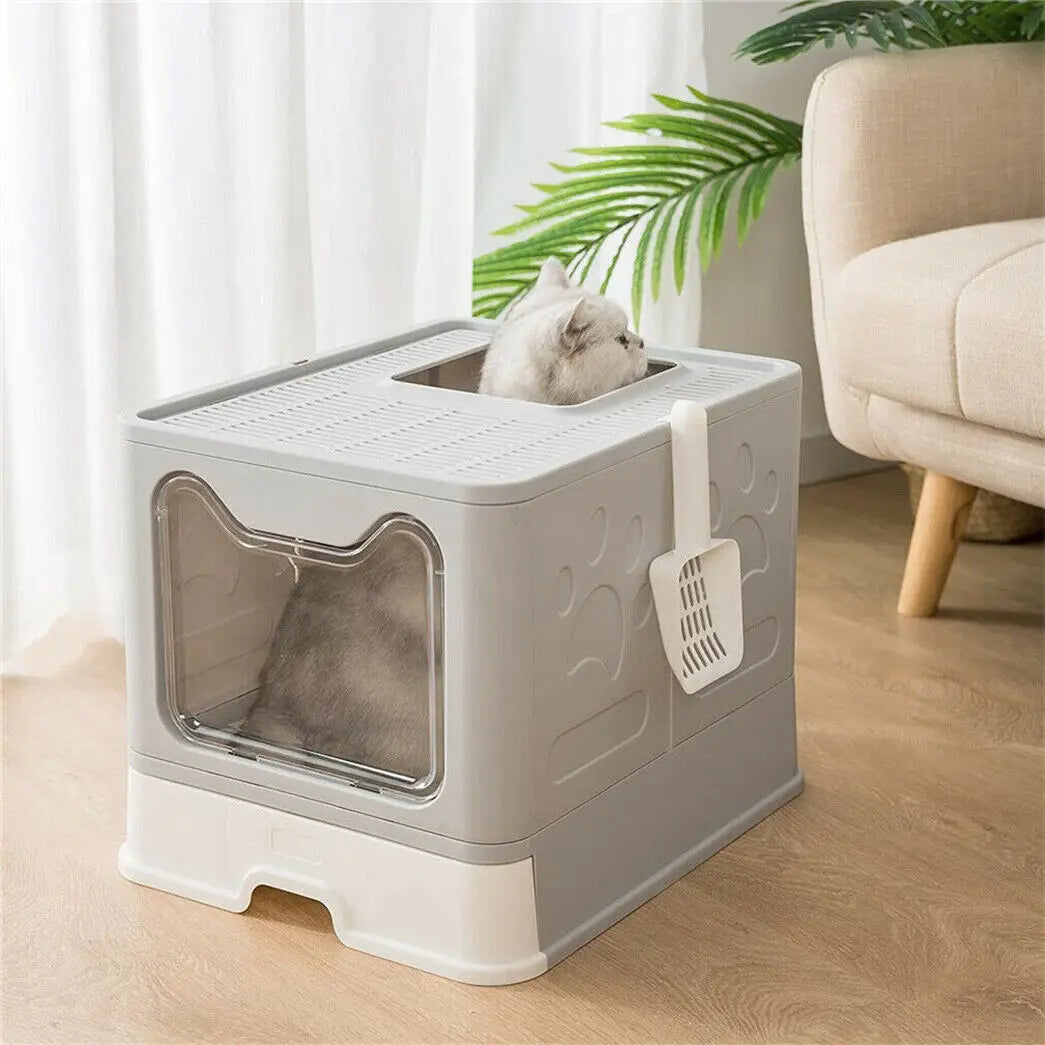
Choosing a stroller designed with cats in mind
Enclosure and privacy
Cats feel safer when they can retreat into an enclosed space. A cat friendly stroller should provide:
- Fully enclosed mesh panels
- Secure zip closures
- Optional covers to reduce visual input
This design allows your cat to observe the environment when comfortable while still having the option to hide.
Collections such as our cat pram range focus on enclosure and security rather than open seating, making them more suitable for feline passengers.
Stable base and low centre of gravity
A low, stable base helps prevent rocking or tipping, which can be unsettling for cats. Strollers that sit closer to the ground tend to feel more predictable during movement.
Stability is especially important for indoor cats who may not be accustomed to uneven surfaces or outdoor sounds.
Suspension and smooth movement
Cats are highly sensitive to vibration. Even small bumps can feel exaggerated inside a stroller without proper suspension.
Features to prioritise include:
- Shock absorbing wheels
- Smooth rolling tyres
- Frames that minimise rattling noise
Products like the one click folding pet stroller with shock absorbers are designed to reduce vibration and create a calmer ride, which can make a noticeable difference for nervous cats.
Managing airflow without overstimulation
Fresh air is important, but too much airflow or wind can increase anxiety. A good cat stroller balances ventilation with protection.
Look for:
- Mesh panels positioned away from direct wind
- Adjustable covers
- Ventilation that does not create drafts
This allows your cat to breathe comfortably without feeling exposed.
Interior comfort and familiar scents
Soft, familiar bedding
Cats rely on scent for reassurance. Adding familiar bedding or a blanket from home can help your cat feel secure inside the stroller.
The interior should offer:
- A flat surface for lying down
- Enough space to turn slightly
- Padding that absorbs movement
Avoid slippery surfaces that cause your cat to shift during motion.
Secure but gentle restraint
Some strollers include internal tethers designed for use with a harness. These should be short enough to prevent sudden movement but never restrictive.
Harness training should always happen at home before using a stroller outdoors.
Gradual introduction builds confidence
Introducing a stroller slowly is one of the most important steps in keeping your cat calm.
Start by:
- Placing the stroller open in a familiar room
- Allowing your cat to explore it freely
- Adding treats or toys nearby
Once your cat enters willingly, you can practice closing the stroller briefly without moving. Short indoor pushes help your cat adjust to motion before heading outside.
Patience at this stage often determines long term success.
Short outings and predictable routines
When you begin outdoor use, keep outings short and predictable. Choose quiet areas and avoid busy roads or crowded spaces at first.
Over time, your cat may begin to associate the stroller with calm experiences rather than stress. Routine helps cats feel in control, even in new environments.
Choosing the right stroller size and design
Cats should be able to sit or lie comfortably without excess space that allows sliding. Oversized strollers may feel unstable to smaller cats.
Convertible designs such as theview this 2-in-1 convertible pet stroller, dog car seat option in more detail can work well for confident cats when properly enclosed, especially for owners who want flexibility for different pets.
For households with multiple pets, sturdier options like the pet stroller for two pets with divider and heavy wheels can offer separate spaces while maintaining stability.

Combining stroller use with other calm spaces
Cats benefit from having multiple safe zones. A stroller should complement existing routines, not replace them.
Understanding how cats respond to enclosed spaces can be helpful. While written with dogs in mind, our guide on the difference between crates, cages, and kennels explains how structure and enclosure affect animal behaviour, which applies broadly to pets seeking security.
Similarly, learning how animals associate spaces with comfort can be useful. Our article on creating positive associations with enclosed resting areas offers practical insights that translate well to stroller training for cats.
Travel and vet visits made easier
Pet strollers are particularly helpful for:
- Vet visits without carrying crates
- Apartment living where transport is limited
- Senior or mobility limited cats
They allow cats to remain enclosed and protected while reducing the strain on owners during travel.
When a stroller may not be right for your cat
Not every cat will enjoy stroller outings. Signs that a stroller may not be suitable include:
- Persistent hiding or freezing
- Heavy vocalisation
- Attempts to escape despite gradual introduction
In these cases, shorter exposure or alternative transport methods may be more appropriate. Always prioritise your cat’s comfort over routine.
A calm approach to outdoor enrichment
By focusing on enclosure, stability, and routine, cat owners can create positive outdoor experiences that respect feline instincts.
Need help choosing a cat friendly stroller?
Get in touch with us for personalised advice and support.
Final Verdict
A cat stroller should have a fully enclosed, escape-resistant and ventilated cabin. Introduce it indoors with the wheels locked, reward voluntary exploration and move only when the cat remains relaxed. Many cats will not enjoy stroller travel, and forcing them can increase fear.
FAQ
What should you know about key takeaways cats experience movement and noise very differently from dogs, so stroller design matters. enclosed spaces, smooth suspension, and controlled airflow help reduce stress. gradual introduction is essential for building trust and comfort. the right stroller supports calm outings rather than overwhelming stimulation. purpose designed cat strollers make outdoor time safer and more enjoyable. cats are curious, sensitive, and deeply attached to their sense of security. while some cats happily explore the outdoors, others prefer watching the world from a safe distance. a pet stroller can bridge that gap, allowing cats to experience fresh air and new sights without feeling exposed or unsafe. this guide explains how to keep your cat comfortable and relaxed in a pet stroller, from choosing the right design to building positive associations over time. why cats react differently to strollers than dogs?
Cats rely heavily on predictability and control. Sudden noises, vibrations, or unfamiliar movement can quickly trigger anxiety. Unlike dogs, most cats do not enjoy open exposure or constant visual stimulation.
What should you know about choosing a stroller designed with cats in mind enclosure and privacy cats feel safer when they can retreat into an enclosed space. a cat friendly stroller should provide: fully enclosed mesh panels secure zip closures optional covers to reduce visual input this design allows your cat to observe the environment when comfortable while still having the option to hide. collections such as our cat pram range focus on enclosure and security rather than open seating, making them more suitable for feline passengers. stable base and low centre of gravity a low, stable base helps prevent rocking or tipping, which can be unsettling for cats. strollers that sit closer to the ground tend to feel more predictable during movement. stability is especially important for indoor cats who may not be accustomed to uneven surfaces or outdoor sounds. suspension and smooth movement?
Cats are highly sensitive to vibration. Even small bumps can feel exaggerated inside a stroller without proper suspension.
What should you know about managing airflow without overstimulation?
Fresh air is important, but too much airflow or wind can increase anxiety. A good cat stroller balances ventilation with protection.
What should you know about interior comfort and familiar scents soft, familiar bedding cats rely on scent for reassurance. adding familiar bedding or a blanket from home can help your cat feel secure inside the stroller. the interior should offer: a flat surface for lying down enough space to turn slightly padding that absorbs movement avoid slippery surfaces that cause your cat to shift during motion. secure but gentle restraint some strollers include internal tethers designed for use with a harness. these should be short enough to prevent sudden movement but never restrictive. harness training should always happen at home before using a stroller outdoors. gradual introduction builds confidence?
Introducing a stroller slowly is one of the most important steps in keeping your cat calm.
What should you know about short outings and predictable routines?
When you begin outdoor use, keep outings short and predictable. Choose quiet areas and avoid busy roads or crowded spaces at first.
What should you know about choosing the right stroller size and design?
Cats should be able to sit or lie comfortably without excess space that allows sliding. Oversized strollers may feel unstable to smaller cats.