

Dog Crate Size Chart UK: Measurements by Dog Type
Short Answer
Choose a crate from your dog’s individual measurements, not a breed label alone. Your dog must be able to stand naturally, turn around, lie on either side and stretch fully. This page provides a practical UK size-chart starting point; always confirm the product’s internal dimensions before buying.
Key Takeaways
- Use crates and kennels as welfare-led management tools, never as punishment.
- Fit, ventilation, temperature, mobility and the dog’s behaviour matter more than product labels.
- Reward voluntary use and reduce difficulty at the first sign of distress.
- Normal access to water, toileting, movement, exercise and social contact must continue.
- Panic, sudden behaviour change or physical discomfort warrants veterinary or qualified behaviour support.
Quick Decision Checklist
| Check | What to look for |
|---|---|
| Purpose | A clear welfare-led use rather than punishment or convenience |
| Fit and setup | Enough room, safe materials, ventilation and a stable location |
| Behaviour | Loose body language, voluntary approach and normal eating |
| Daily needs | Water, toileting, movement, rest and social contact remain available |
| Warning signs | Pain, panic, repeated escape attempts or sudden behaviour change |
Why Crate Size Matters
A crate isn’t just a containment tool; it’s a sanctuary. Dogs are natural den animals, and a properly sized crate provides them with a safe, comfortable space to relax. A crate that’s too small can cause discomfort, anxiety, and even physical health issues, while an overly large crate can make your dog feel insecure and defeat the purpose of a den-like retreat. The right size ensures your dog can stand up, turn around, and lie down comfortably without feeling lost in an oversized space.
Measuring Your Dog for the Perfect Fit
Before you start shopping for a crate, you’ll need to measure your dog accurately. Here’s how:
-
Length: Measure from the tip of your dog’s nose to the base of their tail (not the tip). Add 2-4 inches to this measurement to ensure there’s enough room to stretch out.
-
Height: Measure from the floor to the top of your dog’s head or ears (whichever is taller) while they’re standing. Add 2-4 inches to account for comfort.
-
Weight: While weight isn’t the primary factor for sizing, it’s good to know when considering the crate’s durability and sturdiness.
Crate Size Guidelines by Dog Breed
While individual dogs vary, breed-specific guidelines can give you a helpful starting point. Here’s a quick reference for popular UK breeds:
-
Small Breeds (e.g., Jack Russell Terrier, Dachshund): 24-inch crate.
-
Medium Breeds (e.g., Border Collie, Cocker Spaniel): 30-36 inch crate.
-
Large Breeds (e.g., Labrador Retriever, Golden Retriever): 36-42 inch crate.
-
Extra-Large Breeds (e.g., Great Dane, Saint Bernard): 48-inch crate or larger.
Always prioritize your dog’s individual size and comfort over general breed averages.
Types of Crates and Their Impact on Sizing
Not all crates are created equal. The type of crate you choose can influence how much space your dog needs.
-
Wire Crates: Versatile and airy, wire crates are a popular choice. Many come with dividers, allowing you to adjust the space as your puppy grows.
-
Plastic Crates: Ideal for travel or nervous dogs who prefer more privacy. Ensure there’s enough ventilation alongside the right dimensions.
-
Soft-Sided Crates: Great for small dogs or occasional use but not suitable for heavy chewers or escape artists.
-
Furniture-Style Crates: These double as home decor but may have slightly less internal space due to thicker walls. Measure carefully.
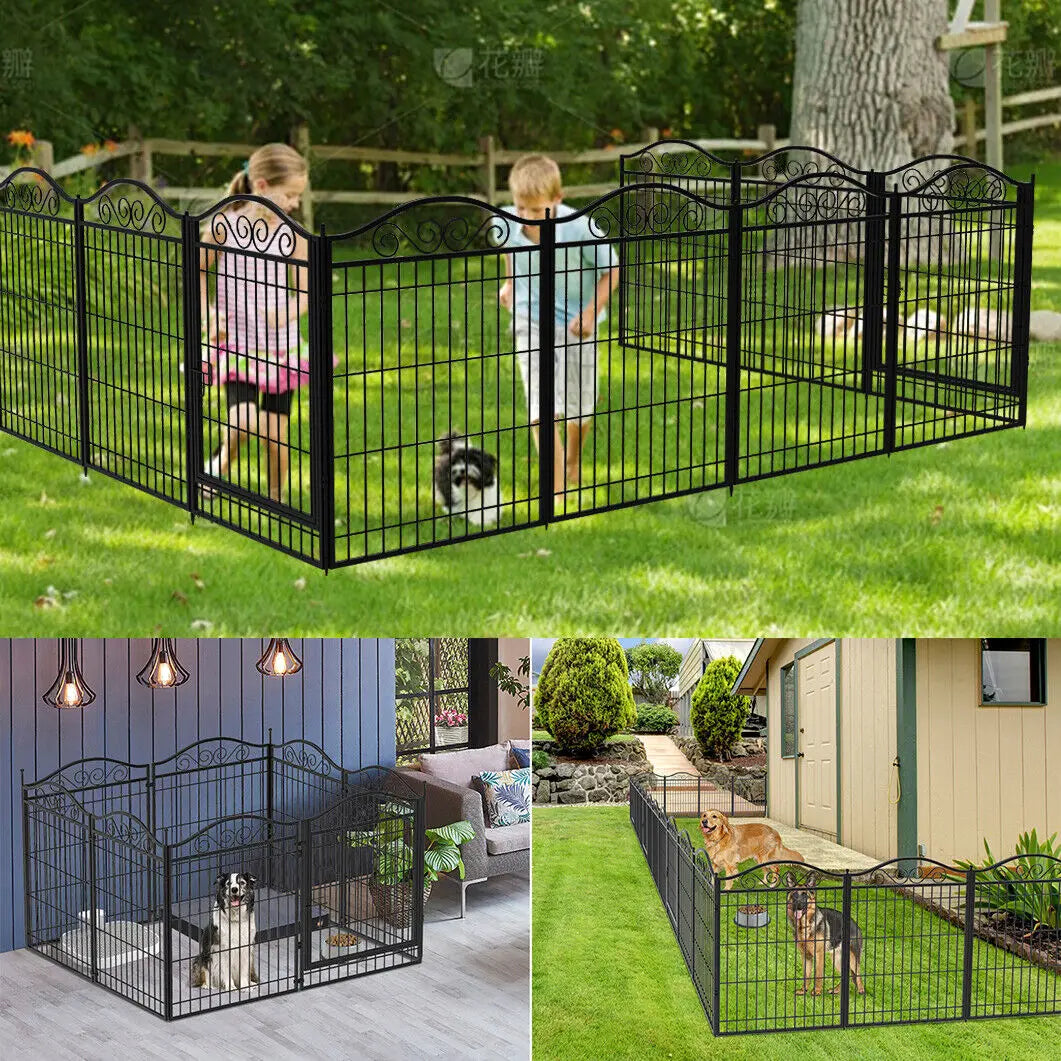
Crate Training and Adjusting the Size
If you’re crate training a puppy, consider a crate with a divider panel. This allows you to adjust the crate’s size as your puppy grows, saving you from buying multiple crates. Start with a smaller space to discourage accidents and gradually increase it as your puppy matures.
Common Mistakes to Avoid
-
Going Too Big: A crate that’s too large can make your dog feel insecure and encourage them to use one corner as a bathroom.
-
Ignoring Growth: Puppies grow quickly, so plan for their adult size if you’re investing in a long-term crate.
-
Skipping Comfort: A crate isn’t just about dimensions. Adding a soft bed or mat and a favourite toy makes the space inviting.
-
Overlooking Ventilation: Ensure the crate has proper airflow, especially for plastic models.
From the Size Chart to a Real Crate
A size chart is a shortlist, not a fit guarantee. For an interactive result, use our UK large dog crate size calculator. If your measurements fall in the large, XL or giant-breed range, compare the verified internal dimensions in our large and extra-large dog crate collection. Do not choose a smaller model simply because the recommended footprint is difficult to place in the room.
Final Verdict
Choose a crate from your dog’s individual measurements, not a breed label alone. Your dog must be able to stand naturally, turn around, lie on either side and stretch fully. This page provides a practical UK size-chart starting point; always confirm the product’s internal dimensions before buying.
FAQ
Why Crate Size Matters?
A crate isn’t just a containment tool; it’s a sanctuary. Dogs are natural den animals, and a properly sized crate provides them with a safe, comfortable space to relax. A crate that’s too small can cause discomfort, anxiety, and even physical health issues, while an overly large crate can make your dog feel insecure and defeat the purpose of a den-like…
What should you know about measuring your dog for the perfect fit?
Before you start shopping for a crate, you’ll need to measure your dog accurately. Here’s how:
What should you know about crate size guidelines by dog breed?
While individual dogs vary, breed-specific guidelines can give you a helpful starting point. Here’s a quick reference for popular UK breeds:
What should you know about types of crates and their impact on sizing?
Not all crates are created equal. The type of crate you choose can influence how much space your dog needs.
What should you know about crate training and adjusting the size?
If you’re crate training a puppy, consider a crate with a divider panel. This allows you to adjust the crate’s size as your puppy grows, saving you from buying multiple crates. Start with a smaller space to discourage accidents and gradually increase it as your puppy matures.
Is a crate suitable for every dog?
No. Dogs who panic, risk injury, cannot move comfortably or have a negative confinement history may need an open crate, pen or dog-proofed room instead.
Resources
- RSPCA: Crate training
- PDSA: Crate training your dog
- Dogs Trust: Separation anxiety
- DEFRA: Code of practice for dog welfare