

Crate Training Small vs Large Dogs: Key Differences
Short Answer
The principles of crate training are the same for small and large dogs: correct fit, voluntary entry and gradual door work. Differences are practical—body proportions, strength, heat, joint support, portability and growth—not a reason to rush or use different welfare standards.
Key Takeaways
- Use crates and kennels as welfare-led management tools, never as punishment.
- Fit, ventilation, temperature, mobility and the dog’s behaviour matter more than product labels.
- Reward voluntary use and reduce difficulty at the first sign of distress.
- Normal access to water, toileting, movement, exercise and social contact must continue.
- Panic, sudden behaviour change or physical discomfort warrants veterinary or qualified behaviour support.
Quick Decision Checklist
| Check | What to look for |
|---|---|
| Purpose | A clear welfare-led use rather than punishment or convenience |
| Fit and setup | Enough room, safe materials, ventilation and a stable location |
| Behaviour | Loose body language, voluntary approach and normal eating |
| Daily needs | Water, toileting, movement, rest and social contact remain available |
| Warning signs | Pain, panic, repeated escape attempts or sudden behaviour change |
Understanding the Fundamental Differences
Small breeds, typically under 30 pounds, have faster metabolisms and smaller bladders, needing more frequent toilet breaks. A Pug puppy might need breaks every two hours, whilst a Golden Retriever puppy could manage three to four hours.
Large breeds experience dramatic growth spurts. A Great Dane puppy starts at around 10 pounds but can reach 100 pounds by their first birthday. This rapid growth affects everything from crate sizing to training timelines.
Small dogs often feel more secure in enclosed, den-like spaces, whilst some large breeds may struggle with feeling cramped. Understanding your dog's individual temperament alongside breed characteristics will guide your training approach.
Choosing the Right Crate: Size-Specific Considerations
Small Breed Crate Selection
For small breeds like Yorkshire Terriers or French Bulldogs, the crate should allow your dog to stand, turn around, and lie down comfortably without excessive space. Too much room and your small dog may toilet in one end.
Plastic airline-style crates often work brilliantly for small breeds, creating that cosy, den-like atmosphere. If you're browsing our range of dog crates, many small breed owners can use the same crate from puppyhood through adulthood.
Large Breed Crate Considerations
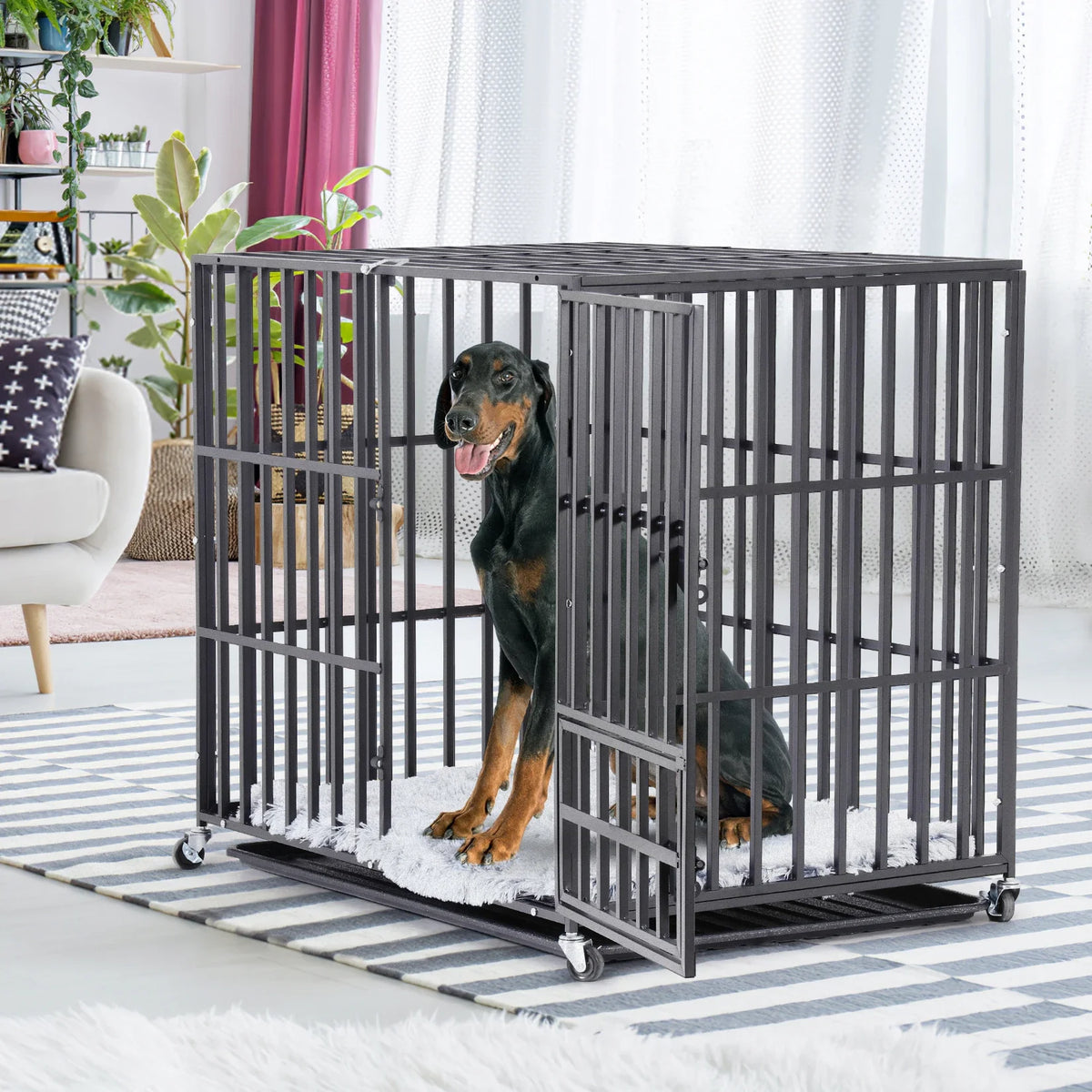
Wire crates with adjustable dividers work best for large breeds, accommodating adult size whilst creating appropriate puppy space. However, giant breeds may need to start with abrowse medium dog crate options for everyday UK use before transitioning to an extra large option.
Durability is crucial. Determined dogs can damage flimsy crates, particularly during adolescence. For aesthetics and space-saving, our furniture-style dog crate with multiple doors works beautifully for large breeds when properly rated for size and strength.
The Training Timeline: How Size Affects Progress
Small breed puppies often take longer to house train due to tiny bladders and faster metabolisms. A Chihuahua puppy under six months might need breaks every 90 minutes. Start with very short crate sessions of 15-30 minutes, gradually increasing duration. Follow the one-hour-per-month-of-age rule, though small breeds may need more frequent breaks.
Large breed puppies often progress more quickly with house training thanks to larger bladders. However, their sheer size means they can damage crates if distressed. If you're wondering about appropriate crate duration for your dog, remember no dog should be crated excessively. Large breeds need substantial exercise before crating. Growth spurts may require frequent divider adjustments as your puppy shoots up rapidly.
Physical Setup and Location
Small breed crates fit various locations, giving you flexibility. Keep them away from draughty windows in winter and direct sunlight in summer. Many owners find success keeping the crate near their bed initially for comfort, then gradually moving it.
Large breed crates require strategic placement due to size. Kitchens or ground floor rooms work well with easy-to-clean flooring. Ensure positioning allows peace from children and household activity when your dog needs rest.
Common Challenges and Solutions
Small Breed Challenges: Small breeds can be vocal, and their cries are difficult to ignore. Remain consistent - if needs are met, avoid reinforcing crying. Small dogs often experience separation anxiety; our guide on managing anxiety during crate training offers helpful strategies. Mind temperature regulation, as small breeds lose heat quickly.
Large Breed Challenges: Determined large breeds can damage inadequate crates. Invest in quality construction like our heavy-duty metal dog crate with removable divider. If managing crying behaviours, address the root cause. Monitor rapid growth and adjust sizing. Ensure adequate exercise before crating - a tired dog settles more easily.
Breed-Specific Training Approaches
Small breeds respond exceptionally well to food rewards. Use tiny treats frequently without overfeeding. Create games around the crate - toss treats inside and let your dog explore freely. Feed all meals in the crate to build positive associations. Avoiding common training pitfalls helps ensure success.
Large breed training requires emphasis on impulse control and calm behaviour. Tire them out before crate sessions - 20 minutes of training or active play makes settling easier. Build duration slowly, starting with just minutes. Give them a special toy or chew they only get in the crate. Working breeds like Border Collies need mental stimulation too - food puzzle toys help. For those working with older dogs, patience remains crucial as established habits take time to modify.
Alternative Solutions and Transitioning
Not every dog takes to crate training. Alternatives include dog pens or playpens for more space, or our mobile heavy-duty dog kennel for outdoor-loving large breeds.
The question of appropriate crate duration varies by individual dog. Small breeds often transition to a comfortable dog bed around 12-18 months. Large breeds may benefit from crate use until two or three years old when they reach full maturity.
Making Crate Training Work for Your Lifestyle
Working full time requires additional planning. Small breeds need more frequent breaks, so arrange midday visits. Consider whether crating during work hours suits your dog's needs, balanced with their physical and emotional wellbeing.
For travel, small breeds may use protective car accessories, whilst large breeds need sturdier arrangements. Understanding legal requirements ensures safe transport for all breed sizes.

Final Thoughts
Crate training small breeds versus large breeds requires different approaches, equipment, and expectations, but the goal remains the same: creating a safe, comfortable space where your dog feels secure.
Small breed owners need patience with frequent toilet breaks. Large breed owners must invest in durable equipment and plan for significant growth. Remember that every dog is individual - two Golden Retrievers might have entirely different experiences.
Success isn't just about tolerance. It's about creating a genuinely positive association where your dog views their crate as a sanctuary. Whether you have a Yorkie or a Leonberger, this outcome is achievable with the right approach and patience.
Need personalised advice on selecting the perfect crate for your small or large breed companion? Get in touch with our team - we're always happy to help you find the right solution for your furry family member.
Final Verdict
The principles of crate training are the same for small and large dogs: correct fit, voluntary entry and gradual door work. Differences are practical—body proportions, strength, heat, joint support, portability and growth—not a reason to rush or use different welfare standards.
FAQ
What should you know about understanding the fundamental differences?
Small breeds, typically under 30 pounds, have faster metabolisms and smaller bladders, needing more frequent toilet breaks. A Pug puppy might need breaks every two hours, whilst a Golden Retriever puppy could manage three to four hours.
What should you know about choosing the right crate: size-specific considerations small breed crate selection for small breeds like yorkshire terriers or french bulldogs, the crate should allow your dog to stand, turn around, and lie down comfortably without excessive space. too much room and your small dog may toilet in one end. plastic airline-style crates often work brilliantly for small breeds, creating that cosy, den-like atmosphere. if you're browsing our range of dog crates , many small breed owners can use the same crate from puppyhood through adulthood. large breed crate considerations wire crates with adjustable dividers work best for large breeds, accommodating adult size whilst creating appropriate puppy space. however, giant breeds may need to start with a medium dog crate before transitioning to an extra large option. durability is crucial. determined dogs can damage flimsy crates, particularly during adolescence. for aesthetics and space-saving, our furniture-style dog crate with multiple doors works beautifully for large breeds when properly rated for size and strength. the training timeline: how size affects progress?
Small breed puppies often take longer to house train due to tiny bladders and faster metabolisms. A Chihuahua puppy under six months might need breaks every 90 minutes. Start with very short crate sessions of 15-30 minutes, gradually increasing duration. Follow the one-hour-per-month-of-age rule, though small breeds may need more frequent breaks.
What should you know about physical setup and location?
Small breed crates fit various locations, giving you flexibility. Keep them away from draughty windows in winter and direct sunlight in summer. Many owners find success keeping the crate near their bed initially for comfort, then gradually moving it.
What should you know about common challenges and solutions?
Small Breed Challenges: Small breeds can be vocal, and their cries are difficult to ignore. Remain consistent - if needs are met, avoid reinforcing crying. Small dogs often experience separation anxiety; our guide on managing anxiety during crate training offers helpful strategies. Mind temperature regulation, as small breeds lose heat quickly.
What should you know about breed-specific training approaches?
Small breeds respond exceptionally well to food rewards. Use tiny treats frequently without overfeeding. Create games around the crate - toss treats inside and let your dog explore freely. Feed all meals in the crate to build positive associations. Avoiding common training pitfalls helps ensure success.
What should you know about alternative solutions and transitioning?
Not every dog takes to crate training. Alternatives include dog pens or playpens for more space, or our mobile heavy-duty dog kennel for outdoor-loving large breeds.