

Dog Car Seats for Small vs Large Dogs
Short Answer
Small and large dogs need the same outcome—a suitable restraint that prevents driver distraction and uncontrolled movement. Small dogs may fit secured carriers or booster-style seats; many larger dogs need an appropriately tested harness, secured crate or boot-area system. Measure the individual dog and follow product and vehicle instructions.
Key Takeaways
- Highway Code Rule 57 says dogs should be suitably restrained in vehicles.
- Check product, vehicle, dog-size and installation compatibility before travel.
- Introduce equipment and vehicle movement gradually using reward-based training.
- Plan ventilation, water, toilet breaks and safe entry and exit.
- Never leave a dog unattended in a vehicle.
Quick Decision Checklist
| Check | Before travel |
|---|---|
| Restraint | Correctly fitted and installed according to its instructions |
| Fit | Suitable for the dog’s current measurements and weight |
| Driver safety | The dog cannot reach or distract the driver |
| Comfort | Ventilation, temperature, water and breaks are planned |
| Training | The dog has been introduced gradually and remains relaxed |
Understanding UK Legal Requirements
Before diving into specific products, it's essential to understand your legal obligations. Highway Code Rule 57 says dogs should be suitably restrained in vehicles. This means they cannot roam freely, sit on your lap whilst driving, or obstruct your view.
Failure to properly restrain your dog can result in a £1,000 fine if you're involved in an accident. More importantly, an unrestrained dog becomes a projectile in a collision, potentially causing serious injury to themselves and passengers. Understanding UK dog car safety laws helps ensure you're protecting both your pet and your family.
Rule 57 does not prescribe one specific restraint for every dog and vehicle, which gives owners flexibility. However, this flexibility also means you need to choose appropriate restraints for your dog's size and your vehicle type.
Why Size Matters: The Fundamental Differences
Small and large dogs have entirely different needs when it comes to car travel. These differences affect everything from the type of seat you choose to where it's positioned in your vehicle.
Small Dog Considerations: Dogs under 10kg often feel vulnerable in cars, particularly if they can't see out of windows. They're more prone to car sickness when positioned low, and they can easily slip through gaps in standard restraints. Small dogs also overheat more quickly in enclosed spaces and need adequate ventilation.
Large Dog Considerations: Dogs over 20kg have the strength to damage inadequate restraints and can cause significant injury if unrestrained during sudden stops. They need robust materials that can withstand their weight and movement. Large dogs also require more space to lie down comfortably on longer journeys.
These fundamental differences mean that a one-size-fits-all approach simply doesn't work for dog car safety.
Car Seat Options for Small Dogs
Small breed owners have several practical options, each with distinct advantages.
Booster Seats
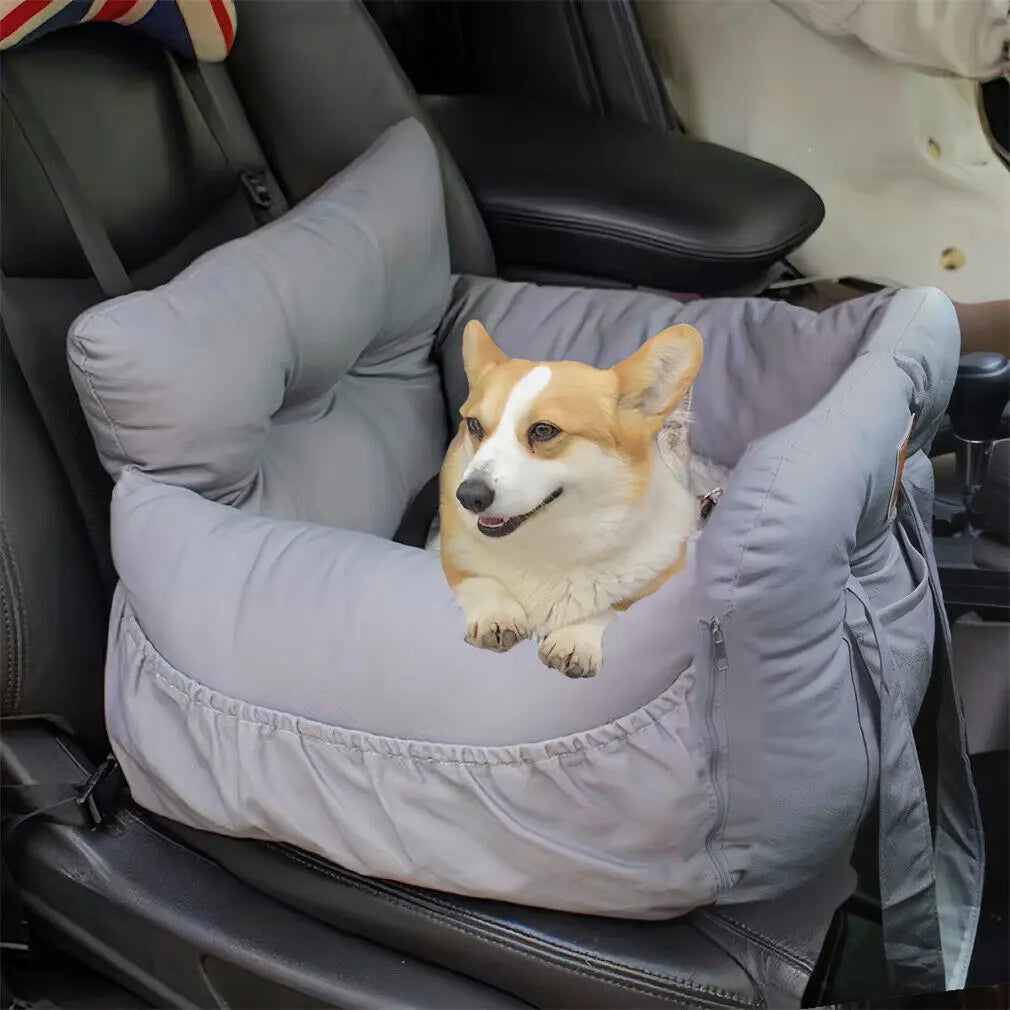
Booster seats are popular for small dogs because they elevate your pet, allowing them to see out of windows. This visibility often reduces travel anxiety and car sickness. Quality booster seats include a tether that attaches to your dog's harness, preventing them from jumping out whilst still allowing comfortable movement.
Our dog car seat with safety belt and washable cushion exemplifies this design. The raised sides provide security, whilst the breathable materials prevent overheating on longer journeys.
When choosing a booster seat, ensure it has:
- A secure attachment system to your car's seatbelt
- A safety tether with a strong clip for your dog's harness
- Washable, comfortable padding
- Sides high enough to contain your dog but low enough for visibility
- Non-slip base to prevent sliding during travel
Carrier-Style Seats
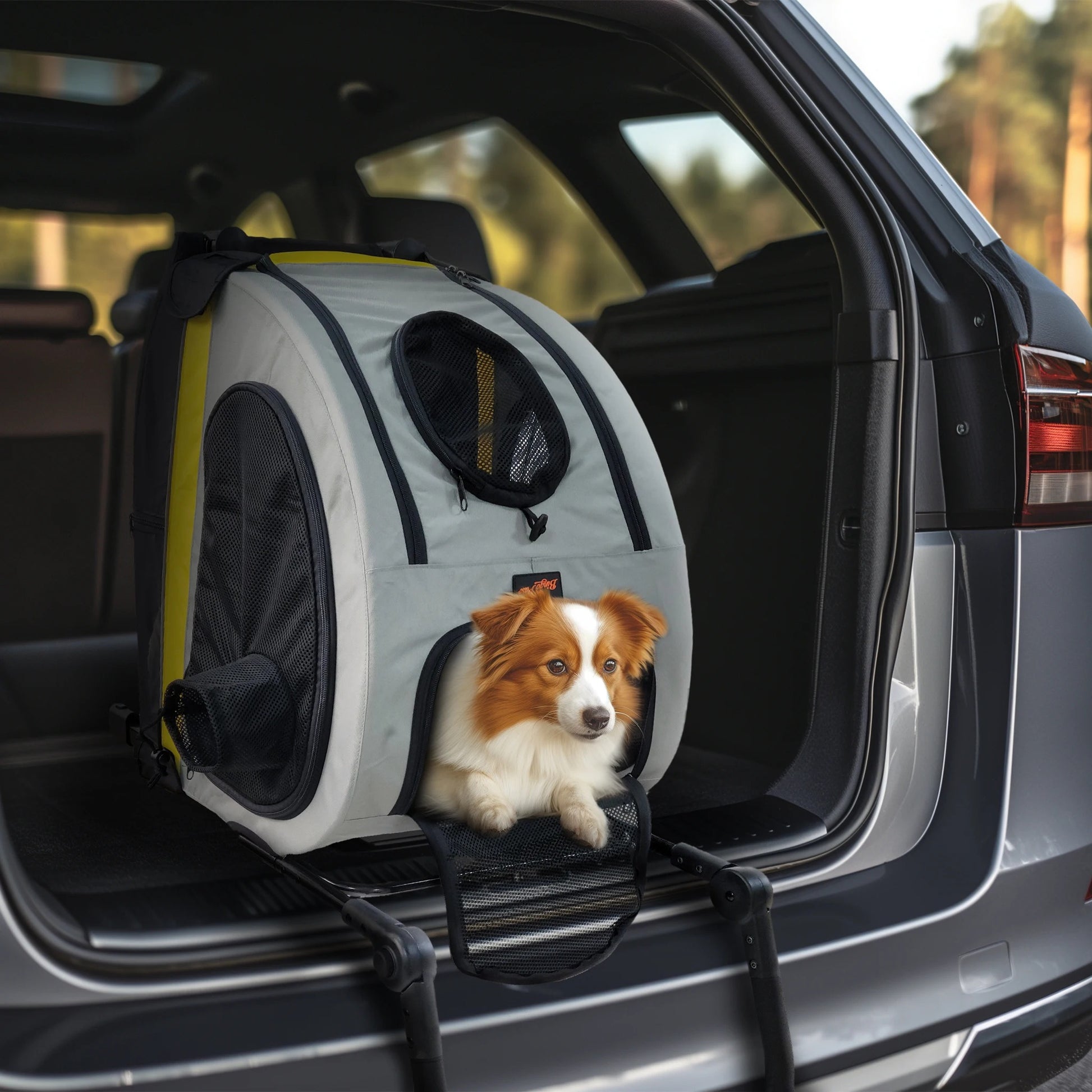
Some small dog owners prefer enclosed carrier seats, particularly for anxious dogs who feel more secure in a den-like space. These work well for very small breeds like Yorkshire Terriers or Pomeranians.
The advantage of carrier-style seats is that they double as a carrier for vet visits or short walks. However, they limit visibility, which some dogs find distressing.
Console Seats
For owners of very small dogs, console seats that fit between front seats offer a clever solution. They keep your dog close whilst maintaining a secure barrier. These work particularly well for single-passenger travel.
Car Seat Solutions for Large Dogs
Large dogs require different approaches to car safety, focusing more on restraint than elevation.
Hammock-Style Seat Covers
Hammock-style covers protect your back seat whilst creating a secure space for your large dog. They attach to both front and rear headrests, forming a protective barrier that prevents your dog from jumping into the front seats.
Our waterproof dog car seat cover with mesh window and side protection offers exactly this functionality. The waterproof material protects against muddy paws and accidents, whilst the mesh window allows airflow and visibility.
Quality hammock covers should feature:
- Durable, scratch-resistant material
- Secure attachment points for stability
- Side panels to protect car doors
- Quick-release clips for easy installation and removal
- Mesh panels for ventilation
- Non-slip backing to stay in place
Harness and Seatbelt Systems
For large dogs, a tested for its claimed use harness attached to your car's seatbelt system provides excellent restraint. This approach works particularly well for dogs who sit calmly during travel.
The harness should distribute force across your dog's chest and shoulders, not their neck. Look for harnesses that have passed crash testing and include a seatbelt adapter that works with standard seatbelt clips.
Boot Guards and Crates
If you prefer to keep your large dog in the boot area, boot guards or travel crates provide safe containment. This approach works well for estate cars or SUVs with adequate boot space.
Travel crates must be properly secured to prevent them sliding during sudden stops. They should be large enough for your dog to stand, turn around, and lie down comfortably.
Key Safety Features Across All Sizes
Regardless of your dog's size, certain safety features are non-negotiable.
Crash Testing: Look for products that have undergone independent crash testing. Whilst not all manufacturers provide this information, those who do demonstrate a commitment to genuine safety rather than just aesthetics.
Quality Materials: Cheap materials fail when you need them most. Stitching should be reinforced, clips should be metal rather than plastic where possible, and fabrics should be tear-resistant.
Proper Fit: A seat that's too large allows excessive movement, whilst one that's too small is uncomfortable and potentially dangerous. Always check weight limits and dimensions carefully.
Ease of Cleaning: Dogs bring dirt, hair, and sometimes accidents into cars. Removable, machine-washable covers make maintenance far easier.
Installation and Positioning Considerations
Where and how you install your dog's car seat matters as much as the seat itself.
Small Dog Positioning
Small dogs typically travel in the back seat, either in a booster secured by the seatbelt or in a carrier placed on the seat. Never place a small dog car seat in a position with an active airbag, as deployment could cause serious injury.
Some owners place small dog seats in the front passenger seat when travelling alone. If you choose this position, disable the passenger airbag and position the seat as far back as possible.
Large Dog Positioning
Large dogs should always travel in the back seat or boot area. The back seat offers easier access for your dog to enter and exit, whilst the boot provides more space on longer journeys.
If using a hammock-style cover, ensure it's taut enough to prevent sagging but not so tight that it restricts your dog's movement. For harness systems, the tether should be short enough to prevent your dog reaching the front seats but long enough to allow them to lie down comfortably.
Material and Durability Differences
The materials used in small versus large dog car seats differ significantly due to the different stresses they face.
Small Dog Seats: These often use lighter materials since they don't need to withstand as much force. Soft, padded fabrics provide comfort, whilst reinforced seams ensure the tether attachment points remain secure.
Large Dog Seats: Durability becomes paramount for large breeds. Heavy-duty canvas, thick polyester, or even ballistic nylon may be necessary. Stress points like attachment loops need extra reinforcement, and materials must resist clawing and chewing.
Our waterproof dog car seat cover with storage bag demonstrates how proper material selection enhances both durability and functionality for larger dogs.
Temperature and Ventilation
Dogs regulate temperature differently than humans, making ventilation a critical consideration.
Small dogs, with their higher surface-area-to-volume ratio, lose heat quickly but can also overheat rapidly in enclosed spaces. Booster seats should have breathable fabrics and adequate air circulation.
Large dogs generate more body heat and need excellent airflow, especially during summer travel. Hammock covers with mesh panels allow air circulation whilst maintaining the protective barrier.
Never leave any dog in a parked car during warm weather, regardless of the car seat's ventilation features.
Multi-Dog Households
If you have both small and large dogs, you'll need multiple solutions. A hammock cover can accommodate multiple large dogs or one large and one small dog if you use appropriate harnesses for each.
Some owners find that a versatile car seat protector with adjustable features works well for varied dog sizes, though dedicated products typically perform better for specific sizes.
Common Mistakes to Avoid
Mistake 1: Choosing Based on Appearance: A car seat that matches your interior means nothing if it fails during an emergency stop. Function must come before fashion.
Mistake 2: Ignoring Weight Limits: Exceeding stated weight limits dramatically increases failure risk. If your dog is near the upper weight limit, size up to the next category.
Mistake 3: Poor Installation: Even excellent car seats fail if improperly installed. Take time to follow manufacturer instructions precisely and test the installation before your first journey.
Mistake 4: Using Human Seatbelts Alone: Standard seatbelts aren't designed for dogs and can cause injury during accidents. Always use purpose-built dog restraints.
Mistake 5: Collar Attachment: Never attach car restraints to your dog's collar. The force during sudden stops can cause serious neck injury. Always use a properly fitted harness.
Training Your Dog for Car Seat Use
Introducing your dog to their car seat requires patience, regardless of size.
Start by placing the seat in your home, allowing your dog to investigate it freely. Add treats and praise when they show interest. Once they're comfortable, place it in the car with the engine off, again rewarding calm behaviour.
Progress to short trips around the block before attempting longer journeys. Small dogs may need extra reassurance as they adjust to the elevated position, whilst large dogs might resist the restriction initially.
Our article on keeping your dog comfortable during car travel offers additional training tips.
Maintenance and Longevity
Proper maintenance extends your car seat's life and maintains its safety effectiveness.
Regular Inspection: Check clips, straps, and stitching monthly for wear. Replace any car seat showing significant damage.
Cleaning: Follow manufacturer washing instructions carefully. Most covers are machine washable, but some components require hand washing.
Storage: When not in use, store car seats in a cool, dry place away from direct sunlight, which can degrade materials over time.
Replacement Schedule: Even with perfect maintenance, replace car seats every 3-5 years or after any accident, regardless of visible damage.
Special Considerations for Puppies
Puppies grow rapidly, creating unique challenges for car seat selection.
For small breed puppies who will remain under 10kg as adults, a properly sized booster seat works throughout their life. However, large breed puppies outgrow seats quickly.
Consider whether investing in a puppy-sized seat makes financial sense, or whether managing your large breed puppy with a harness until they reach adult size might be more practical. Some owners find that starting with our dog car seat collection products designed for adjustability offers good value during the growth phase.
Making Long Journeys Comfortable
Extended car travel requires additional considerations beyond basic safety.
Small Dogs: Take breaks every two hours. Small dogs have smaller bladders and benefit from frequent stretch breaks. Bring water and a portable bowl, as they can dehydrate quickly.
Large Dogs: While large dogs can typically manage longer intervals between breaks, aim for stops every 2-3 hours. Large dogs need more substantial exercise during breaks to prevent stiffness.
For both sizes, never feed a full meal immediately before travel, as this increases car sickness risk. Our guide on safe car travel with dogs covers journey planning in detail.
When Standard Solutions Don't Work
Some dogs have needs that standard car seats don't address.
Anxious Dogs: Severe travel anxiety may require veterinary intervention alongside appropriate restraints. Discuss medication options with your vet for particularly stressed dogs.
Elderly or Disabled Dogs: Dogs with mobility issues might need ramps or steps to access car seats safely. Orthopedic padding becomes more important for arthritic dogs on longer journeys.
Very Large Breeds: Dogs exceeding 40kg might require custom solutions, particularly for smaller vehicles. Professional pet transport services may be worth considering for very large dogs and long distances.
Final Thoughts
Choosing between car seats for small versus large dogs isn't about which is "better" - it's about understanding your specific dog's needs. A Chihuahua's safety requirements differ fundamentally from a German Shepherd's, and acknowledging these differences leads to better choices.
Remember that the most expensive car seat isn't necessarily the safest, and the most popular option might not suit your individual circumstances. Assess your dog's size, temperament, and typical journey types, then select equipment that addresses those specific needs.
Safe travel isn't just about compliance with laws - it's about protecting a beloved family member who relies on you to make sensible choices on their behalf. Take the time to get it right, and every journey will be safer and more enjoyable for everyone involved.
Final Verdict
Small and large dogs need the same outcome—a suitable restraint that prevents driver distraction and uncontrolled movement. Small dogs may fit secured carriers or booster-style seats; many larger dogs need an appropriately tested harness, secured crate or boot-area system. Measure the individual dog and follow product and vehicle instructions.
FAQ
What should you know about understanding uk legal requirements?
Before diving into specific products, it's essential to understand your legal obligations. Highway Code Rule 57 says dogs should be suitably restrained in vehicles. This means they cannot roam freely, sit on your lap whilst driving, or obstruct your view.
Why Size Matters: The Fundamental Differences?
Small and large dogs have entirely different needs when it comes to car travel. These differences affect everything from the type of seat you choose to where it's positioned in your vehicle.
What should you know about car seat options for small dogs?
Small breed owners have several practical options, each with distinct advantages.
What should you know about booster seats?
Booster seats are popular for small dogs because they elevate your pet, allowing them to see out of windows. This visibility often reduces travel anxiety and car sickness. Quality booster seats include a tether that attaches to your dog's harness, preventing them from jumping out whilst still allowing comfortable movement.
What should you know about carrier-style seats?
Some small dog owners prefer enclosed carrier seats, particularly for anxious dogs who feel more secure in a den-like space. These work well for very small breeds like Yorkshire Terriers or Pomeranians.
What should you know about console seats?
For owners of very small dogs, console seats that fit between front seats offer a clever solution. They keep your dog close whilst maintaining a secure barrier. These work particularly well for single-passenger travel.