

How to Help an Overweight Pet Lose Weight Safely
Short Answer
Safe weight loss starts with a veterinary assessment, an accurate body-condition and weight target, measured complete food and gradual activity suited to the animal. Do not crash-diet a pet, and count treats and household extras within the daily plan.
Key Takeaways
- Adapt care to the individual animal’s age, health, behaviour and environment.
- Use reward-based training and introduce change gradually.
- Check product dimensions, materials and instructions rather than relying on labels.
- Monitor for pain, fear, appetite changes or other signs that need professional advice.
- Prioritise welfare and practical daily routines over quick fixes.
Quick Decision Checklist
| Check | What to look for |
|---|---|
| Purpose | A clear welfare-led use rather than punishment or convenience |
| Fit and setup | Enough room, safe materials, ventilation and a stable location |
| Behaviour | Loose body language, voluntary approach and normal eating |
| Daily needs | Water, toileting, movement, rest and social contact remain available |
| Warning signs | Pain, panic, repeated escape attempts or sudden behaviour change |
Start With a Vet Assessment
This point is worth stating plainly before anything else: any meaningful weight loss programme for a pet should begin with a veterinary consultation. There are several reasons for this.
First, some conditions that cause weight gain in pets are medical rather than dietary. Hypothyroidism in dogs and hyperadrenocorticism (Cushing's disease) are both conditions that can cause or significantly contribute to weight gain. If an underlying medical condition is present, addressing diet and exercise without treating the underlying issue is unlikely to produce sustainable results.
Second, a vet can give you an accurate assessment of your pet's current body condition score - a structured system for evaluating whether a pet is underweight, healthy, or overweight - and set a realistic, healthy target weight. Knowing how much weight a pet actually needs to lose, rather than estimating, makes a weight management programme more focused and measurable.
Third, for pets with existing joint disease, heart conditions, or respiratory issues related to their weight, a vet can advise on what level of exercise is appropriate and what should be avoided. This is particularly important in the early stages of a weight loss programme, when a pet may be significantly deconditioned.
Understanding Why Pets Become Overweight
Before addressing how to help a pet lose weight, it is worth understanding how excess weight tends to accumulate in the first place. The most common contributors in UK pet households are:
Overfeeding through incorrect portion sizes. Feeding guides on pet food packaging are often general estimates rather than precise recommendations for every individual animal. A pet's actual caloric needs depend on their age, breed, activity level, and whether they are neutered. Without measuring portions accurately, it is easy to consistently feed slightly more than needed.
Treats and extras. Treats are a common form of affection and reward in pet ownership, but they contribute meaningfully to daily calorie intake. Many owners do not factor treats into overall daily feeding calculations. Table scraps, in particular, can add significant calories with little nutritional benefit.
Multiple feeders in a household. In households with more than one person caring for a pet, it is common for feeding to happen more than once without clear communication - each person assuming the other has not fed the pet yet. This is one of the more common unintentional contributors to excess calorie intake.
Reduced activity over time. As dogs age, or when owners' routines change, exercise levels can reduce gradually without dietary intake being adjusted to match. What was an appropriate diet for an active young dog may be excessive for a quieter older one.
Neutering. Neutered dogs and cats have lower metabolic rates than intact animals and typically require fewer calories to maintain a healthy weight. Continuing pre-neutering feeding levels after the procedure often results in gradual weight gain.
How to Reduce Calories Safely
Once a vet has established a target weight and confirmed there are no underlying medical issues, the dietary component of weight loss is relatively straightforward in principle: caloric intake needs to be reduced below the pet's current intake while still meeting all nutritional needs.
Switch to a weight management or light food. Many reputable pet food brands produce formulations specifically designed for weight loss in dogs and cats. These tend to be lower in calories while maintaining appropriate protein levels and fibre content to help the pet feel satisfied. Your vet may recommend a specific veterinary weight management diet, or may advise on suitable commercial options.
Measure portions precisely. Using a kitchen scale rather than a cup or scoop removes a significant source of variation in daily intake. Even small consistent overfeeding adds up over time, and weighing portions is the most reliable way to ensure accuracy.
Adjust for treats. If treats are part of your daily routine with your pet, factor their calorie content into the overall daily allowance. Low-calorie treats, such as plain vegetables for dogs (carrot, cucumber, and green beans are generally well-tolerated and low in calories), allow the routine of treat-giving to continue without significantly impacting caloric targets.
Feed at consistent times. Structured meal times rather than ad-lib feeding give owners better visibility over how much the pet is actually consuming and reduce opportunities for opportunistic eating or begging behaviour that leads to extras being given.
Ensure all household members are aligned. For a weight loss programme to work, everyone who has contact with the pet needs to follow the same feeding and treat guidelines. A clear household agreement on what the pet is allowed, and who is responsible for each meal, prevents the unintentional double-feeding that undermines many weight management efforts.
Increasing Exercise Safely
The exercise component of weight loss needs to be introduced carefully, particularly for pets who have been significantly sedentary or who already have joint issues related to their weight.
For Dogs
The starting point for increased exercise should be modest. For an overweight dog with low current activity levels, extending walks gradually rather than dramatically increasing duration or intensity is the appropriate approach. Walking on softer surfaces - grass and soft paths rather than tarmac or concrete - reduces joint impact during the early weeks of a programme.
Short, frequent outings are generally more suitable than occasional long walks for overweight dogs. Two or three 15 to 20-minute walks per day may be more manageable and less physically taxing than one long walk that the dog struggles to recover from.
Hydrotherapy is sometimes recommended for overweight dogs, particularly those with concurrent joint issues. The buoyancy of water allows movement and muscle engagement with significantly less joint impact than walking on land. This is worth discussing with your vet if your dog's weight and mobility make standard exercise uncomfortable.
As your dog's weight reduces and fitness improves, exercise levels can be increased progressively. This gradual approach also helps prevent the discomfort and potential injury that can result from a sudden jump in activity for a deconditioned animal.
Our guide on how to balance activity and rest for dogs as they age or recover covers the principles of managing exercise carefully for dogs whose physical condition requires a considered approach, and many of those principles apply equally to overweight dogs in the early stages of a weight loss programme.
For overweight dogs who love outings but find sustained walking difficult, a large four-wheel pet stroller with mesh windows allows them to come along for walks and participate in the outing, walking for portions of the route and resting in the stroller when needed. This can be a genuinely useful tool during the early months of a weight management programme for dogs who are not yet able to manage longer distances.
For Cats
Exercise for overweight cats requires a different approach than for dogs, as cats cannot be walked in the same structured way. Indoor enrichment and play are the primary tools available.
Interactive play sessions using fishing rod-style toys, laser pointers, or motorised toys encourage bursts of physical activity that accumulate across the day. Multiple short play sessions of five to ten minutes are more sustainable for an unfit cat than one long session, and they also help prevent the frustration that can come from a cat that tires quickly.
Puzzle feeders and food-dispensing toys encourage movement around mealtimes, turning feeding into a mild form of exercise. For cats used to eating from a static bowl, this change also slows eating speed, which can help with satiety.
Vertical space - cat trees, shelves, and elevated areas - encourages cats to climb and move through their environment in a way that flat-floor living does not. Even modest increases in daily movement through environmental enrichment contribute to caloric expenditure over time.
The Role of Rest and Recovery
It might seem counterintuitive to discuss rest in an article about weight loss, but adequate, quality rest is genuinely important for a pet undergoing any kind of lifestyle change.
Sleep quality affects metabolism, recovery from exercise, and overall stress levels in animals as it does in people. A pet that is sleeping poorly on an inadequate surface, or that is not getting sufficient quiet rest time, is less able to recover from increased activity and may be more prone to the kind of low-grade stress that contributes to behavioural food-seeking.
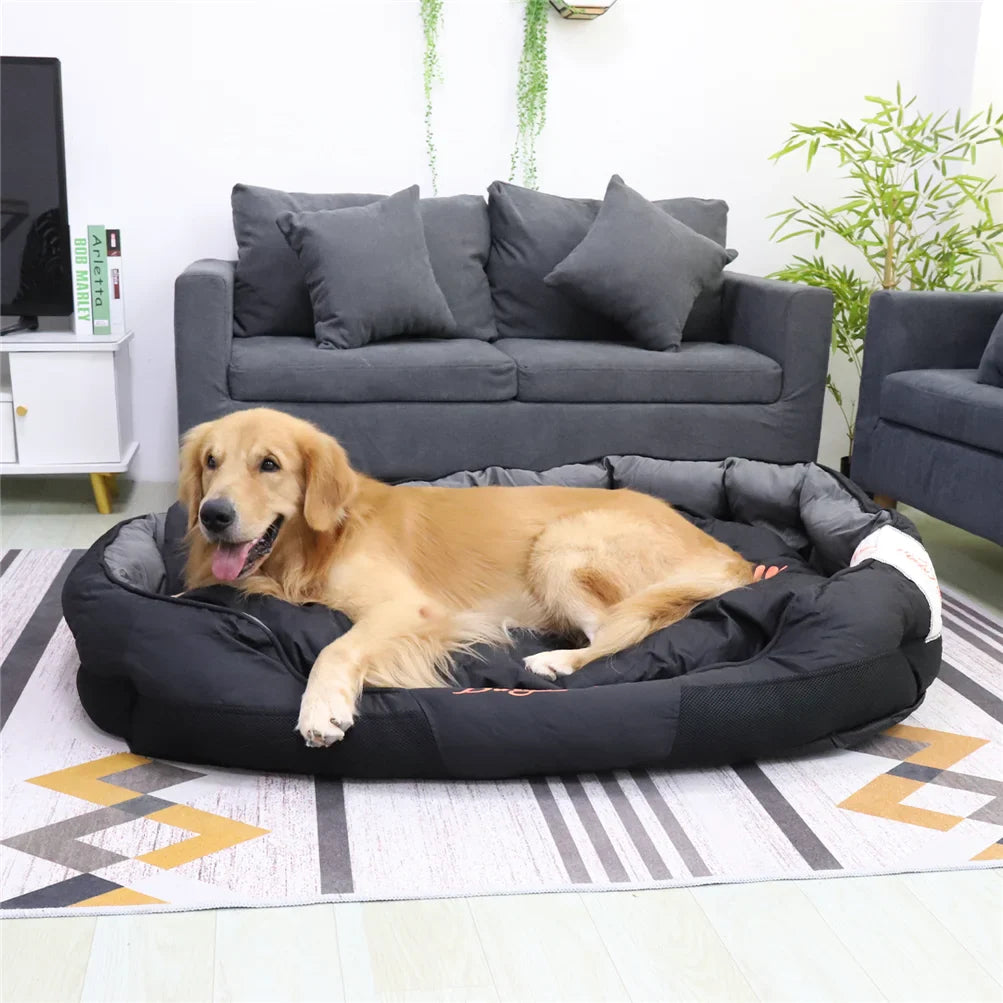
For overweight dogs in particular, joint strain during rest is a real concern. Joints that are already under pressure from excess weight are further stressed by poor sleeping surfaces. An orthopaedic or memory foam bed that distributes weight evenly reduces this ongoing pressure and supports more comfortable rest.
Ourexplore dog bed choices for different breeds and spaces provides consistent support across the full body rather than allowing pressure to concentrate on hips and elbows. This is a practical investment for any dog carrying excess weight, particularly during the period before weight loss has meaningfully reduced the load on joints.
For cats, a comfortable, warm sleeping area supports the kind of restorative rest that contributes to overall wellbeing. Our range of cat beds and resting solutions includes enclosed and elevated options suited to cats of different ages and preferences.
Tracking Progress and Staying Consistent
Weight loss in pets is typically a slow process, and this is appropriate. Rapid weight loss, particularly in cats, carries genuine health risks including hepatic lipidosis (fatty liver disease), a serious condition that can develop when a cat's calorie intake drops too sharply. Safe weight loss in cats is generally considered to be around 0.5 to 1% of body weight per week. In dogs, the commonly recommended rate is 1 to 2% of body weight per week, but this varies by individual and should be confirmed with your vet.
Regular weigh-ins, ideally monthly at the vet practice or using an accurate home scale for smaller pets, allow progress to be tracked and dietary adjustments to be made if weight loss is happening too quickly or too slowly.
Consistency across the household is the most important factor in whether a weight management programme succeeds. Pets are very effective at identifying and targeting the person most likely to provide extras, and a single household member who regularly gives additional food or treats can undermine progress significantly.
For owners thinking about the broader context of routine and structure in their pet's daily life, our article on how a consistent daily routine supports a dog's health and behaviour provides a useful framework that applies equally to the structured feeding and exercise routines that make weight management effective.
When Progress Stalls
If a pet's weight does not change meaningfully after several weeks of following a vet-approved programme, it is worth returning to the vet rather than making arbitrary adjustments independently. There may be a need to reassess caloric targets, review portion accuracy, or investigate whether an underlying medical issue is affecting metabolism.
In some cases, a referral to a veterinary nutritionist may be appropriate, particularly for pets with concurrent health conditions that complicate straightforward dietary management.
If you have questions about products that support an overweight pet's comfort and daily routine, or want advice on what might work for your specific situation, we would be happy to help.
Final Verdict
Safe weight loss starts with a veterinary assessment, an accurate body-condition and weight target, measured complete food and gradual activity suited to the animal. Do not crash-diet a pet, and count treats and household extras within the daily plan.
FAQ
What should you know about start with a vet assessment?
This point is worth stating plainly before anything else: any meaningful weight loss programme for a pet should begin with a veterinary consultation. There are several reasons for this.
What should you know about understanding why pets become overweight?
Before addressing how to help a pet lose weight, it is worth understanding how excess weight tends to accumulate in the first place. The most common contributors in UK pet households are:
How to Reduce Calories Safely?
Once a vet has established a target weight and confirmed there are no underlying medical issues, the dietary component of weight loss is relatively straightforward in principle: caloric intake needs to be reduced below the pet's current intake while still meeting all nutritional needs.
What should you know about increasing exercise safely?
The exercise component of weight loss needs to be introduced carefully, particularly for pets who have been significantly sedentary or who already have joint issues related to their weight.
What should you know about for dogs?
The starting point for increased exercise should be modest. For an overweight dog with low current activity levels, extending walks gradually rather than dramatically increasing duration or intensity is the appropriate approach. Walking on softer surfaces - grass and soft paths rather than tarmac or concrete - reduces joint impact during the early weeks of…
What should you know about for cats?
Exercise for overweight cats requires a different approach than for dogs, as cats cannot be walked in the same structured way. Indoor enrichment and play are the primary tools available.