

How to Wean Your Dog Off the Crate
Short Answer
You can phase out a crate once your dog is reliably house-trained, settles calmly and can remain safe in a dog-proofed area. Start with the door open, then offer a small area for short periods and increase freedom gradually. The open crate may remain as an optional bed.
Key Takeaways
- Use crates and kennels as welfare-led management tools, never as punishment.
- Fit, ventilation, temperature, mobility and the dog’s behaviour matter more than product labels.
- Reward voluntary use and reduce difficulty at the first sign of distress.
- Normal access to water, toileting, movement, exercise and social contact must continue.
- Panic, sudden behaviour change or physical discomfort warrants veterinary or qualified behaviour support.
Quick Decision Checklist
| Check | What to look for |
|---|---|
| Purpose | A clear welfare-led use rather than punishment or convenience |
| Fit and setup | Enough room, safe materials, ventilation and a stable location |
| Behaviour | Loose body language, voluntary approach and normal eating |
| Daily needs | Water, toileting, movement, rest and social contact remain available |
| Warning signs | Pain, panic, repeated escape attempts or sudden behaviour change |
Is Your Dog Ready? Signs to Look For
Before you begin the weaning process, it's essential to honestly assess whether your dog is truly ready for more freedom. Rushing this transition can result in accidents, damaged belongings, and a frustrated dog owner.
House Training Mastery: Your dog should have gone several months without accidents in the house. Occasional mistakes during illness don't count, but regular toileting indoors means more time is needed. If you're still working on consistency, our guide on managing crate duration might help you establish better routines first.
Past the Chewing Stage: Most dogs go through a destructive chewing phase during adolescence. Your dog should have moved beyond this stage and shown several months of trustworthy behaviour around furniture, shoes, and other household items. If your dog still treats your sofa cushions as chew toys, they're not ready for unsupervised freedom.
Calm When Alone: Dogs who pace, whine, or show signs of distress when left alone may have separation anxiety that needs addressing before crate weaning begins. Successfully weaning off the crate requires a dog who can settle calmly when you're not in the room.
Age and Maturity: Most dogs reach an appropriate maturity level between 1-2 years old, though this varies by breed and individual temperament. Larger breeds often take longer to mature mentally. Some working breeds might need until age 2-3 before they're reliable enough for full house freedom.
Positive Crate Associations: Ironically, dogs who view their crate positively are often the best candidates for weaning. If your dog still shows resistance or stress around the crate, addressing those issues through continued positive training is more important than removing the crate.

Preparing for the Transition
Before you start opening doors and giving your dog free rein, take time to prepare your home and establish alternative sleeping arrangements.
Create Comfortable Alternatives: Your dog has grown accustomed to having a den-like space. Before removing crate access, establish alternative cosy spots. A comfortablebrowse dog bed options for everyday UK use placed in a quiet corner can serve this purpose. Some dogs prefer elevated options, whilst others like beds with bolsters that create a nest-like feeling.
Dog-Proof Your Home: Walk through your house with fresh eyes. Remove or secure anything potentially dangerous or valuable. Electrical cords, toxic plants, medications, and small objects that could be swallowed should all be inaccessible. Even well-trained dogs can make poor choices when given new freedom.
Establish House Rules: Decide now which areas will be off-limits and which behaviours won't be tolerated. Will your dog be allowed on furniture? Can they access bedrooms? Consistency from day one prevents confusion and bad habits from forming.
Maintain the Crate Option: Don't dismantle or remove the crate entirely. Many dogs continue to use their crate voluntarily as a comfortable resting spot, even after they no longer need to be confined. Keep it in an accessible location with the door open.
The Step-by-Step Weaning Process
Successful crate weaning happens gradually, not overnight. Here's how to structure the transition for the smoothest results.
Step 1: Open Door During Supervision (Weeks 1-2)
Begin by leaving the crate door open when you're home and able to supervise. Your dog can come and go as they please, but you're watching to ensure they don't get into trouble. Many dogs will naturally return to their crate for naps, which is perfectly fine.
During this phase, continue using the crate for situations where you can't supervise, such as when you're out of the house or asleep. This isn't failure - it's simply maintaining safety whilst building freedom gradually.
Step 2: Single Room Freedom (Weeks 3-4)
Once your dog handles open-door crate time well, progress to giving them freedom in a single, dog-proofed room whilst you're home. The kitchen often works well, as flooring is typically easy to clean if accidents occur.
Start with short periods - perhaps 15-30 minutes - whilst you're in an adjacent room but still nearby. Gradually extend these periods as your dog proves trustworthy. If you notice your dog settling calmly on their bed or lounging peacefully, you're on the right track.
If you're working with a dog who previously struggled with crate-related anxiety, this stage might take longer. That's completely normal.
Step 3: Extended Room Access (Weeks 5-6)
Your dog can now have freedom in one room for longer stretches - perhaps an hour or two whilst you're doing chores elsewhere in the house. Some owners use baby gates to contain their dog in the approved area without closing doors, which helps dogs feel less isolated.
Continue monitoring behaviour. Are they resting calmly? Playing appropriately with their toys? Or are they anxiously pacing and looking for trouble? Their behaviour tells you whether to progress or slow down.
Step 4: Multiple Room Access During the Day (Weeks 7-8)
Assuming all has gone well, gradually expand your dog's access to include multiple rooms or an entire floor of your home whilst you're present. You might still use gates to block off certain areas like bedrooms or formal living spaces.
At this stage, many owners wonder about overnight arrangements. If your dog has been sleeping in a crate in your bedroom, you might transition to a comfortable dog bed in the same location. This maintains the routine and proximity your dog expects whilst removing the confinement aspect.
Step 5: Brief Periods Home Alone (Weeks 9-10)
This is often the most nerve-wracking step for owners. Start by leaving your dog loose in their approved space for very short periods - perhaps just 10-15 minutes whilst you pop to the corner shop. Gradually extend these absences as your dog proves reliable.
Consider using a pet camera to monitor your dog's behaviour whilst you're out. This gives you peace of mind and helps you spot any problems before they become serious issues.
Step 6: Longer Absences and Night-time Freedom (Weeks 11-12+)
As your dog continues to prove trustworthy, you can extend their freedom to longer periods home alone and eventually through the night. Some dogs reach this point quickly, whilst others need several more weeks or even months.
Remember that setbacks can happen. A dog who was doing brilliantly might have an accident during a thunderstorm or when their routine changes. These isolated incidents don't mean failure - they're simply bumps in the road.
Managing Common Challenges
Even with careful planning, you're likely to encounter some obstacles during the weaning process.
Accidents After Weeks of Success: If your previously reliable dog suddenly has accidents, first rule out medical issues with your vet. Urinary tract infections, digestive upset, or other health problems can cause accidents unrelated to training. If health isn't the issue, temporarily restrict freedom and reinforce house training basics.
Destructive Behaviour: Finding your dog has chewed something inappropriate means they weren't quite ready for that level of freedom. Take a step back in the process, ensure adequate exercise and mental stimulation, and consider whether boredom or anxiety might be contributing factors.
Excessive Barking or Whining: Some dogs bark when given new freedom, either from excitement or uncertainty. Address this by ensuring your dog has adequate exercise before free time, providing engaging toys, and avoiding dramatic departures and arrivals that can increase anxiety.
Regression During Stressful Times: Moving house, family changes, or other disruptions can cause temporary regression. It's perfectly acceptable to return to crate use during unsettled periods, then resume weaning once stability returns.
When to Consider Keeping the Crate Long-Term
Not every dog needs to be fully weaned off the crate. Some situations where continued crate use makes sense include:
Dogs Who Love Their Crate: Many dogs genuinely view their crate as a safe haven and choose to sleep there even when given complete freedom. If your dog voluntarily uses their crate, there's no reason to force them out. Simply keep the door open so it's always a choice, never a requirement.
Multi-Dog Households: Crates can help manage dynamics in homes with multiple dogs, particularly around feeding times or when dogs need separation for any reason. Our dog playpens and pens can also help create separate spaces when needed.
Medical Recovery: Dogs recovering from surgery or injury often require crate rest to prevent excessive activity. Having a dog who's comfortable in a crate makes these situations much less stressful for everyone.
Travel: Dogs who travel frequently benefit from crate comfort. Whether it's hotel stays, visits to friends and family, or simply safe transport in the car, a crate-trained dog has more options.
Young or Energetic Dogs: Some high-energy breeds benefit from having a crate available well into adulthood. It gives them a designated space to decompress after stimulating activities and helps prevent overtired, overexcited behaviour.
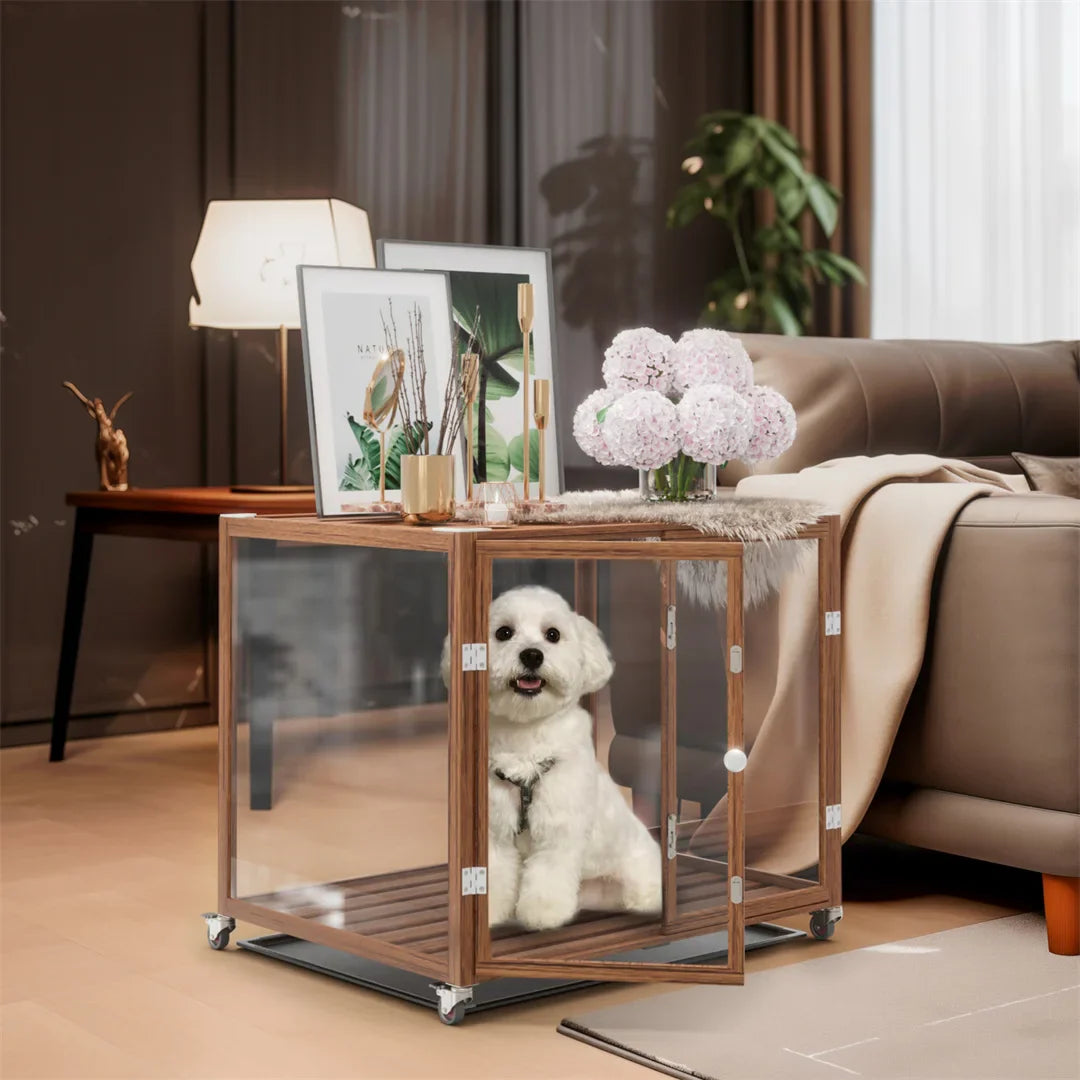
Creating a Positive Post-Crate Environment
Once your dog has successfully transitioned out of regular crate use, focus on maintaining the positive elements the crate provided.
Designated Resting Spots: Dogs still need their own spaces. Whether it's aview this luxurious elevated dog bed option in more detail or a simple cushion in a quiet corner, ensure your dog has somewhere they can retreat when they need peace.
Consistent Routines: The structure that crate training provided shouldn't disappear. Maintain regular feeding times, walk schedules, and bedtime routines. Consistency helps dogs feel secure even without physical boundaries.
Mental Stimulation: Dogs who previously had limited freedom need adequate mental enrichment to prevent boredom-related behaviour problems. Puzzle toys, training sessions, and varied activities keep their minds engaged.
Clear Boundaries: Just because your dog has more freedom doesn't mean "anything goes." Maintain house rules consistently. If sofas were off-limits before, they should remain so unless you consciously decide to change that rule.
Special Considerations for Different Living Situations
Your living environment affects how you approach crate weaning.
Flats and Apartments: Space constraints mean careful management is even more crucial. Start with bathroom or kitchen access before expanding to living areas. Consider neighbours too - unexpected barking during the adjustment period could cause issues.
Homes with Gardens: Dogs with garden access need secure boundaries and reliable recall before being given outdoor freedom unsupervised. Check fencing thoroughly and remember that even well-trained dogs can be tempted by cats, squirrels, or passing dogs.
Multi-Story Homes: Decide whether your dog will have access to stairs and upper floors. Some owners prefer to keep dogs on the ground floor for safety and easier cleanup if accidents occur.
Knowing When to Seek Professional Help
Sometimes despite your careful efforts, the transition doesn't go smoothly. Consider consulting a professional dog trainer or behaviourist if:
- Your dog shows signs of separation anxiety that aren't improving
- Destructive behaviour continues despite adequate exercise and mental stimulation
- House training regression persists beyond a few isolated accidents
- Your dog seems stressed or anxious with increased freedom
Professional guidance can identify issues you might have missed and provide tailored solutions for your specific situation.
Final Thoughts on Crate Weaning
Weaning your dog off the crate is a significant milestone that reflects your dog's maturity and your success as a trainer. However, it's not a race. Some dogs are ready for full freedom at 12 months, whilst others might need another year or more. There's no shame in taking your time or even deciding that some level of crate use works for your household long-term.
Remember that every dog is unique. Your Border Collie might need more time than your neighbour's Labrador. Your rescue dog might progress differently than a puppy you've had since 8 weeks old. Trust your instincts, observe your dog's behaviour carefully, and adjust the timeline as needed.
The goal isn't simply to eliminate crate use - it's to ensure your dog has the freedom they can handle responsibly whilst maintaining the security and structure that helps them thrive. When you get the balance right, you'll have a confident, well-adjusted dog who feels comfortable and safe throughout your home.
Need personalised advice on transitioning your dog out of their crate or finding the right products to support the process? Get in touch with our team - we're always happy to help you navigate this important stage in your dog's life.
Final Verdict
You can phase out a crate once your dog is reliably house-trained, settles calmly and can remain safe in a dog-proofed area. Start with the door open, then offer a small area for short periods and increase freedom gradually. The open crate may remain as an optional bed.
FAQ
Is Your Dog Ready? Signs to Look For?
Before you begin the weaning process, it's essential to honestly assess whether your dog is truly ready for more freedom. Rushing this transition can result in accidents, damaged belongings, and a frustrated dog owner.
What should you know about preparing for the transition?
Before you start opening doors and giving your dog free rein, take time to prepare your home and establish alternative sleeping arrangements.
What should you know about the step-by-step weaning process?
Successful crate weaning happens gradually, not overnight. Here's how to structure the transition for the smoothest results.
What should you know about step 1: open door during supervision (weeks 1-2)?
Begin by leaving the crate door open when you're home and able to supervise. Your dog can come and go as they please, but you're watching to ensure they don't get into trouble. Many dogs will naturally return to their crate for naps, which is perfectly fine.
What should you know about step 2: single room freedom (weeks 3-4)?
Once your dog handles open-door crate time well, progress to giving them freedom in a single, dog-proofed room whilst you're home. The kitchen often works well, as flooring is typically easy to clean if accidents occur.
What should you know about step 3: extended room access (weeks 5-6)?
Your dog can now have freedom in one room for longer stretches - perhaps an hour or two whilst you're doing chores elsewhere in the house. Some owners use baby gates to contain their dog in the approved area without closing doors, which helps dogs feel less isolated.