

Can Crate Training Calm a Hyperactive Dog?
Short Answer
A crate does not treat high energy or hyperactivity. It can provide an optional resting place after a dog’s needs for exercise, sniffing, training and social contact are met. Using confinement to suppress activity risks frustration and distress; sudden or extreme behaviour should be discussed with a vet.
Key Takeaways
- Use crates and kennels as welfare-led management tools, never as punishment.
- Fit, ventilation, temperature, mobility and the dog’s behaviour matter more than product labels.
- Reward voluntary use and reduce difficulty at the first sign of distress.
- Normal access to water, toileting, movement, exercise and social contact must continue.
- Panic, sudden behaviour change or physical discomfort warrants veterinary or qualified behaviour support.
Quick Decision Checklist
| Check | What to look for |
|---|---|
| Purpose | A clear welfare-led use rather than punishment or convenience |
| Fit and setup | Enough room, safe materials, ventilation and a stable location |
| Behaviour | Loose body language, voluntary approach and normal eating |
| Daily needs | Water, toileting, movement, rest and social contact remain available |
| Warning signs | Pain, panic, repeated escape attempts or sudden behaviour change |
Key takeaways
- Hyperactivity often reflects overstimulation, not bad behaviour
- Crate training can teach dogs how to rest and self-regulate
- Exercise alone does not always solve hyperactivity
- Crate setup and timing matter as much as training steps
- Calm routines reduce crate resistance in high-energy dogs
Understanding hyperactivity in dogs
Hyperactive dogs are often labelled as difficult, but the reality is usually more complex. Many dogs become overactive because they are overstimulated, overtired, or inconsistent routines leave them unsure of what is expected.
Puppies, adolescents, working breeds, and rescue dogs commonly fall into this category. Without structured rest, these dogs may pace, jump, bark, or struggle to settle even after exercise.
Crate training is not about containing energy. It is about teaching the dog that rest is part of their daily rhythm.
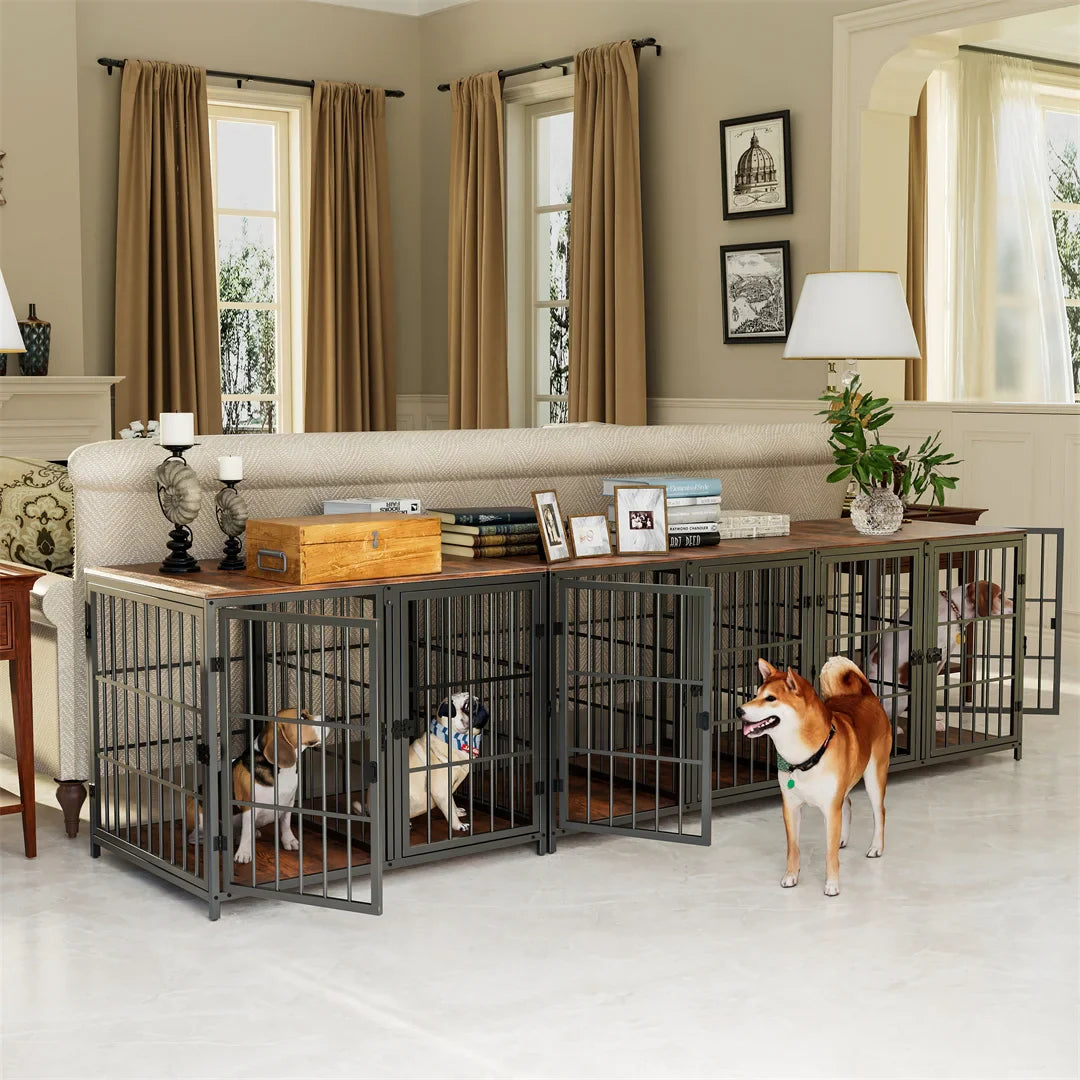
Why crates can help hyperactive dogs
Dogs do not automatically know how to relax. Hyperactive dogs often need guidance to learn when play ends and rest begins.
A crate provides:
- A predictable place to decompress
- Fewer environmental triggers
- Clear boundaries around rest time
When used calmly and consistently, the crate becomes a cue for relaxation rather than confinement.
Common concerns about crating energetic dogs
Many owners worry that putting a hyperactive dog in a crate will increase frustration. This can happen if crate use is rushed or poorly timed.
Crates are not effective if:
- The dog has not had enough mental or physical stimulation
- The crate is uncomfortable or too small
- Crate time replaces exercise or interaction
When these factors are addressed, crate time often reduces frantic behaviour rather than intensifying it.
Getting the timing right
Timing is one of the most important elements of crate training for hyperactive dogs. Placing a dog in a crate at peak excitement almost always leads to resistance.
Crate sessions work best when they follow:
- Walks
- Training sessions
- Structured play
If you struggle with timing, understanding crate fundamentals can help. Our article on common mistakes made when crate training puppies highlights errors that also apply to energetic adult dogs.
Creating a calm crate environment
A crate environment that feels stimulating or uncomfortable will not support rest.
Crate type and structure
Hyperactive dogs benefit from crates that feel secure and stable. Excess movement, rattling doors, or flexible panels can increase arousal.
Our dog crate collection includes sturdy options designed to reduce noise and movement, which can help sensitive or excitable dogs settle more easily.
For dogs that push boundaries, reinforced designs such as the 2-in-1 large heavy-duty metal dog cage with removable divider provide structure without restricting airflow.
Bedding and comfort
Comfort is essential for relaxation. Hard crate floors encourage fidgeting and repositioning, which can escalate into restlessness.
Supportive bedding helps the body relax, making it easier for the mind to follow. Many owners choose durable options like the waterproof orthopaedic dog bed for crate use, which balances comfort with easy cleaning.
Avoid overfilling the crate. Too many items can increase stimulation rather than reduce it.
Managing energy before crate time
Exercise is important, but more is not always better. Over-exercising can actually increase arousal in some dogs, especially young or working breeds.
Balanced energy outlets include:
- Structured walks rather than chaotic play
- Short training sessions that require focus
- Puzzle feeders or scent games
Mental fatigue often helps hyperactive dogs settle more effectively than physical exhaustion alone.
Teaching calm crate entry
How a dog enters the crate matters. If crate time feels rushed or forced, resistance builds quickly.
Helpful techniques include:
- Rewarding calm approaches to the crate
- Asking for a sit or pause before entry
- Keeping entry low-key rather than exciting
The goal is for the crate to signal calm, not anticipation.
If your dog resists confinement, understanding the purpose of crates can help reset expectations. Our guide on the differences between crates, cages, and kennels explains how each setup supports different needs.

Avoiding overstimulation inside the crate
It can be tempting to load the crate with toys to occupy an energetic dog. In some cases, this backfires.
Chew items can help some dogs settle, but squeaky toys or high-arousal objects often keep the dog alert.
For hyperactive dogs, the crate should feel quiet and predictable rather than entertaining.
Using crate time proactively, not reactively
One of the biggest mistakes owners make is using the crate only when behaviour becomes unmanageable. This teaches the dog that the crate appears when things go wrong.
Instead, crate time should be part of the routine, built in before behaviour escalates. Predictable rest periods help dogs learn self-regulation over time.
If your dog struggles with night-time rest, understanding crate design can help. Our article on wire versus wooden dog crates in UK homes explores how materials influence noise and stimulation levels.
Supporting calm behaviour outside the crate
Crate training alone will not manage hyperactivity if the rest of the day lacks structure. Calm behaviour outside the crate should be rewarded and reinforced.
Simple practices include:
- Encouraging settled behaviour on mats or beds
- Ignoring attention-seeking jumping
- Rewarding moments of calm
The crate works best as part of a broader calmness strategy rather than a standalone solution.
When crate training is not enough
Some dogs struggle to settle even with well-managed crate routines. This does not mean crate training has failed.
In these cases, additional support such as behaviour guidance or environmental changes may be helpful. Crates should never be used to suppress distress.
For dogs that need more movement space during rest periods, some owners combine crate use with pen setups from our dog playpen and exercise pen collection to allow limited movement without overstimulation.
How Paw Comfort supports high-energy dogs
We focus on practical solutions that help dogs rest as well as play, because both are essential to wellbeing.
If you are unsure which crate or setup suits your dog’s energy level, our team is always happy to help you explore your options.
Final thoughts
Managing hyperactive dogs is not about reducing their personality. It is about teaching balance. Crate training, when used thoughtfully, can help energetic dogs learn how to rest, reset, and feel secure.
With the right timing, setup, and expectations, crates become tools for calm rather than sources of frustration.
If you would like tailored advice or help choosing the right crate setup for a high-energy dog, we are here to support you.
Speak to the Paw Comfort team:
Contact Paw Comfort
Final Verdict
A crate does not treat high energy or hyperactivity. It can provide an optional resting place after a dog’s needs for exercise, sniffing, training and social contact are met. Using confinement to suppress activity risks frustration and distress; sudden or extreme behaviour should be discussed with a vet.
FAQ
What should you know about key takeaways hyperactivity often reflects overstimulation, not bad behaviour crate training can teach dogs how to rest and self-regulate exercise alone does not always solve hyperactivity crate setup and timing matter as much as training steps calm routines reduce crate resistance in high-energy dogs understanding hyperactivity in dogs?
Hyperactive dogs are often labelled as difficult, but the reality is usually more complex. Many dogs become overactive because they are overstimulated, overtired, or inconsistent routines leave them unsure of what is expected.
Why crates can help hyperactive dogs?
Dogs do not automatically know how to relax. Hyperactive dogs often need guidance to learn when play ends and rest begins.
What should you know about common concerns about crating energetic dogs?
Many owners worry that putting a hyperactive dog in a crate will increase frustration. This can happen if crate use is rushed or poorly timed.
What should you know about getting the timing right?
Timing is one of the most important elements of crate training for hyperactive dogs. Placing a dog in a crate at peak excitement almost always leads to resistance.
What should you know about creating a calm crate environment?
A crate environment that feels stimulating or uncomfortable will not support rest.
What should you know about crate type and structure?
Hyperactive dogs benefit from crates that feel secure and stable. Excess movement, rattling doors, or flexible panels can increase arousal.