

How to Create a Pet-Safe Small Garden
Short Answer
Create a safer small garden by securing boundaries and gates, removing toxic plants and chemicals, providing shade and water, checking escape gaps and supervising introductions. Cats and dogs need different containment plans, and no garden is a substitute for appropriate exercise and enrichment.
Key Takeaways
- Adapt care to the individual animal’s age, health, behaviour and environment.
- Use reward-based training and introduce change gradually.
- Check product dimensions, materials and instructions rather than relying on labels.
- Monitor for pain, fear, appetite changes or other signs that need professional advice.
- Prioritise welfare and practical daily routines over quick fixes.
Quick Decision Checklist
| Check | What to look for |
|---|---|
| Purpose | A clear welfare-led use rather than punishment or convenience |
| Fit and setup | Enough room, safe materials, ventilation and a stable location |
| Behaviour | Loose body language, voluntary approach and normal eating |
| Daily needs | Water, toileting, movement, rest and social contact remain available |
| Warning signs | Pain, panic, repeated escape attempts or sudden behaviour change |
Key Takeaways
- Small gardens can be safe and enriching with the right structure and setup
- Strong boundaries and defined zones help prevent escape and reduce stress
- Comfortable resting areas improve how pets use outdoor space
- Dogs and cats need different layouts to feel secure outdoors
- Consistency and supervision are key to long-term safety and behaviour
Creating a safe outdoor space in a small garden is not simply about adding fencing or letting your pet roam freely. In compact spaces, every detail matters. The way your garden is structured directly affects how your dog or cat behaves, relaxes, and responds to the environment around them.
For many UK households, outdoor space is limited, but that does not mean it cannot be safe, comfortable, and genuinely useful for pets. With the right approach, even a small garden can become a calm extension of your home.
Why Small Gardens Need a Different Approach
In larger outdoor areas, pets naturally spread out, explore, and regulate their behaviour through movement. In smaller gardens, that space is compressed. This means pets are more exposed to boundaries, noise, and external triggers.
Dogs may feel confined and become restless, while cats may look for ways to climb or escape. Without proper planning, a small garden can unintentionally increase stress rather than reduce it.
This is why structure is essential. A well-organised space creates clarity for your pet. It shows them where they can rest, where they can move, and where they feel safe.
Start with Secure Boundaries
Before thinking about comfort or enrichment, security must come first.
Check your garden carefully for:
- Gaps under fences
- Weak or flexible panels
- Objects placed near boundaries that could be used for climbing
Dogs may push through or test weak spots, especially when excited or anxious. Cats are more likely to climb or jump, so height and surface texture matter just as much as strength.
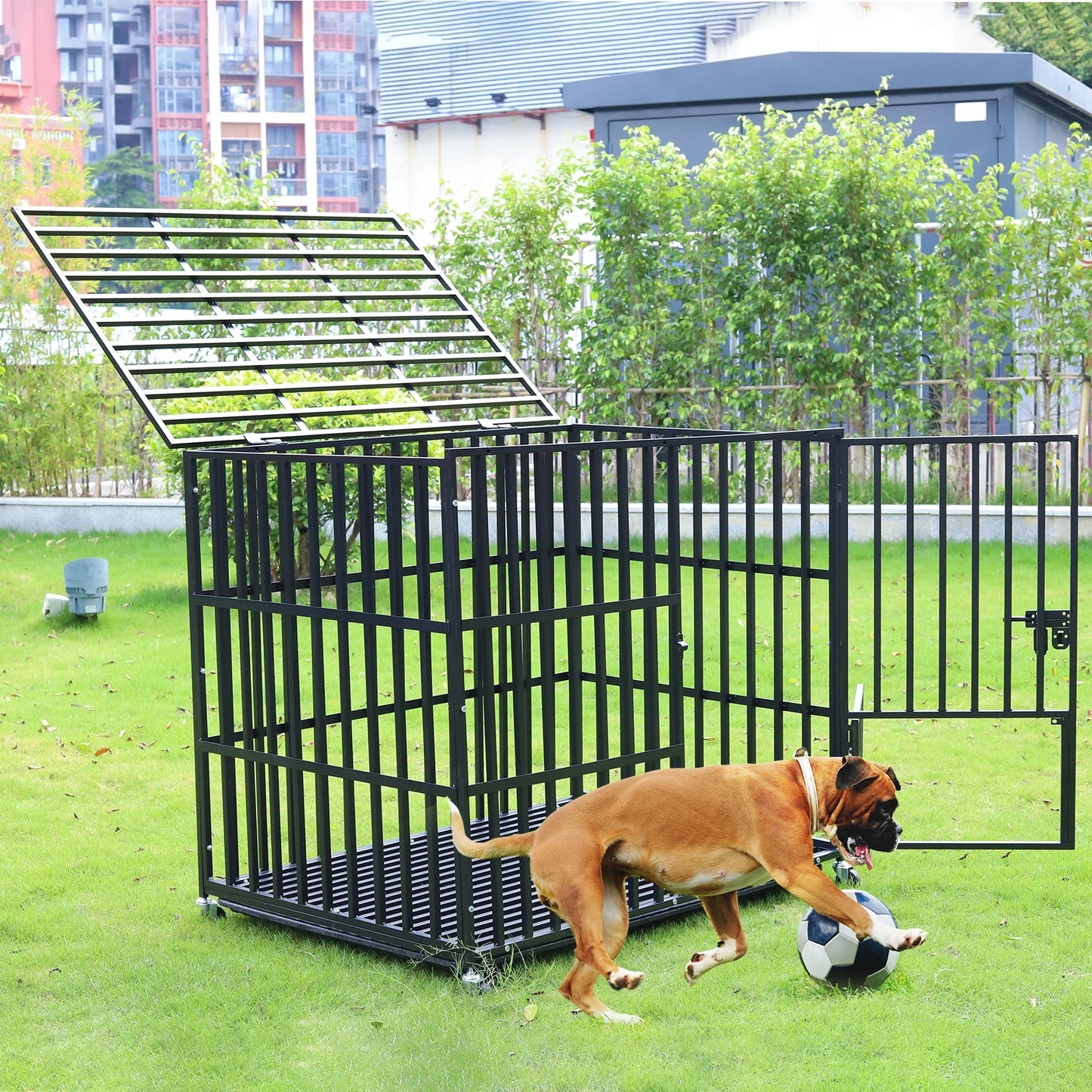
For additional control, many owners find it helpful to create a contained area using structured setups. A solution like this heavy-duty outdoor dog playpen with secure panels can define a safe zone within your garden, especially where full perimeter upgrades are not practical.
Create a Defined Outdoor Zone
Giving pets access to the entire garden is not always the most effective approach. In smaller spaces, a defined area often works better.
This could be:
- A quiet corner near the house
- A sectioned-off area with clear boundaries
- A consistent space used daily for rest and play
Dogs respond particularly well to structure. When they understand their space, they tend to settle more easily rather than pacing or reacting to everything around them.
If you are setting up a structured outdoor area for the first time, our guide on building a simple and effective dog pen setup explains how layout affects behaviour.
Cats, on the other hand, prefer flexibility. Instead of defining one space, it is better to support multiple small zones where they can choose to rest or hide.
Make Comfort a Priority
A safe space is not truly effective unless your pet wants to use it.
Outdoor areas should include:
- A comfortable resting surface
- Protection from hard or damp ground
- Familiar textures that your pet recognises
Dogs, in particular, benefit from having a consistent resting spot. A familiar bed used both indoors and outdoors helps create continuity. An option like this all-season calming dog bed with removable Oxford cover provides a reliable place for your dog to settle, even when the environment changes.
For cats, enclosed comfort is often more effective. A sheltered option like this wooden cat cave bed with cushion pad gives them a place to retreat while still observing their surroundings.
Add Shade and Shelter
Even in mild UK weather, exposure can affect how comfortable your pet feels outdoors.
Your setup should include:
- A shaded area away from direct sunlight
- A dry space during rain
- Protection from wind in exposed gardens
Without these, pets may avoid the space altogether. Over time, this reduces the usefulness of your outdoor setup.
Use Structure to Improve Behaviour
Small gardens can sometimes increase unwanted behaviour such as barking, pacing, or attempts to escape. This is often not due to lack of training, but lack of structure.
Dogs in particular benefit from predictable environments. As we explain in our article on managing energetic dogs through structured routines, clear boundaries and consistent spaces help reduce overstimulation.
This principle applies outdoors as well. When your dog knows where to rest and where to move, they are less likely to react to every external trigger.
Avoid Overcrowding the Space
It can be tempting to fill a small garden with toys, equipment, or obstacles. In reality, too many elements can overwhelm pets.
Instead, focus on:
- A few well-placed features
- Clear walking and resting areas
- Open space for movement
Cats benefit from vertical options, while dogs benefit more from ground-level structure and routine.
Consider Separate Zones for Dogs and Cats
If you have both dogs and cats, separation becomes more important in a smaller garden.
Each pet should have:
- Their own resting space
- A retreat area where they cannot be disturbed
- Enough distance to avoid tension
Shared spaces without boundaries can create stress, especially if one pet feels unable to escape the other.
Support Daily Routine
A safe outdoor space should fit naturally into your pet’s daily routine.
This includes:
- Regular access times
- Consistent layout
- Familiar objects
Routine helps pets feel secure. Over time, they begin to associate the space with calm behaviour rather than excitement or stress.
For a broader look at how routine shapes behaviour, our guide on how consistent daily structure supports calmer dogs offers useful insights.
Choosing the Right Products for Small Gardens
The right products can make a noticeable difference, especially in limited spaces.
We often recommend starting with essentials from our dog playpen collection for structured outdoor spaces and adding comfort through options in our dog bed collection for everyday use.
The goal is not to fill the space, but to support how your pet naturally behaves within it.
At Paw Comfort, We Focus on Real Living Environments
By combining structure, comfort, and consistency, even a small garden can become a safe and enjoyable space for your pet.

Speak to the Paw Comfort Team
If you would like help choosing the right setup for your garden or selecting products suited to your pet’s needs, we are here to help.
👉 Contact our team here
Final Verdict
Create a safer small garden by securing boundaries and gates, removing toxic plants and chemicals, providing shade and water, checking escape gaps and supervising introductions. Cats and dogs need different containment plans, and no garden is a substitute for appropriate exercise and enrichment.
FAQ
What should you know about start with secure boundaries?
Before thinking about comfort or enrichment, security must come first.
What should you know about create a defined outdoor zone?
Giving pets access to the entire garden is not always the most effective approach. In smaller spaces, a defined area often works better.
What should you know about make comfort a priority?
A safe space is not truly effective unless your pet wants to use it.
What should you know about add shade and shelter?
Even in mild UK weather, exposure can affect how comfortable your pet feels outdoors.
What should you know about use structure to improve behaviour?
Small gardens can sometimes increase unwanted behaviour such as barking, pacing, or attempts to escape. This is often not due to lack of training, but lack of structure.
What should you know about avoid overcrowding the space?
It can be tempting to fill a small garden with toys, equipment, or obstacles. In reality, too many elements can overwhelm pets.