

How to Combine Crate and Playpen Training
Short Answer
A crate-and-playpen setup can work well when the crate remains an open resting area and the pen provides room for movement, water and supervised enrichment. It does not make long absences automatically appropriate, and both spaces must be introduced gradually.
Key Takeaways
- Use crates and kennels as welfare-led management tools, never as punishment.
- Fit, ventilation, temperature, mobility and the dog’s behaviour matter more than product labels.
- Reward voluntary use and reduce difficulty at the first sign of distress.
- Normal access to water, toileting, movement, exercise and social contact must continue.
- Panic, sudden behaviour change or physical discomfort warrants veterinary or qualified behaviour support.
Quick Decision Checklist
| Check | What to look for |
|---|---|
| Purpose | A clear welfare-led use rather than punishment or convenience |
| Fit and setup | Enough room, safe materials, ventilation and a stable location |
| Behaviour | Loose body language, voluntary approach and normal eating |
| Daily needs | Water, toileting, movement, rest and social contact remain available |
| Warning signs | Pain, panic, repeated escape attempts or sudden behaviour change |
Key Takeaways
- Crates and playpens serve different but complementary purposes in training.
- Combining both can support structure, independence and safety.
- Success depends on gradual introduction and consistent routines.
- The right size and setup reduce stress and confusion.
- At Paw Comfort, we focus on safe, comfortable solutions that support confident dogs and calm homes.
Many UK dog owners ask the same question: should I use a crate, a playpen, or both?
It is a fair concern. Crate training has clear benefits, but so does providing a slightly larger enclosed area. The truth is that combining crate and playpen training can work very well when introduced thoughtfully.

Understanding the Difference First
Before combining them, it is important to understand the roles of each.
A crate is typically used for:
- Sleep
- Structured rest
- Travel
- Short-term confinement
A playpen is used for:
- Daytime management
- Supervised independence
- Controlled play
- Gradual freedom
If you are unsure about how these structures differ, our detailed explanation of crates, cages and kennels clarifies which setup suits different needs:
our detailed explanation of crates, cages and kennels
When you understand the purpose of each, combining them becomes more logical.
Does Combining Crate and Playpen Training Actually Work?
Yes, when done correctly.
The crate provides:
- A secure den-like space
- Clear sleep signals
- Strong house training support
The playpen provides:
- Room to move
- Access to toys
- Controlled independence
Together, they create structure without overwhelming restriction.
However, the key is progression, not immediate overlap.
When Is It Most Useful?
Combining both tools is particularly helpful for:
- Puppies
- High-energy breeds
- Dogs adjusting to a new home
- Multi-dog households
For puppies especially, many owners begin with a pen during the day and use a crate at night.
If you are still deciding when structured confinement is appropriate, our practical discussion about leaving dogs confined while out of the house provides balanced context:
our practical discussion about leaving dogs confined while out of the house
Routine is everything.
Choosing the Right Equipment
The success of combined training depends heavily on choosing suitable products.
For structured rest, explore our dog crate collection, which includes sizes suitable for small, medium and large breeds.
A versatile option such as theview this 2-in-1 large heavy duty metal dog cage with removable divider option in more detail allows adjustable space as your dog grows.
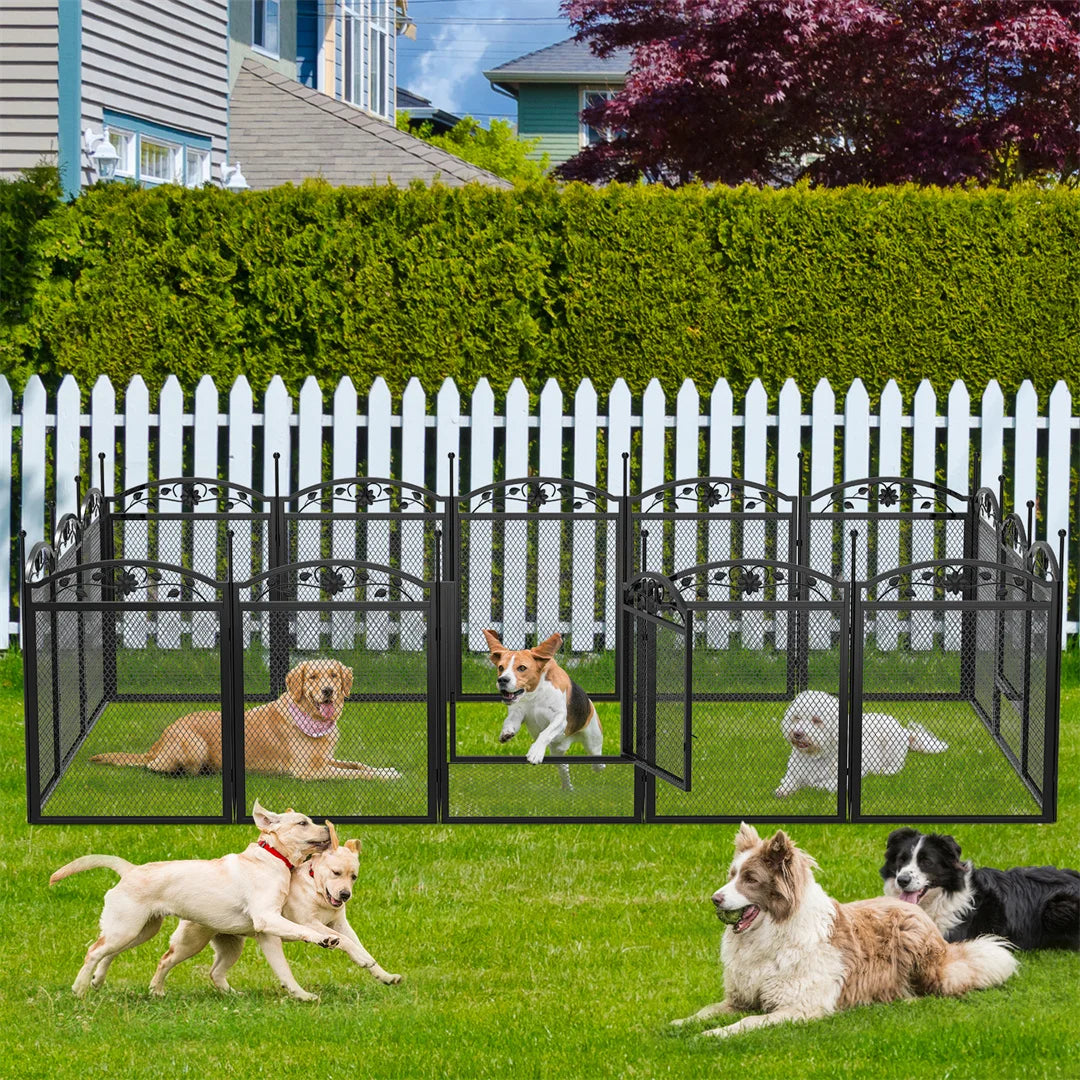
For daytime boundaries, our dog playpen range offers modular systems that can be shaped to suit your living space.
Theview this tempered glass pet whelping box with waterproof pad option in more detail provides clear visibility and secure containment, which can help puppies feel connected rather than isolated.
Appropriate sizing is essential. If you are unsure how to measure correctly, our guide on selecting the right crate dimensions offers practical measurement advice:
our guide on selecting the right crate dimensions
How to Combine Them Properly
Step 1: Establish Positive Crate Training First
Introduce the crate as a calm sleeping area.
Focus on:
- Short sessions
- Positive reinforcement
- Consistent bedtime routines
Our guidance on making crates a positive environment explains how to avoid turning them into a punishment:
guidance on making crates a positive environment
Only when your dog is comfortable resting inside the crate should you expand to playpen use.
Step 2: Introduce the Playpen as a Separate Space
The playpen should feel like an extension of freedom, not confinement.
Inside the pen include:
- A supportive bed
- Water
- Safe enrichment toys
Allow your dog to explore the pen voluntarily before closing gates.
Step 3: Use Each Space for Its Intended Purpose
Avoid mixing signals.
- Crate for rest and sleep
- Playpen for calm play and short independent sessions
Clear distinctions help dogs understand expectations.
Common Mistakes When Combining Both
- Using both too early without proper introduction
- Leaving dogs confined for excessive periods
- Placing crate and pen in noisy or high-traffic areas
- Ignoring signs of stress
Dogs communicate discomfort through pacing, whining or attempts to escape.
If your dog shows anxiety during crate use, our behavioural advice on supporting older dogs with crate training may offer additional perspective:
behavioural advice on supporting older dogs with crate training
Even though that article focuses on older dogs, the underlying training principles apply broadly.
Is It Confusing for the Dog?
When introduced gradually, most dogs adapt well.
Dogs respond to routine more than furniture. If the crate always signals rest and the playpen signals short independent time, confusion is unlikely.
Consistency matters more than the number of tools.
Indoor Setup Considerations for UK Homes
Space can be limited in UK flats and semi-detached homes.
To optimise layout:
- Position the crate in a quiet corner
- Place the playpen in a visible but calm area
- Ensure ventilation and natural light
- Avoid blocking pathways
Thoughtful placement reduces overstimulation and promotes calm behaviour.
When Should You Transition Away From One?
As your dog matures, you may:
- Reduce playpen use
- Keep the crate for travel
- Phase out daytime confinement
Our practical step-by-step advice on gradually reducing crate reliance can guide that transition safely:
our practical step-by-step advice on gradually reducing crate reliance
Training is always evolving.
Final Thoughts
Combining crate and playpen training can work extremely well when introduced thoughtfully and used consistently.
The crate provides structure and security. The playpen provides managed freedom. Together, they support independence, safety and balanced development.
If you would like personalised guidance on selecting the right crate and playpen combination for your dog and living space, please contact us here:
https://pawcomfort.co.uk/pages/contact
We are always happy to help you build a safe and confident routine for your pet.
Final Verdict
A crate-and-playpen setup can work well when the crate remains an open resting area and the pen provides room for movement, water and supervised enrichment. It does not make long absences automatically appropriate, and both spaces must be introduced gradually.
FAQ
What should you know about key takeaways crates and playpens serve different but complementary purposes in training. combining both can support structure, independence and safety. success depends on gradual introduction and consistent routines. the right size and setup reduce stress and confusion. at paw comfort , we focus on safe, comfortable solutions that support confident dogs and calm homes. many uk dog owners ask the same question: should i use a crate, a playpen, or both? it is a fair concern. crate training has clear benefits, but so does providing a slightly larger enclosed area. the truth is that combining crate and playpen training can work very well when introduced thoughtfully. understanding the difference first?
Before combining them, it is important to understand the roles of each.
Does Combining Crate and Playpen Training Actually Work??
Yes, when done correctly.
When Is It Most Useful??
Combining both tools is particularly helpful for:
What should you know about choosing the right equipment?
The success of combined training depends heavily on choosing suitable products.
How to Combine Them Properly Step 1: Establish Positive Crate Training First Introduce the crate as a calm sleeping area. Focus on: Short sessions Positive reinforcement Consistent bedtime routines Our guidance on making crates a positive environment explains how to avoid turning them into a punishment: guidance on making crates a positive environment Only when your dog is comfortable resting inside the crate should you expand to playpen use. Step 2: Introduce the Playpen as a Separate Space The playpen should feel like an extension of freedom, not confinement. Inside the pen include: A supportive bed Water Safe enrichment toys Allow your dog to explore the pen voluntarily before closing gates. Step 3: Use Each Space for Its Intended Purpose Avoid mixing signals. Crate for rest and sleep Playpen for calm play and short independent sessions Clear distinctions help dogs understand expectations. Common Mistakes When Combining Both Using both too early without proper introduction Leaving dogs confined for excessive periods Placing crate and pen in noisy or high-traffic areas Ignoring signs of stress Dogs communicate discomfort through pacing, whining or attempts to escape. If your dog shows anxiety during crate use, our behavioural advice on supporting older dogs with crate training may offer additional perspective: behavioural advice on supporting older dogs with crate training Even though that article focuses on older dogs, the underlying training principles apply broadly. Is It Confusing for the Dog??
When introduced gradually, most dogs adapt well.
What should you know about indoor setup considerations for uk homes?
Space can be limited in UK flats and semi-detached homes.