

How to Keep Pets Occupied While You Work
Short Answer
Keep pets occupied during work hours with appropriate exercise, predictable toilet and feeding routines, safe rotating enrichment and arranged human care when needed. Toys and confinement do not make a full working day alone suitable for every dog or cat.
Key Takeaways
- Adapt care to the individual animal’s age, health, behaviour and environment.
- Use reward-based training and introduce change gradually.
- Check product dimensions, materials and instructions rather than relying on labels.
- Monitor for pain, fear, appetite changes or other signs that need professional advice.
- Prioritise welfare and practical daily routines over quick fixes.
Quick Decision Checklist
| Check | What to look for |
|---|---|
| Purpose | A clear welfare-led use rather than punishment or convenience |
| Fit and setup | Enough room, safe materials, ventilation and a stable location |
| Behaviour | Loose body language, voluntary approach and normal eating |
| Daily needs | Water, toileting, movement, rest and social contact remain available |
| Warning signs | Pain, panic, repeated escape attempts or sudden behaviour change |
Key Takeaways
- Pets need structure, not constant stimulation, when left alone
- A secure and familiar environment reduces boredom and stress
- Mental enrichment is just as important as physical activity
- Small adjustments at home can significantly improve behaviour
- Consistency helps pets feel safe even when you are not there
Leaving your pet at home while you go to work is part of everyday life for many UK households. The concern is not just whether they are safe, but whether they are comfortable, calm, and mentally engaged throughout the day.
Pets do not need constant activity to stay content. In fact, too much stimulation can sometimes lead to restlessness. What they need instead is a balanced environment where they can rest, explore, and settle naturally.
Understanding Boredom in Pets
Boredom in pets is often misunderstood. It is not simply about having nothing to do. It is about a lack of structure, unpredictability, or unmet needs.
Dogs may respond to boredom by:
- Barking or whining
- Chewing furniture
- Pacing or restlessness
Cats may respond differently:
- Sleeping excessively
- Becoming withdrawn
- Scratching or knocking objects
The goal is not to eliminate all quiet time. It is to create an environment where your pet can settle comfortably without feeling stressed or under-stimulated.
Start with a Secure and Defined Space
Before adding toys or activities, it is important to create a safe and structured environment.
This might include:
- A designated resting area
- Clear boundaries within the home
- A consistent layout
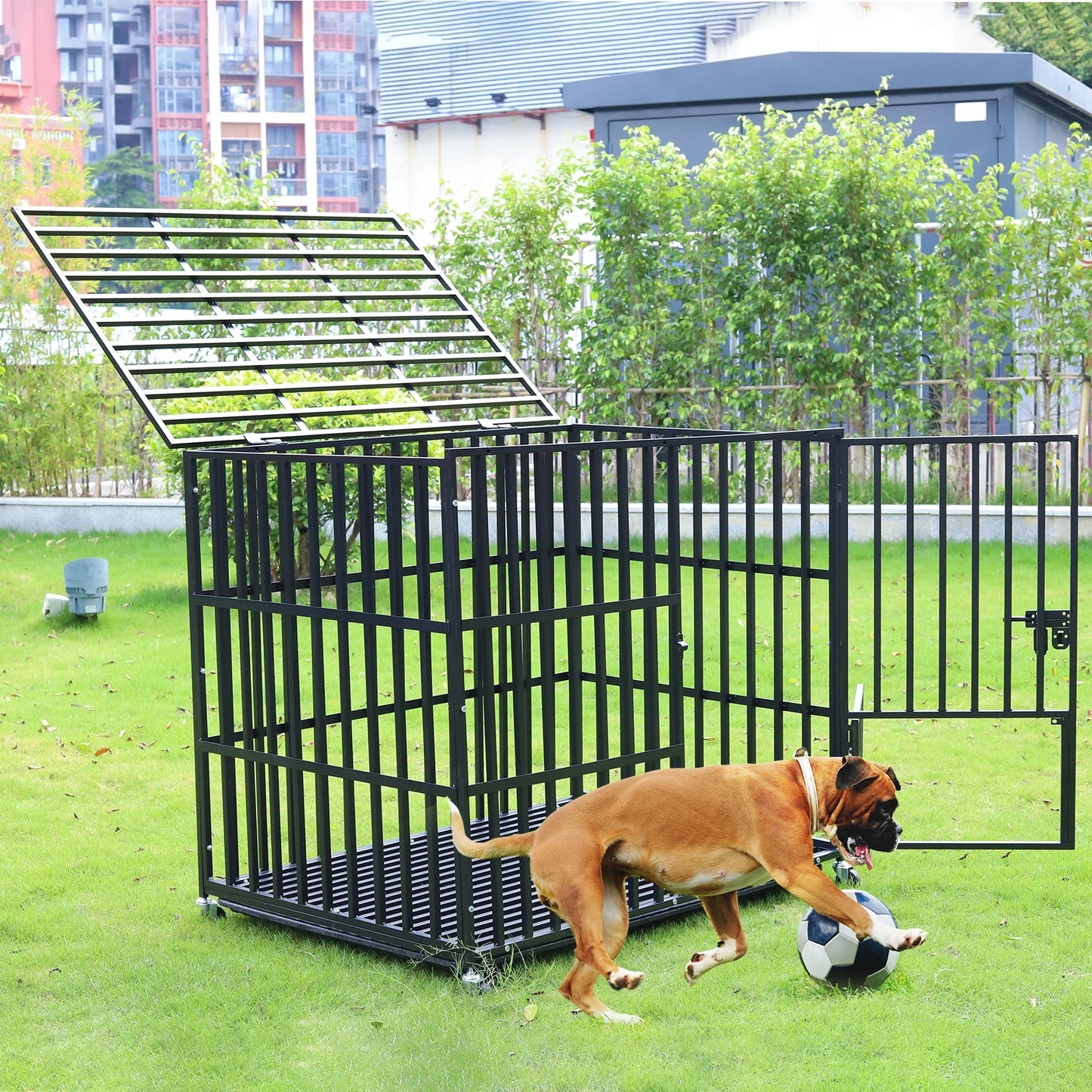
Dogs, in particular, benefit from defined spaces. A structured setup helps reduce wandering and anxiety.
For example, options from our indoor dog playpen collection for safe and structured spaces can help create a controlled environment where your dog feels secure rather than confined.
If you are setting up a space for the first time, our guide on choosing the right enclosure for your dog’s needs explains how different setups influence behaviour.
Make Rest Comfortable and Consistent
One of the most important elements of keeping pets content while you are away is providing a comfortable place to rest.
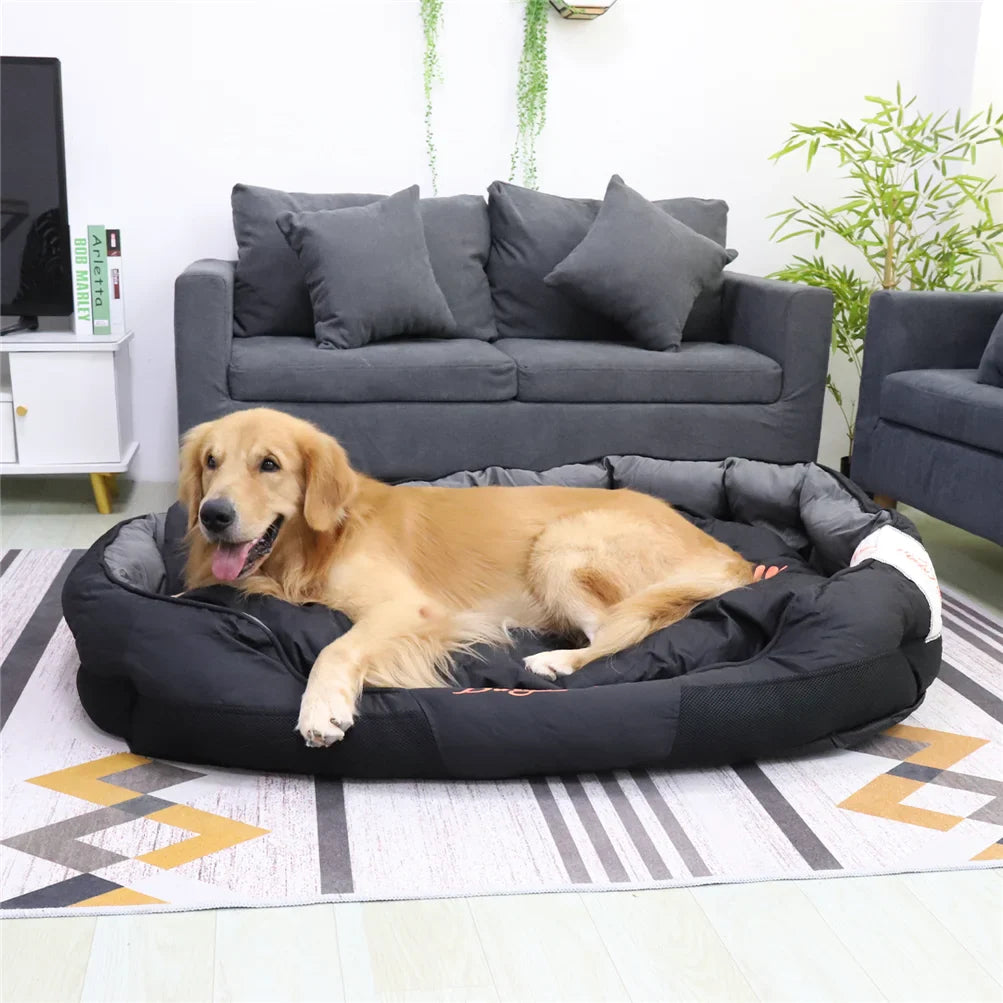
Pets spend a significant portion of the day sleeping, especially when alone. A supportive and familiar resting space helps them relax more easily.
A product like this large calming dog bed with removable Oxford cover for everyday use offers a consistent surface that your dog can associate with rest.
Cats also benefit from having a defined sleeping area. Enclosed or slightly elevated options within our cat bed collection for secure resting spaces can help them feel protected and settled.
Rotate, Don’t Overload Toys
It is easy to assume that more toys mean more engagement, but too many options can overwhelm pets.
Instead:
- Provide a small number of toys
- Rotate them every few days
- Focus on quality over quantity
This keeps the environment interesting without overstimulation.
Use Mental Enrichment, Not Just Physical Activity
Mental stimulation is often more effective than physical activity when you are not at home.
Simple enrichment ideas include:
- Puzzle feeders
- Hidden treats
- Safe chew items
These encourage natural behaviours such as problem-solving and exploration.
Maintain a Predictable Routine
Pets respond strongly to routine.
A consistent daily pattern helps them understand:
- When you leave
- When you return
- When they can expect activity
Before leaving, it helps to:
- Provide a short walk or play session
- Allow time to settle
- Avoid creating excitement around departure
As we explain in our guide on how routine influences calmer behaviour in dogs, predictability reduces anxiety and supports better behaviour over time.
Create a Calm Environment
The atmosphere of your home also affects how your pet behaves when alone.
Consider:
- Leaving soft background noise such as a radio
- Minimising sudden loud sounds
- Keeping lighting consistent
A calm environment helps pets settle rather than remain alert or anxious.
Support Independence Gradually
Pets that are not used to being alone may need time to adjust.
Gradual steps can help:
- Short absences at first
- Increasing time slowly
- Reinforcing calm behaviour
For pets that struggle with separation, structured environments can help. Our article on supporting dogs through separation and training adjustments explains how gradual exposure builds confidence.
Consider Movement Support for Low-Energy Pets
Not all pets need constant movement. Some may benefit from gentle support, especially if they are older or less active.
Options like this foldable pet stroller with mesh windows for safe mobility and rest can be useful outside working hours to maintain routine without overexertion.
For multi-pet households, a setup like this dual pet stroller with divider for two dogs or cats provides flexibility while keeping pets comfortable.
We explore how mobility support fits into everyday life in our guide on why more UK pet owners are choosing prams for daily routines.
Avoid Overcomplicating the Setup
A common mistake is trying to create constant entertainment.
In reality, most pets:
- Sleep for several hours
- Wake for short periods
- Return to rest
The goal is not constant activity, but a balanced environment where these natural patterns can occur comfortably.
Small Adjustments That Make a Difference
Sometimes the smallest changes have the biggest impact.
This might include:
- Moving a bed to a quieter location
- Reducing access to overstimulating areas
- Adding a familiar item to the space
Over time, these adjustments create a stable environment that your pet can rely on.
At Paw Comfort, We Focus on Everyday Living
By combining structure, comfort, and routine, you can create a space where your pet feels secure throughout the day.
Speak to the Paw Comfort Team
If you would like help creating a better home setup for your pet or choosing products that support their daily routine, we are here to help.
👉 Contact our team here
Final Verdict
Keep pets occupied during work hours with appropriate exercise, predictable toilet and feeding routines, safe rotating enrichment and arranged human care when needed. Toys and confinement do not make a full working day alone suitable for every dog or cat.
FAQ
What should you know about start with a secure and defined space?
Before adding toys or activities, it is important to create a safe and structured environment.
What should you know about make rest comfortable and consistent?
One of the most important elements of keeping pets content while you are away is providing a comfortable place to rest.
What should you know about rotate, don’t overload toys?
It is easy to assume that more toys mean more engagement, but too many options can overwhelm pets.
What should you know about use mental enrichment, not just physical activity?
Mental stimulation is often more effective than physical activity when you are not at home.
What should you know about maintain a predictable routine?
Pets respond strongly to routine.
What should you know about create a calm environment?
The atmosphere of your home also affects how your pet behaves when alone.