

How to Keep Pets Calm During Fireworks and Storms
Short Answer
Prepare for fireworks and storms before they begin: provide a familiar safe area, close curtains, mask sound, keep identification current and allow the pet to hide. Do not punish fear or force interaction. Severe or worsening noise fear needs veterinary and qualified behaviour support.
Key Takeaways
- Noise anxiety from fireworks and storms is genuinely distressing for many dogs and cats, and preparation makes a measurable difference
- Creating a secure, familiar resting area before a noise event is one of the most practical steps an owner can take
- Pheromone products, sound desensitisation, and environmental management all have a supporting role but work best alongside a safe physical space
- Cats and dogs respond to noise differently and benefit from slightly different approaches
- If a pet's anxiety is severe or worsening, veterinary support should be sought before the next anticipated noise event rather than during it
For many UK pet owners, the period around Bonfire Night is one of the most stressful times of year, and not just for the pets. Watching a dog pace and pant through several hours of fireworks, or trying to locate a cat that has wedged itself somewhere completely inaccessible, is difficult to manage even when you know it is coming. Add in unpredictable summer thunderstorms, New Year fireworks, and the occasional local display with no advance warning, and noise anxiety becomes a recurring challenge across multiple points in the year.
The responses pets show to sudden, loud, or sustained noise are stress responses. They are not naughtiness, attention-seeking, or behaviour that can be corrected through training alone in the moment. Understanding that helps owners respond more effectively, because the goal shifts from managing behaviour to managing the environment and supporting the animal through something they find genuinely frightening.
Why Fireworks and Storms Affect Pets So Strongly
Dogs and cats both have significantly more sensitive hearing than humans. Frequencies and volumes that fall within a manageable range for people can be substantially more intense from a pet's perspective. Fireworks in particular combine sudden loud sound with unpredictable timing, bright flashes, and unfamiliar smells from smoke, all of which contribute simultaneously to a stress response.
Thunderstorms add barometric pressure changes and static electricity to this picture, which some animals appear to respond to even before the audible thunder begins. This explains why some dogs become anxious well before a storm is audible to their owners.
The stress response itself, which may manifest as panting, pacing, hiding, vocalising, attempting to escape, destructive behaviour, or toileting indoors, is a physiological reaction to perceived threat. It is not something a pet chooses or can simply be reassured out of in the moment, though calm owner behaviour does play a role in not amplifying it further.
Repeated exposure to noise events without support can increase sensitivity over time rather than reducing it, which is why addressing noise anxiety proactively tends to produce better outcomes than waiting for it to resolve on its own.
Start Preparation Before the Event, Not During It
The most effective noise anxiety management happens in advance. By the time fireworks are going off outside, the window for preparation has largely passed.
Know Your Calendar
In the UK, the main predictable noise events are Bonfire Night (around 5 November, though displays often span the surrounding week), New Year's Eve, Diwali, and local summer events. Note these in advance and begin preparation at least two to three weeks beforehand where possible.
Thunderstorms are less predictable, but weather forecasts typically provide a day or two of notice for significant storm activity. Getting into the habit of checking the forecast during spring and summer means fewer situations where a storm arrives with no preparation time.
Build or Refresh a safe resting area in Advance
Offer dogs a familiar hiding or resting area that remains accessible before, during and after the noise. An open crate may be one option for a dog who already chooses it voluntarily, but do not shut a frightened dog inside or introduce confinement for the first time during the event.
If your dog does not currently use a crate, starting the habituation process well before anticipated noise events gives them time to build positive associations with that space. Covering three sides with a blanket during noise events reduces visual stimulation and creates a more enclosed, den-like feeling that many dogs find calming.
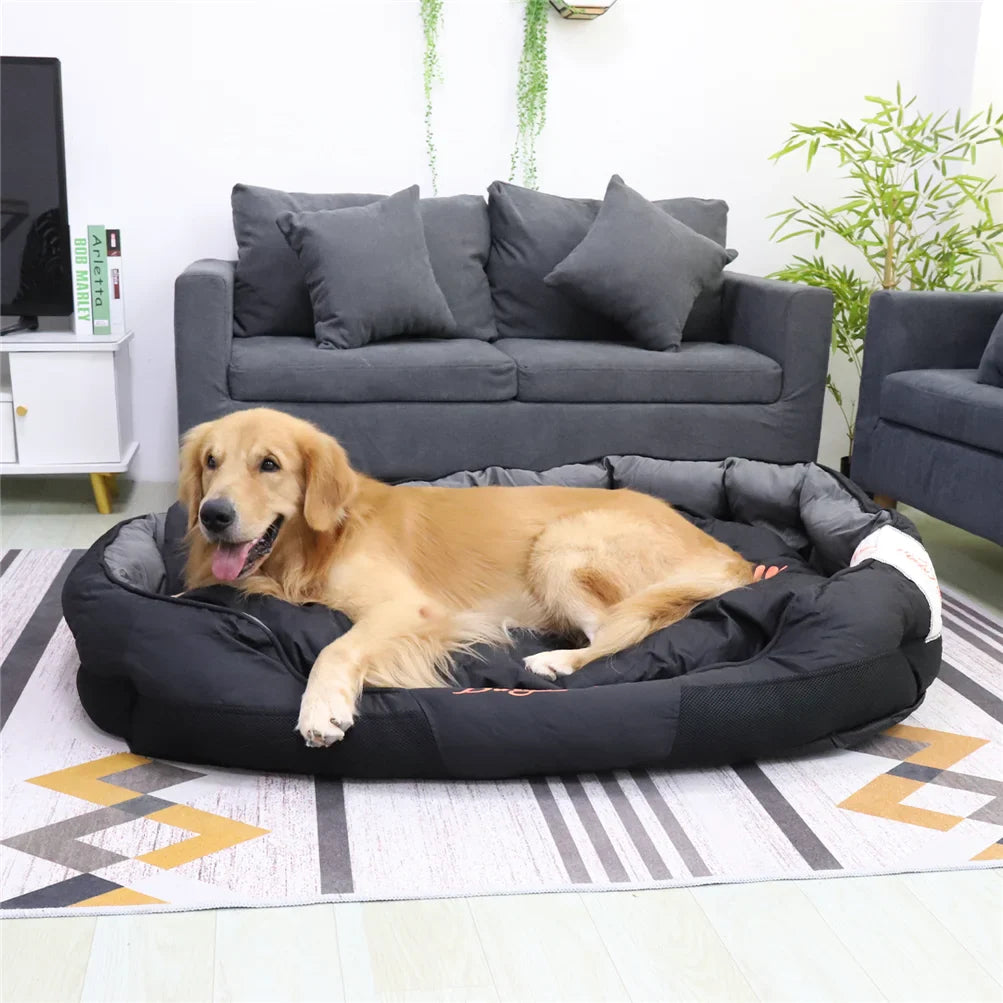
Our all-season calming dog bed with removable Oxford cover works well as the base layer within a crate or den setup, providing consistent, washable bedding that the dog associates with comfort during normal days and can retreat to during stressful ones.
For cats, the preparation is slightly different. Cats tend to choose their own hiding spots, and trying to redirect them to a space they would not naturally use is often unsuccessful. Instead, identify where your cat already goes when they feel unsettled, and make that space more comfortable in advance. Ensure it is accessible to them during the event and cannot accidentally be closed off.
Environmental Management on the Night
Once a noise event begins, the focus shifts to managing the immediate environment as effectively as possible.
Keep Pets Indoors and Secure
This sounds obvious, but it is worth stating clearly. Dogs and cats can behave in ways during a noise event that they would not normally consider. Gates that are usually reliable can be tested, doors that are always closed can be pushed, and animals that would normally never attempt to escape can make the attempt when frightened.
Before a known fireworks event, do a security check of your outdoor space and ensure all potential exit points are properly secured. Bring outdoor cats inside before it gets dark. Keep dogs on the lead for any outdoor toilet trips even if they are normally trustworthy off-lead, as a sudden loud noise can trigger a flight response in a dog that would ordinarily be calm.
Ensure your pet's microchip details are up to date before the fireworks season. This is a sensible precaution in case a pet does manage to get out despite precautions.
Reduce Sound and Light Exposure
Closing windows, curtains, and doors reduces the volume of external noise and blocks visual flashes. White noise, classical music at a moderate volume, or the television can help mask the sound of fireworks without creating an additional stressor. Several organisations including the Dogs Trust have produced specifically designed sound tracks for noise anxiety in dogs, which are available online.
Avoid leaving pets alone during the event if possible. Your calm presence, without fussing excessively over the pet's anxiety, can help. Over-reassuring a visibly distressed pet can inadvertently reinforce the anxious response, but calm, grounded behaviour from the owner provides context that the environment is manageable.
Let Pets Find Their Own Comfort
Do not try to move a cat that has retreated somewhere safe, or pull a dog out of a hiding spot they have chosen. These are coping behaviours. Interrupting them adds stress rather than reducing it. Provide access to water in a quiet location, and let the animal guide how much proximity they want with you.
Products and Approaches That Can Support Anxiety
Several approaches have evidence supporting their use in noise anxiety management, though none of them work for every animal, and severe anxiety warrants veterinary guidance.
Pheromone Products
Synthetic pheromone products are available for both dogs (DAP, or Dog Appeasing Pheromone) and cats (Feliway). These are available as plug-in diffusers, sprays, and collars. They work by mimicking naturally occurring calming signals and can reduce anxiety responses in some animals.
Follow the product instructions and discuss suitability with your vet. If a product is used for a predictable event, introduce it in advance rather than expecting an immediate effect during peak fear.
Anxiety Wraps
Pressure wraps such as Thundershirts apply gentle, consistent pressure across the dog's body. Some dogs respond positively to this, though responses vary and they are not effective for all animals. If using one, introduce it before the event so it is not associated exclusively with stressful situations.
Sound Desensitisation
Gradual exposure to recorded firework and thunder sounds at very low volume, slowly increased over weeks, can reduce sensitivity in some dogs. This is a longer-term approach that requires consistency and ideally guidance from a qualified behaviourist for dogs with significant anxiety. It is not something to begin close to a known fireworks event.
Veterinary Support for Severe Anxiety
For dogs and cats with severe noise phobia, where the anxiety is significantly affecting welfare or the animal cannot be settled through environmental management alone, speaking to a vet is the appropriate step. Options a vet may discuss include prescription medication for use during specific events, referral to a clinical animal behaviourist, or other interventions appropriate to the individual animal.
This conversation should happen before the fireworks season, not during it. Contacting a vet when fireworks are already going off outside significantly limits the options available.
The Crate as a Long-Term Calm Space
One of the most useful things an owner can do for a dog with noise anxiety is to establish a crate as a genuinely positive, comfortable space long before any stressful event occurs. A dog that chooses to go to their crate during normal days because it is where they feel safe and comfortable is a dog that has a reliable retreat when they need one most.
This does not happen overnight. It comes from gradual, positive crate introduction, appropriate sizing, comfortable bedding, and consistent use as part of the daily routine.
Our guide on building a genuinely positive association with a dog's crate space covers this process in practical detail and is worth reading well ahead of fireworks season if your dog currently has a mixed or negative relationship with their crate.
For dogs that are already crate trained and use their crate confidently, our article on practical nighttime crate use for a more settled overnight experience includes useful guidance on how to support calm behaviour in an enclosed space, which transfers directly to managing noise anxiety situations.
Our dog crates and kennels range includes options in different sizes and materials, from wire crates that can be covered to create a den effect to furniture-style wooden crates that integrate into home environments naturally. Finding the right fit for your dog's size and your home's layout is part of making the crate a space the dog wants to use.
For owners whose dogs become particularly distressed during storms or fireworks and who are navigating crate training alongside anxiety management, our article on helping rescue dogs adjust to structured spaces and crate use covers the sensitive introduction process for animals that may have more complex histories and stress responses.
Cats and Noise Anxiety: A Slightly Different Approach
Cats are often assumed to handle noise better than dogs, but many cats experience significant distress during fireworks and storms. The difference is that cats tend to express it less visibly, retreating rather than vocalising, which can make it easier to miss.
The priority for cats during noise events is access to their chosen hiding spaces, security within the home, and minimal interference with their coping behaviour. Litter trays should be placed in a quiet location away from windows during the event, as a cat that needs to toilet but is too frightened to cross an open space to reach the tray is in an uncomfortable position.
Keeping a cat's sleeping area consistently comfortable and familiar gives them a reliable retreat point. Our wooden solid cat cave bed with cushion pad provides an enclosed, den-like sleeping space that many cats find naturally calming, and which can serve as a retreat point during noise events without any additional setup required.
For homes with both dogs and cats managing noise anxiety at the same time, ensuring each animal has their own clearly defined, inaccessible-to-the-other retreat space is important. A stressed dog and a stressed cat sharing a small space without separation is a situation that can escalate quickly.
Thinking About Travel and Noise Events Together
For some households, fireworks events coincide with travel, whether that is visiting family over the autumn and winter period or returning home after a late-night event. Managing a noise-anxious pet in a vehicle adds another layer of complexity to an already challenging situation.
For dogs that travel in car seats or on back seat covers, familiar bedding in the travel space and a calm, direct journey home rather than waiting out the noise in a car park is usually the better approach.
Our waterproof dog car seat cover with mesh window ventilation provides a consistent, defined travel space that some dogs find more settling than an open back seat during stressful conditions, particularly when combined with familiar bedding carried from home.
For broader travel preparation with a noise-anxious dog, our dog car seats and travel products collection includes options suited to different vehicle sizes and dog breeds, making it easier to create a consistent, familiar travel environment regardless of where the journey takes you.

Speak to the Paw Comfort Team
If you have questions about which products best support a noise-anxious dog or cat at home, or you want advice on setting up a safe resting area or crate for the fireworks season, we are here to help.
Frequently Asked Questions
What can I prepare before fireworks begin?
Arrange a familiar optional retreat, close curtains and keep identification details current. Plan outdoor toilet trips before the disturbance where practical.
Should I force a frightened pet to stay in a crate?
Do not force confinement if it increases fear. Let the pet use a familiar safe resting area and seek veterinary advice about severe or recurring distress.