

How to Keep a Dog Happy Inside a Playpen
Short Answer
Keep a dog comfortable in a playpen with short sessions, safe rotating enrichment, scatter feeding, simple training and enough rest. Enrichment should match the individual dog and be supervised before being left in the pen; persistent escape attempts or distress mean the setup or duration needs changing.
Key Takeaways
- A pen provides managed space but does not replace exercise, toileting or social contact.
- Choose size, height, spacing and materials for the individual dog.
- Introduce the pen gradually and reward calm voluntary use.
- Inspect flooring, joins, latches and nearby hazards before every use.
- Repeated escape attempts or panic require a change of plan, not stronger punishment.
Quick Decision Checklist
| Check | What to look for |
|---|---|
| Purpose | A clear welfare-led use rather than punishment or convenience |
| Fit and setup | Enough room, safe materials, ventilation and a stable location |
| Behaviour | Loose body language, voluntary approach and normal eating |
| Daily needs | Water, toileting, movement, rest and social contact remain available |
| Warning signs | Pain, panic, repeated escape attempts or sudden behaviour change |
Key Takeaways
- Mental stimulation is essential when dogs spend time inside a playpen.
- Rotating enrichment items prevents boredom and frustration.
- The right playpen setup supports calm behaviour rather than restlessness.
- Comfort, structure and routine work together to keep dogs engaged.
- At Paw Comfort, we design solutions that prioritise safety, comfort and wellbeing in every home.
A dog playpen is a valuable tool for structure, safety and training. However, structure alone is not enough. Dogs are intelligent, curious animals. Without engagement, even the most secure playpen can feel dull.
In this guide, we explore practical and realistic ways to keep dogs entertained inside a playpen while maintaining safety and routine.
Start With the Right Environment
Before thinking about toys, begin with the foundation. A cramped or unstable pen will never feel inviting.
Our indoor dog pen collection includes adaptable designs that work well in living rooms, kitchens and home offices.
For example, theview this clear acrylic dog whelping pen & pet playpen with waterproof option in more detail provides visibility and containment while maintaining a clean, organised setup.
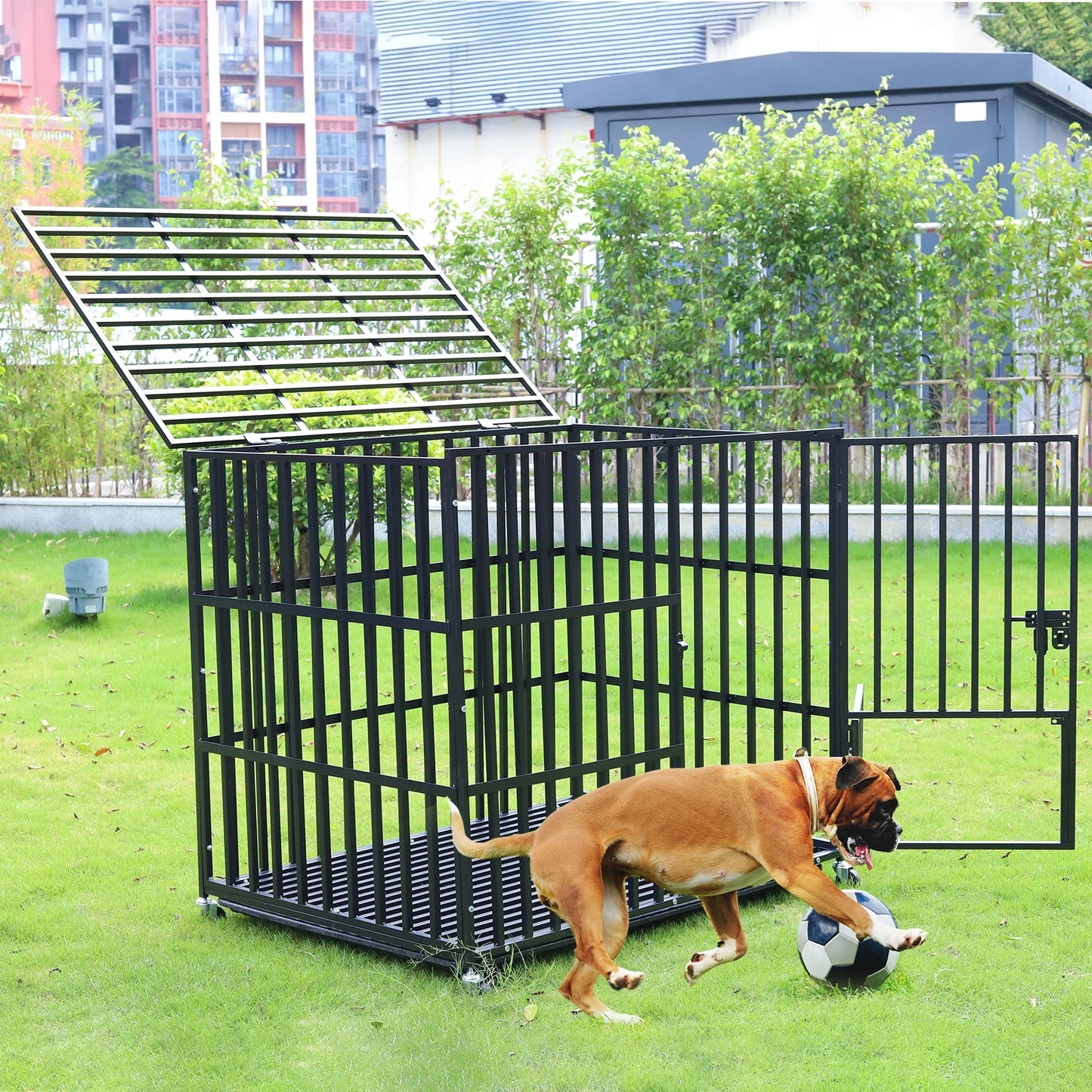
A well-sized and well-placed playpen encourages relaxation. If you are unsure about layout and materials, our in-depth comparison of different pen types can help you assess what suits your home best:
our in-depth comparison of different pen types
Understanding the purpose of each structure helps you create a more engaging space.
1. Rotate Enrichment Items
Leaving the same toys inside the pen every day often leads to boredom.
Instead:
- Offer two or three items at a time
- Rotate every few days
- Reintroduce older toys later
Dogs often show renewed interest when something feels “new” again, even if it is familiar.
Avoid overcrowding the space. The playpen should remain open enough for movement and rest.
2. Introduce Problem-Solving Activities
Mental stimulation can be more tiring than physical exercise.
Safe enrichment options include:
- Treat-dispensing toys
- Frozen enrichment feeders
- Supervised scent-based games
These encourage natural foraging behaviour and can extend engagement significantly.
However, always monitor new enrichment tools to ensure they are safe and appropriate for your dog’s size and chewing strength.
3. Make Comfort a Priority
Comfort is often overlooked when discussing entertainment. A dog that cannot relax will struggle to engage calmly.
Our dog bed range includes supportive options designed for use inside crates and pens.
Theview this large dog sofa bed option in more detail offers elevated comfort that fits well within structured spaces while maintaining a tidy appearance in UK homes.
A supportive resting area allows your dog to shift naturally between activity and relaxation.
4. Use Short Training Sessions
A playpen can double as a calm training area.
Short sessions inside the pen can include:
- Sit and stay
- Hand targeting
- Name recall practice
- Calm settle training
Five focused minutes can provide more stimulation than extended toy access.
If your dog becomes vocal or unsettled during structured time, our guidance on helping dogs adjust to confinement can provide helpful behavioural context:
guidance on helping dogs adjust to confinement
Although written about crate use, the emotional principles apply equally to playpens.
5. Manage Energy Before Pen Time
A common mistake is placing a dog in a playpen before they have expended energy.
Before longer pen sessions:
- Take your dog for a suitable walk
- Engage in short play sessions
- Provide brief training activities
A dog with unmet energy needs is unlikely to settle, regardless of how many toys are available.
If you are unsure about balancing confinement and independence, our article discussing whether dogs should be confined when left alone explores that balance in more depth:
our article discussing whether dogs should be confined when left alone
Structure must align with routine.
6. Add Safe Sensory Variation
Dogs explore through scent and texture.
You can introduce:
- A blanket carrying your scent
- Safe textured mats
- Subtle scent-based enrichment games
Avoid loud audio or overstimulating elements, especially in shared UK housing where noise can disturb neighbours.
Calm, controlled enrichment is more effective than constant stimulation.
7. Avoid Overstimulation
It is possible to overcompensate by filling the pen with too many distractions.
Signs of overstimulation include:
- Restless pacing
- Ignoring toys
- Excessive barking

Sometimes, the most beneficial “entertainment” is structured rest. Our practical advice on creating a peaceful night-time environment in confined spaces may offer useful ideas for encouraging calm behaviour:
practical advice on creating a peaceful night-time environment in confined spaces
Although written for crate use, the calming techniques apply to playpens as well.
8. Keep Sessions Gradual and Positive
If your dog is new to a playpen, introduce it gradually.
- Begin with short durations
- Reward calm behaviour
- Increase time slowly
For dogs transitioning between crate and playpen use, our guidance on reducing reliance on structured confinement can help maintain confidence:
our guidance on reducing reliance on structured confinement
The aim is not permanent confinement but structured independence.
Common Mistakes to Avoid
We frequently see:
- Using the playpen only when frustrated
- Leaving dogs without prior exercise
- Ignoring signs of anxiety
- Providing unsafe or inappropriate toys
A playpen should feel like a secure retreat, not a punishment.
Final Thoughts
Keeping dogs entertained inside a playpen is about balance. Mental stimulation, physical comfort and structured routine all play a role.
With the right setup and consistent approach, a playpen becomes a calm and enriching environment rather than a restrictive one.
If you would like personalised advice on choosing the right playpen, bedding or confinement solution for your dog, please contact us here:
https://pawcomfort.co.uk/pages/contact
We are always happy to help you build a secure and engaging environment for your pet.
Final Verdict
Keep a dog comfortable in a playpen with short sessions, safe rotating enrichment, scatter feeding, simple training and enough rest. Enrichment should match the individual dog and be supervised before being left in the pen; persistent escape attempts or distress mean the setup or duration needs changing.
FAQ
What should you know about key takeaways mental stimulation is essential when dogs spend time inside a playpen. rotating enrichment items prevents boredom and frustration. the right playpen setup supports calm behaviour rather than restlessness. comfort, structure and routine work together to keep dogs engaged. at paw comfort , we design solutions that prioritise safety, comfort and wellbeing in every home. a dog playpen is a valuable tool for structure, safety and training. however, structure alone is not enough. dogs are intelligent, curious animals. without engagement, even the most secure playpen can feel dull. in this guide, we explore practical and realistic ways to keep dogs entertained inside a playpen while maintaining safety and routine. start with the right environment?
Before thinking about toys, begin with the foundation. A cramped or unstable pen will never feel inviting.
What should you know about 1. rotate enrichment items?
Leaving the same toys inside the pen every day often leads to boredom.
What should you know about 2. introduce problem-solving activities?
Mental stimulation can be more tiring than physical exercise.
What should you know about 3. make comfort a priority?
Comfort is often overlooked when discussing entertainment. A dog that cannot relax will struggle to engage calmly.
What should you know about 4. use short training sessions?
A playpen can double as a calm training area.
What should you know about 5. manage energy before pen time?
A common mistake is placing a dog in a playpen before they have expended energy.